
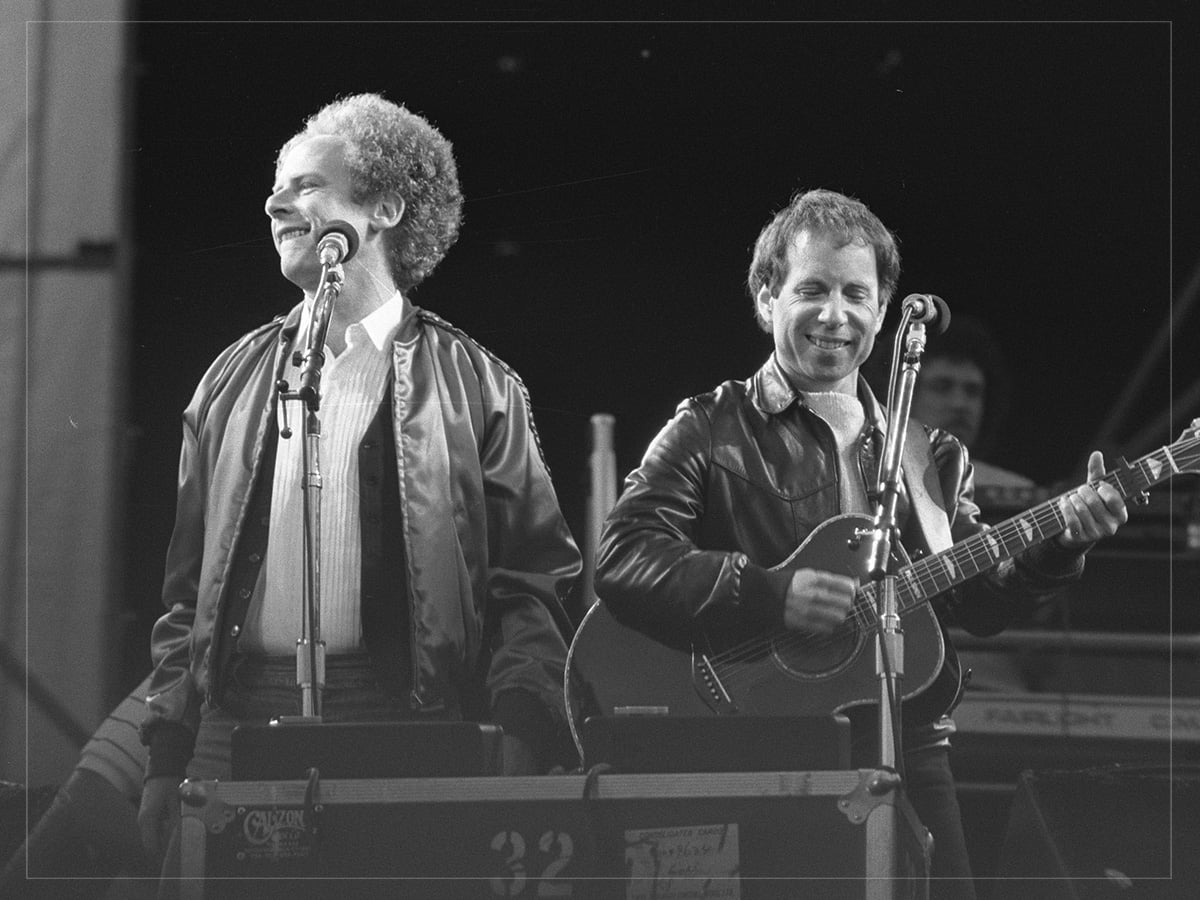
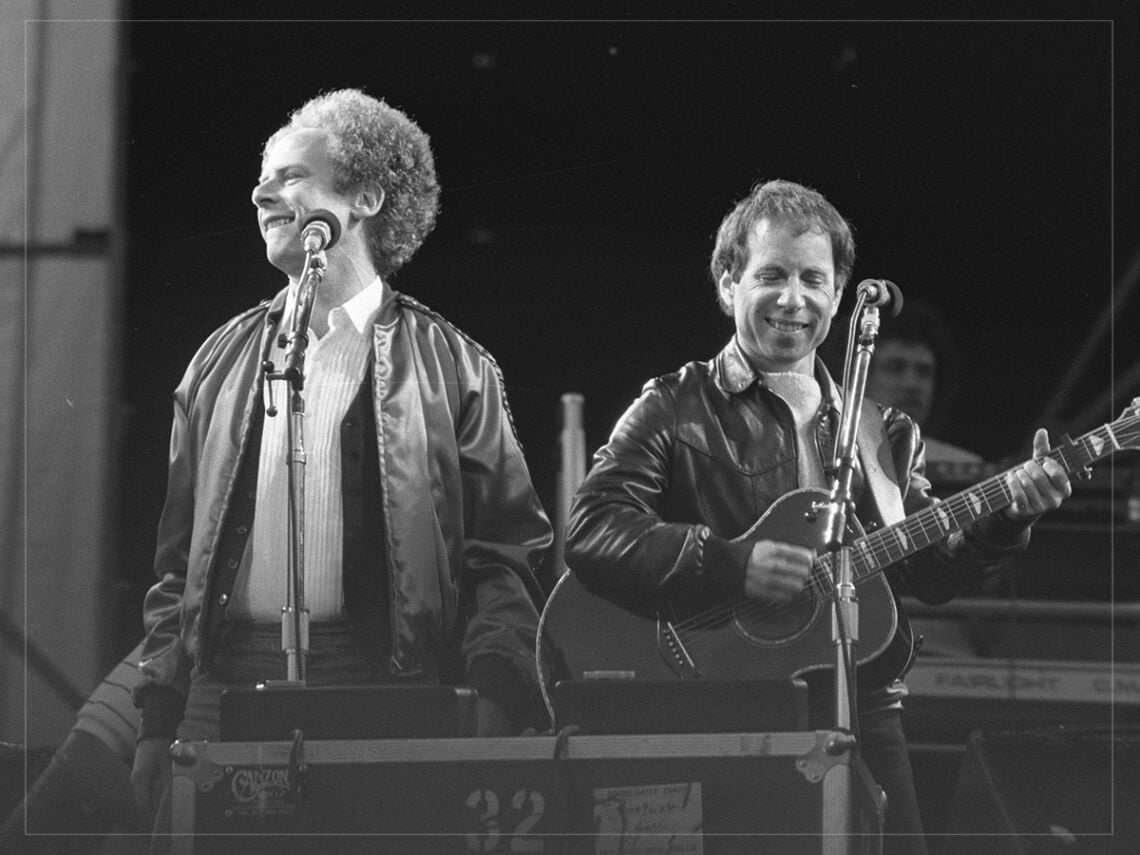
(Credits: Far Out / Rob Bogaerts / Anefo)
Tue 10 March 2026 14:28, UK
For a large chunk of the 20th century, it was almost unheard of that a song you were singing had actually been written by you as well. Songwriters and singers usually operated in different fields, but as the world career toward the mid-century boom of creativity, everything changed, and artists like Paul Simon could flourish.
Whether it was a purely financial decision, only paying one person out of the record sales was easier than paying two, or that it felt more authentic for a singer to be the writer of the song too, by the 1960s, the singer-songwriter explosion had taken full effect. While some singers may have found themselves out of pocket, the by-product was that music took on a far more personal tone.
Even as songwriters began to gain enough courage to sing down the mic, they would pad out their sets wth tunes that were written for the charts, for the dancefloor or just generally to make other people happy. But as time passed, the need for confessional songwriting grew, and songs became more and more autobiographical.
Some songs are way too close to the chest for people to start bringing them into their band. It might be fun trying to peel back the layers of a certain tune and see which parts stick out and what can be left on the cutting room floor, but if someone has personally attached themselves to a particular piece of music or one cutting line, it’s almost impossible trying to reason with them in terms of which songs to omit.
Although Paul Simon could normally distance himself from the music he was making, one album was so personal that it broke up the chances of a Simon and Garfunkel reunion before they even got started.
 (Credits: Far Out / Legacy Recordings)
Because when dealing with a duo, it’s almost harder than looking at music within a band context. Sure, it’s hard having to be a democracy amongst four or five different musicians, but when it’s only two people, it’s a different beast because there will always be some compromises that people aren’t going to be 100% happy with.
And since Simon was the one tasked with writing everything, many of the best songs tended to be more universal than others. Just look at a tune like ‘The Sound of Silence’. It may have been a thinkpiece from a kid in his 20s trying to figure out life, but the minute that it was recorded, everyone started to project their own personal experiences in the darkness onto whatever Simon had in mind.
That’s not as easy regarding matters like divorce, though. Right as Simon was starting to warm up to the idea of working with Art Garfunkel again for a tour, he was also going through his separation from Carrie Fisher. No one can keep that creativity stifled for that long, so many of the tunes that Simon had been woodshedding for what would have been a comeback album would have never worked in his mind.
And it’s not hard to see why, either. Simon always kept personal matters for his solo career, and since he and Garfunkel already had their personal problems, he probably didn’t need his version of Rumours happening simultaneously. If anything, Simon could have returned to his solo career and made his equivalent of Bob Dylan’s Blood on the Tracks, but that meant any chances of the folk-rock duo cutting an album would have been impossible.
Although they did get together for a tour in 1983, Simon later said that any chance for an album together was scrapped because of how close to the bone a lot of the tunes were, saying, “These new songs are too much about my life – about Carrie [Fisher] – to have anybody else sing them.”
When Simon eventually got around to making the album Hearts and Bones, he didn’t hold back when it came to his personal problems. Both versions of ‘Think Too Much’ are like hearing the same tune from completely different sides of the emotional spectrum, and even when he steps back from writing exclusively about his breakup, ‘The Late Great Johnny Ace’ is one of the most cleverly-worded tributes to John Lennon that anyone had made at the time.
Then again, hearing Simon work on Graceland seemed like the exact opposite of what he was going to do with any album associated with his emotional problems. After airing out his grievances about his failed marriage and everything else cluttering his mind at the time, he somehow found a way to reverse his process and write the lyrical bed and make something completely new on the musical front.