
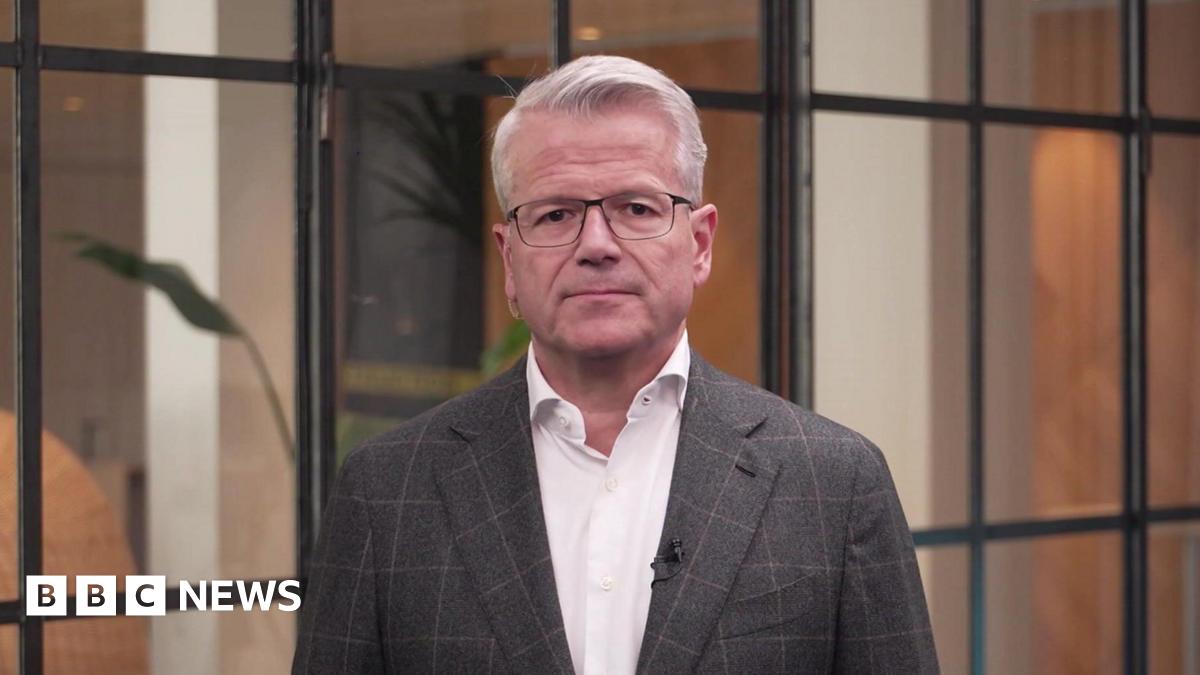
He called on the US, Israel and Iran to come to “some kind of deal” to restore global trade routes in the Middle East, saying that would be a better option than escorts from western navies to reopen the waterways.
The war between Iran and Israel and the US has brought two vital shipping routes to an almost complete standstill and caused widespread disruption to the global economy.
At the same time, the world’s biggest shipping lines are also avoiding passage through the Red Sea because of the security threats.
Clerc said: “Ultimately we need to get back to something where freedom of navigation and peaceful navigation is restored.”
The higher cost of longer voyages around the Cape of Good Hope and higher oil prices means that shipping is becoming more expensive, adding to upward inflationary pressures, he added.
“The main concern is the safety of our crews, is the safety of our assets,” Clerc said.
He said that as long as the significant threat of drone strikes remains, with no guarantee of a truce between the two sides, “it is very hard for us to put our colleagues and our ships in harm’s way”.
According to the UN’s International Maritime Organization (IMO) at least seven seafarers have been killed in the Strait of Hormuz since the conflict began, with several others injured.
In a speech to an IMO committee on Monday, secretary general Arsenio Dominguez said: “These seafarers are simply carrying out their duties and performing an essential service to the global community, ensuring the continued flow of goods and energy, and they must be protected from the consequences of broader geopolitical tensions.”
Iranian government spokesperson Fatemeh Mohajerani justified the blockade by saying the country needed to maximise “all resources”, including the Strait of Hormuz, whilst in a state of war.
Before the conflict, around a fifth of global oil supplies travelled through the Strait of Hormuz which is effectively closed because of Iran’s threats to target shipping.