
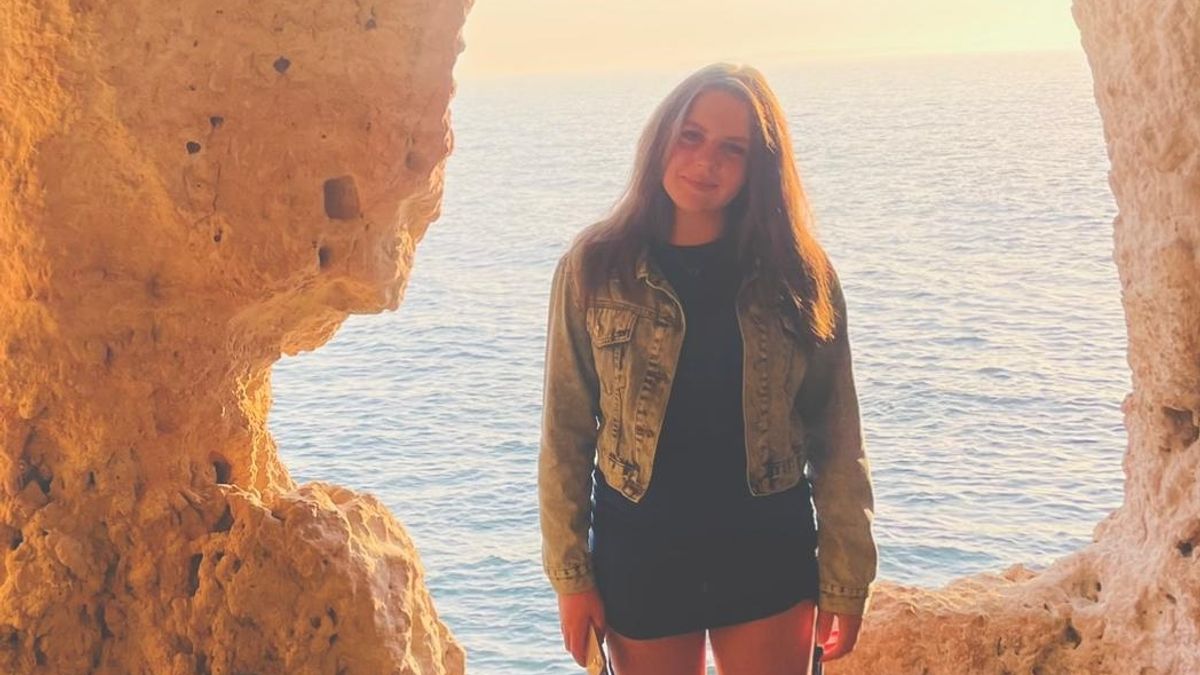
Maisie Almond tragically died on October 2, 2024, shortly after being diagnosed with acute liver failure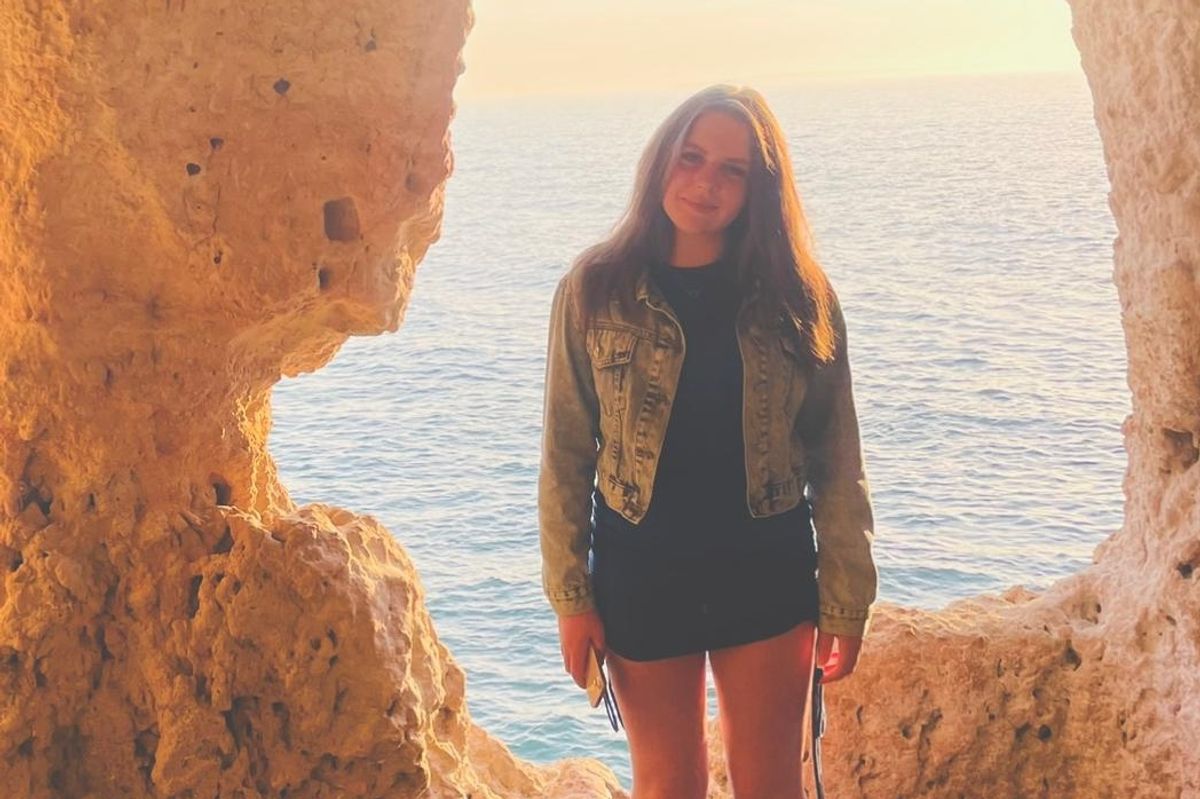
Maisie Almond died in October 2024 after being diagnosed with acute liver failure(Image: MEN Media)
Doctors could not find any ‘underlying cause’ of acute liver failure that led to the death of a healthy 14-year-old teenager from Tameside, an inquest heard.
Maisie Almond, from Stalybridge, Tameside, died on October 2, 2024, shortly after being diagnosed with acute liver failure. An inquest took place at the end of February at Stockport Coroners’ Court, at which Coroner Adrian Farrow was told Maisie was smiley, confident and a ‘joy to be around’.
Prior to her short illness, the 14-year-old Manchester City fan and ‘model pupil’ at All Saints Catholic College in Dukinfield had been ‘fit and healthy’ and had ‘no history of underlying health issues’, Stockport Coroner’s Court was told. But 17 days before her death, on September 15, she suddenly became unwell.
Get MEN Premium now for just £1 HERE – or get involved in our WhatsApp group by clicking HERE. And don’t miss out on our brilliant selection of newsletters HERE.
Maisie, who worked two part-time jobs alongside her studies, arrived home from work complaining of feeling sick. Her parents took her to Tameside General Hospital after her eyes turned what her mum said was an ‘indescribable shade of yellow.’ Medics then discovered her stomach had also turned yellow.
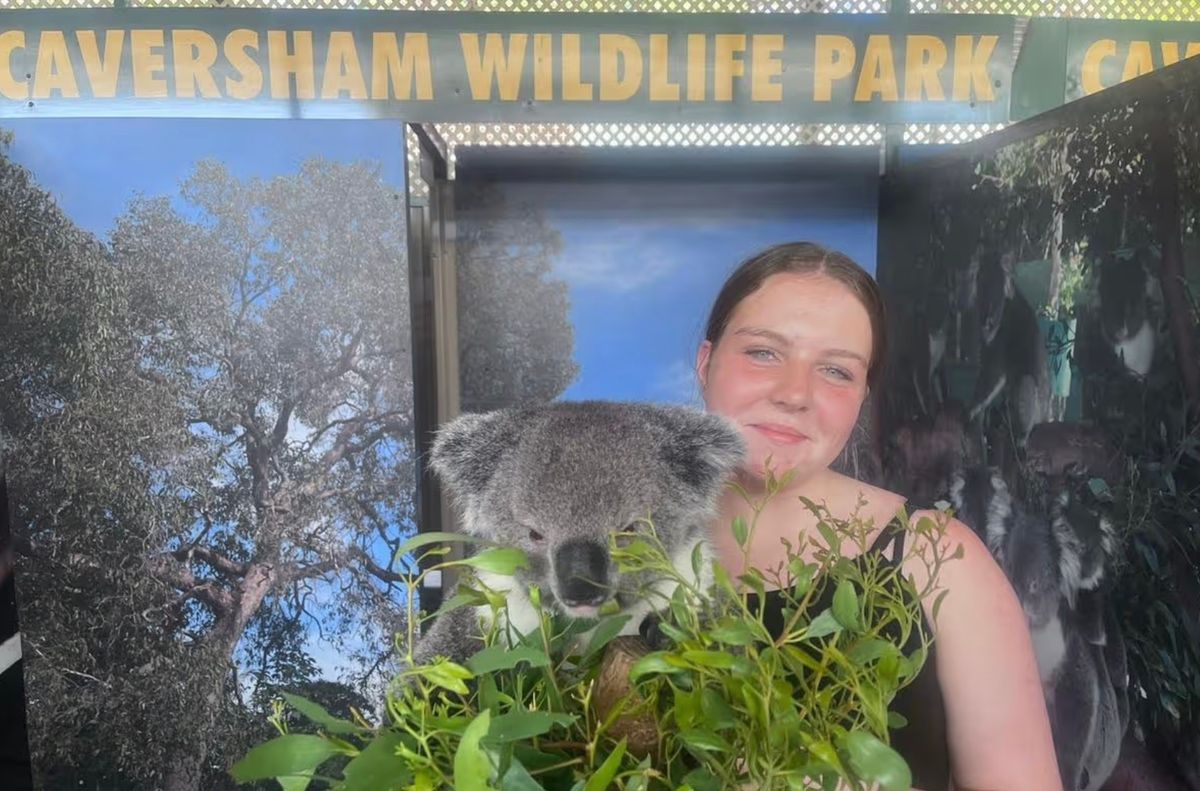
Maisie’s parents shared that the teen had plans to become an accountant and go travelling(Image: Men Media)
While being investigated for various conditions, Maisie was admitted to hospital on three separate occasions, and her condition continued to worsen. She was transferred to the specialist Liver Centre in Leeds on September 26 and was listed for a transplant the following day.
But a suitable donor did not become available until October 1, by which time she had developed cerebral oedema – the medical term for swelling of the brain – and other organ damage which ‘made the prospects of her survival so low that the transplant did not take place’ the inquest was told.
Although Maisie was taken to theatre, doctors found her body wasn’t responding to treatment and the transplant was no longer deemed viable. She died the following day in hospital.
Despite ‘exhaustive investigations’ across Tameside General Hospital and the specialist Liver Centre in Leeds, ‘no underlying cause’ could be found for Maisie’s acute liver failure which led to her death, the Record of Inquest states.
The coroner concluded that Maisie died from the effects of a ‘rare form of acute liver failure before a suitable donor liver could be found for priority transplantation’.
Following the hearing, Mr Farrow wrote what is known as a Prevention of Future Deaths report. These are documents in which coroners in England and Wales alert organisations to issues where they believe action should be taken to prevent future tragedies.
In his report, which has now been made public, Mr Farrow has raised a concern over a ‘national shortage’ of liver donors and policies which it is claimed have ‘narrowed the pool’ of suitable donors.
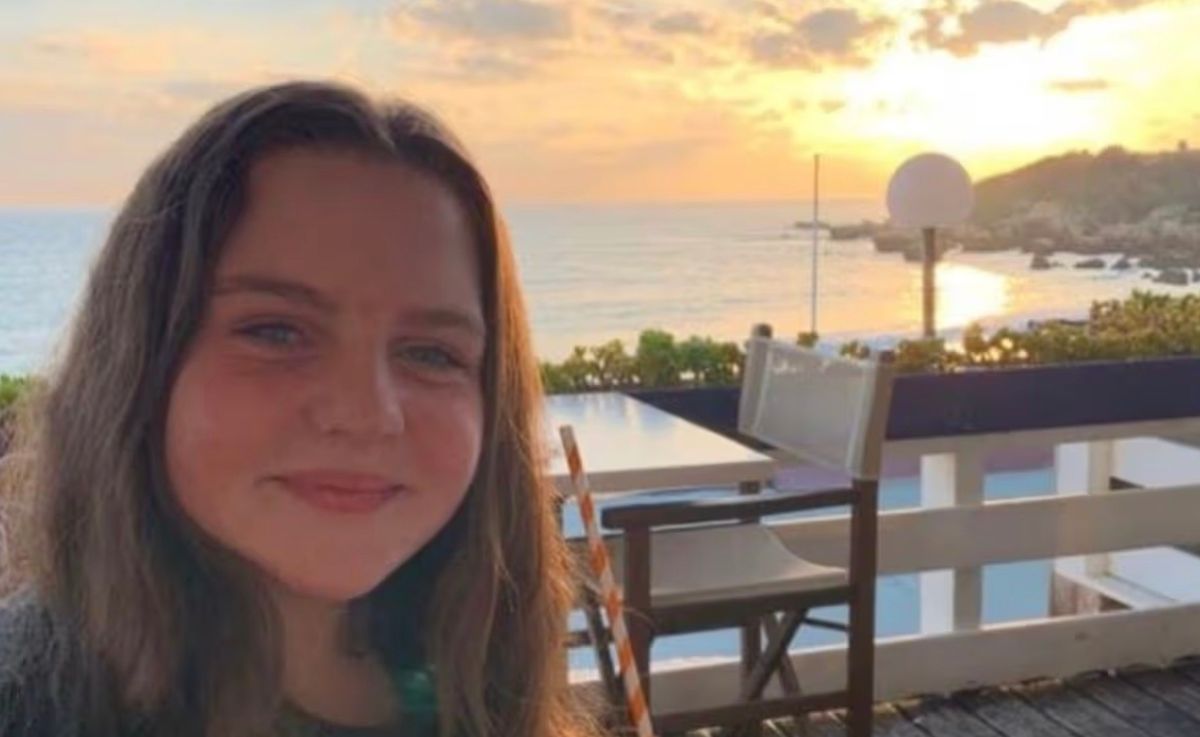
Doctors could not find an ‘underlying cause’ of the acute liver failure which led to Maisie’s death(Image: Men Media)
The coroner said: “During the inquest, I heard evidence from a consultant paediatric hepatologist that there is a national shortage of donor livers generally and particularly for children in the ‘super urgent’ category.
“The clinical guidance not to utilise cardiac death donor livers in such cases due to the poor historical outcomes has narrowed the pool of suitable donor livers to those arising from brain deaths. Altruistic living liver donations are generally not available for super urgent cases.
“The evidence I received was that the number of donor livers has reduced by a third and the effect is that whereas, historically, a donor liver could be expected to be made available within 48 hours, the wait has now extended to up to a week. That delay gives rise to a clear risk that lives will be lost due to the unavailability of suitable donor organs.”
“In my opinion there is a risk that future deaths could occur unless action is taken” he added in the report, which is addressed to the Department of Health and Social Care (DHSC) and the NHS Blood and Transplant Service.
An NHS Blood and Transplant spokesperson told the Manchester Evening News: “It’s tragic that Maisie could not receive a lifesaving transplant in time and our thoughts are with her family. Sadly, hundreds of people die waiting for a transplant every year while thousands of potentially lifesaving organs are not donated. More lives would be saved if more people donated.
“There is also a national challenge in how many people are healthy enough to donate. The potential donor pool is changing, as the population ages and people’s lifestyles change. The total number of donor livers has dropped by around 12% since the COVID pandemic.
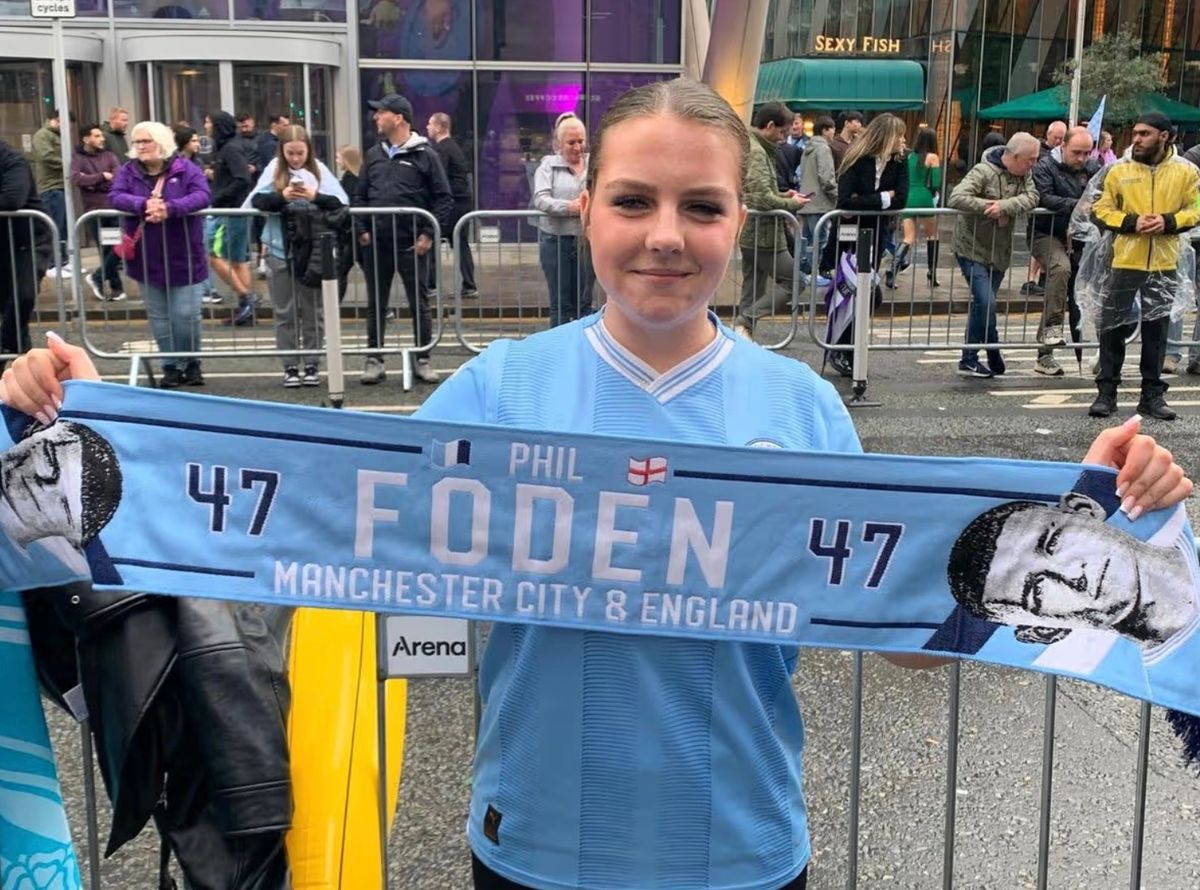
Maisie, from Tameside, was a Manchester City fan(Image: Men Media)
“And fewer people can donate following the confirmation of death through brain stem death testing. More people become donors following the confirmation of death from circulatory death. This has more impact on paediatric liver patients, as the rely more on donors where death has been confirmed through brain stem death testing.
“We’re working with partners to maintain or increase donation. We are also trying to increase organ utilisation and the number of transplants through increasing the number of split liver transplants, increasing the use of new technology such as perfusion to keep livers healthy enough for transplant, and improving access to living liver donation.
“People on the super urgent list are given national priority for transplants. The national waiting time for super urgent paediatric liver transplants is comparable to pre-pandemic. Over 2022 to 2024, the median waiting time was four days. From 2018-2019 it was four days.
“Not enough people support donation for everyone who needs a transplant to receive one. You can help. Please confirm you want to save lives through organ donation at www.organdonation.nhs.uk.”
The Manchester Evening News has also approached the DHSC for comment.
Following her death, Maisie’s parents Kathryn and Stuart said their daughter, who dreamed of becoming an accountant and had plans to backpack around the world with her friends, was ‘happy and smiling all the time.’
They vowed to ”keep her memory alive’ and ‘keep her light shining’ and began fundraising and raising important awareness around blood and organ donation.