
(Credits: Far Out / Alamy)
Tue 10 March 2026 15:00, UK
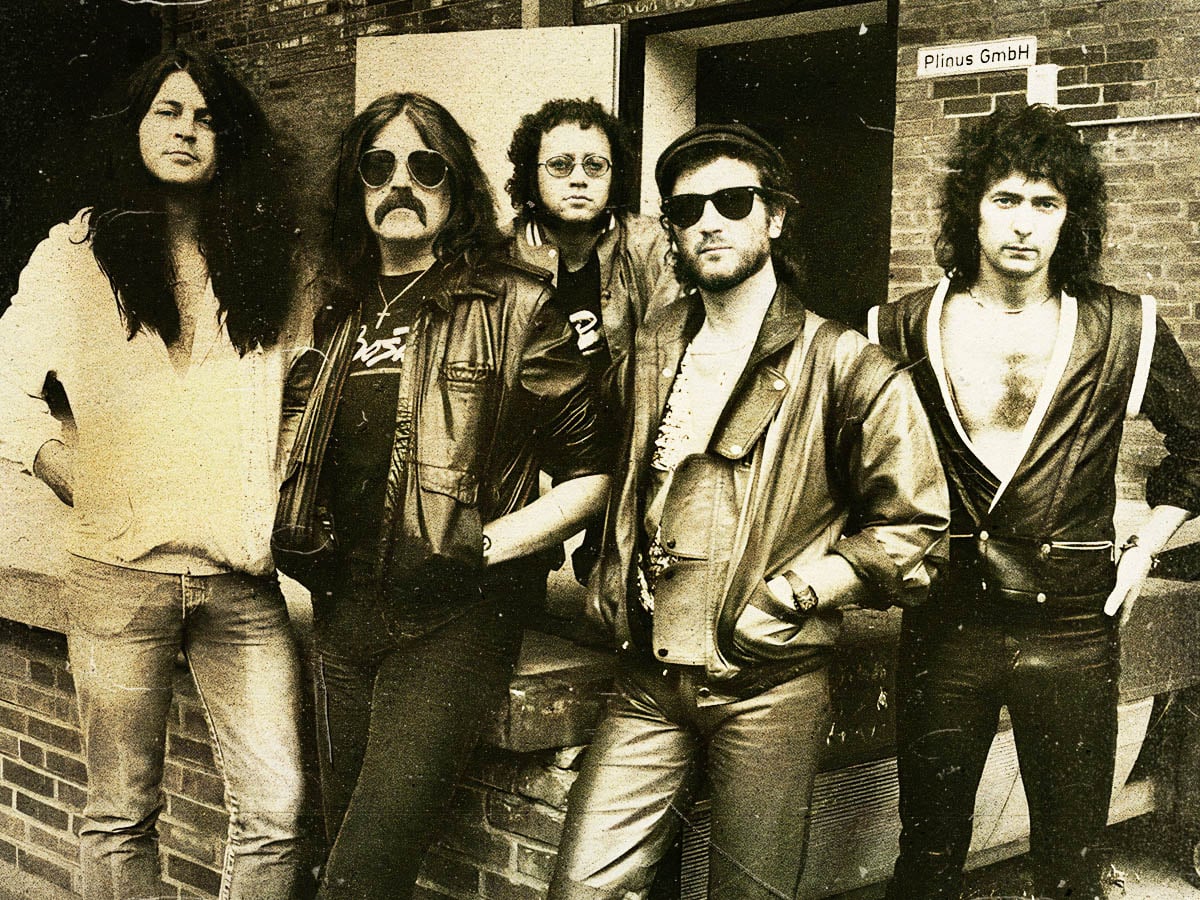
By summer 1972, Deep Purple were at the peak of their powers.
Having soldiered through their Mk II transition with frontman Ian Gillan and bassist Roger Glover’s recruitment in 1969, Deep Purple truly began to shake off their psychedelic rock roots in favour of a heavier, headier attack charged by Jon Lord’s foggy organ grooves and Ritchie Blackmore’s aggressive blues. Along with Led Zeppelin and Black Sabbath, Deep Purple would form the essential trinity of pioneers of the heavy metal explosion set to explode at the decade’s end.
Their heavy conjurings were well known across the UK and Europe, Deep Purple in Rock, Fireball, and Machine Head, all essential LPs for any self-respecting hard rock fan. Yet, over in the States, Deep Purple’s former hits like the groovier ‘Hush’ still defined the band, a perception everybody was eager to quash pronto.
It would take the immortal ‘Smoke on the Water’ dropped in May 1973 to finally grab mainstream America’s attention, but until then, it would take the band’s reluctant acquiescence to label pressure to finally cement their hard rock reputation across the Atlantic.
One thing Deep Purple always resisted was an official live album. Despite garnering a fierce reputation for their stage show, the band only ever counted low-key gig recordings for radio under their belt, always deeming such efforts to capture their on-stage power futile. “We hated the thought of live albums for a band that was so good live,” Lord admitted on VH1’s Behind the Music.
Eschewing any official live offering resulted in a slew of bootlegs, including the H Bomb LP of a 1970 show in Germany, plagued by shoddy audio, landing Richard Branson in hot legal water when Virgin Records was found to be shifting the unauthorised record in their music stores. H Bomb was selling fast, however, and the potential profits to be had soon swayed Deep Purple’s purist objections to the thorny live album.
Deep Purple had won a decent fanbase in Japan, prompting the band to schedule dates in August 1972 and perform three shows across Osaka’s Festival Hall and the Nippon Budokan in Tokyo to a swift sell-out. Dollar signs appeared in the eyes of Warner Bros Records’ Japanese arm, which pushed Deep Purple to capture the upcoming shows for a potential concert record.
An agreement was made, with stipulations. Deep Purple had to personally vet the equipment, use their own engineer, and have final word on the tapes’ release. Roping in studio pal Martin Birch to handle the eight-track recorder brought in for later mixing, the band duly allowed their three live dates to be captured, the second Osaka show making up the bulk of the material eventually used.
“We eventually heard it, and realised that we had something rather wonderful,” Lord confessed. Dropped in America on March 30th, 1973 despite the band’s insistence to remain a Japanese exclusive two months ahead of ‘Smoke on the Water’s Billboard Hot 100 rise, the Made in Japan double LP marked for many hard rock fans as Deep Purple’s finest hour, cementing their heavy stature in the music world and setting a sky-high standard that would influence the incipient new wave of British heavy metal and beyond.