
Thousands of women are missing out on support, experts claim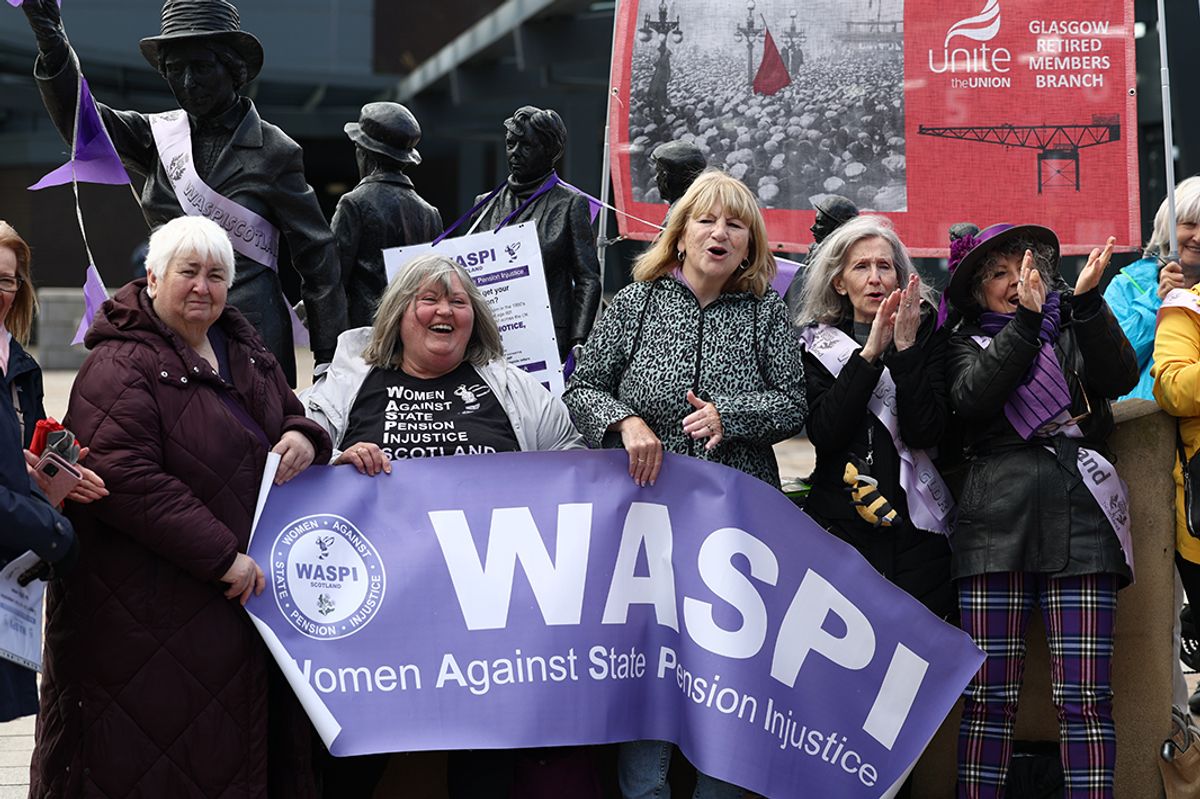
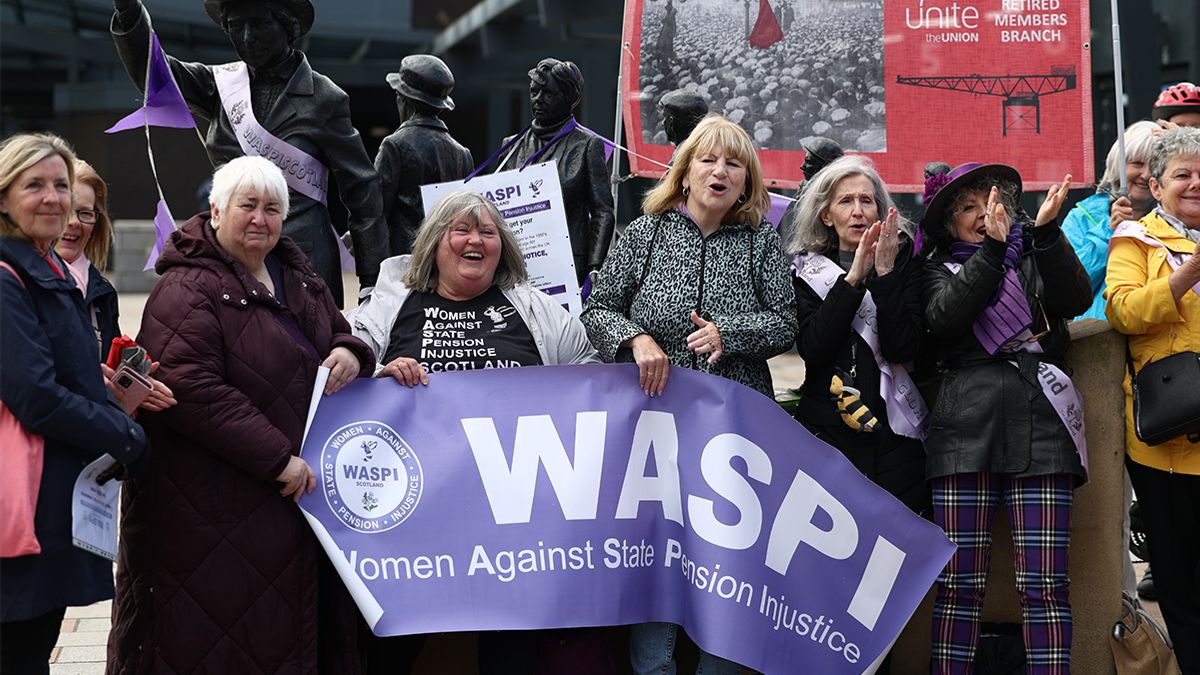
WASPI campaigners have fought for years to get DWP compensation(Image: Getty)
The WASPI dispute is a reminder of broader issues surrounding access to DWP support, benefit experts claim. Thousands of women may be missing out on other help they are entitled to.
The WASPI campaign group (Women Against State Pension Inequality) represents the cohort of women born in the 1950s who were impacted when the state pension age for women rose from 60 to 65 and then to 66. They argue the DWP failed to adequately notify them they would need to wait several more years to claim their payments, devastating their retirement plans when they found out.
The campaigners have battled for more than a decade to secure DWP compensation. Yet Labour ministers recently declared there would be no payouts.
Rebecca Lamb, external relations manager at benefits charity Money Wellness, said there’s a wider issue with people not receiving the DWP payments they deserve. She explained: “We see thousands of women approaching retirement who’re completely unaware of what they’re entitled to, and it’s not just a WASPI problem.
“Women are often worse off because of career breaks, part-time work, caring responsibilities, and divorce, which creates gaps in pensions and National Insurance.” You generally need 35 years of National Insurance contributions to receive the full new state pension, which currently stands at £230.25 per week.
State pension payments will rise 4.8 percent in April, in accordance with the triple lock. Ms Lamb highlighted a scheme that many people are unaware of.
Many don’t realise
She said: “Many don’t realise that tools like Carer’s Credit can help protect years spent caring, or that pension sharing on divorce can preserve entitlements.” Carer’s Credit can fill gaps in your National Insurance record if you provide care for someone for at least 20 hours a week.
The person you care for must be in receipt of certain benefits, such as the daily living component of PIP or Attendance Allowance. Ms Lamb warned that missing out on support can have “serious” repercussions.
She said: “Women are far more likely than men to rely on Pension Credit, with around two-thirds of claimants being women, yet an estimated 880,000 households miss out entirely. Pension Credit can add up to £3,500 for singles or £5,500 for couples and unlock help with council tax, housing, and energy bills. Missing out can mean years of unnecessary financial struggle.”
Pension Credit boosts your weekly income, with the average claim providing over £4,300 a year in assistance. Another worry regarding people’s lack of understanding of the rules is that a significant change to the state pension is imminent.
Further changes to the state pension
Ms Lamb warned: “With the state pension age rising to 67 from April 2026, and later to 68, it’s vital everyone checks their pension forecast and National Insurance record. Rules change, and assumptions based on previous generations can leave people unprepared and facing financial hardship in retirement.”
The state pension age currently stands at 66 for both men and women, with plans to gradually raise it to 67 between April 2026 and April 2028. Laws have also been put on the books to further increase the eligibility age from 67 to 68, between April 2044 and April 2046.
Ms Lamb said: “If you’re worried about how you’ll make your budget stretch, speak to free services like Money Wellness, who can help you plan ahead and check you’re not missing out on the vital support that you’re entitled to.”
Announcing the decision to reject compensation in January, work and pensions secretary Pat McFadden said: “We accept that individual letters about changes to the state pension age could have been sent earlier. For this, I want to repeat the apology that (former work and pensions secretary Ms Kendall) gave on behalf of the Government.
“And I am sorry that those letters were not sent sooner. We also agree with the (Parliamentary and Health Service) Ombudsman that women did not suffer any direct financial loss from the delay.”
He added: “The evidence, taken as a whole, including from 2007, suggests the majority of 1950s-born women would not have read and recalled the contents of an unsolicited pensions letter, even if it had been sent earlier.
“Furthermore, the evidence also suggests that those less knowledgeable about pensions, the very women who most needed to engage with a letter and where it might have made a difference, were the least likely to read it, so an earlier letter would have been unlikely to make a difference to what the majority of women knew about their own state pension age.”