
The nation’s pension savings could be used to fund political “pet projects” if new laws are approved, it has been warned.
The Pensions Scheme Bill, which is being debated in the House of Lords, would allow ministers to require certain pension schemes to invest a minimum percentage of savers’ money into UK infrastructure and private markets. There is no proposed maximum.
But while the clause aims to channel more capital into UK investment while delivering better returns for savers, it has been heavily criticised by the retirement savings industry.
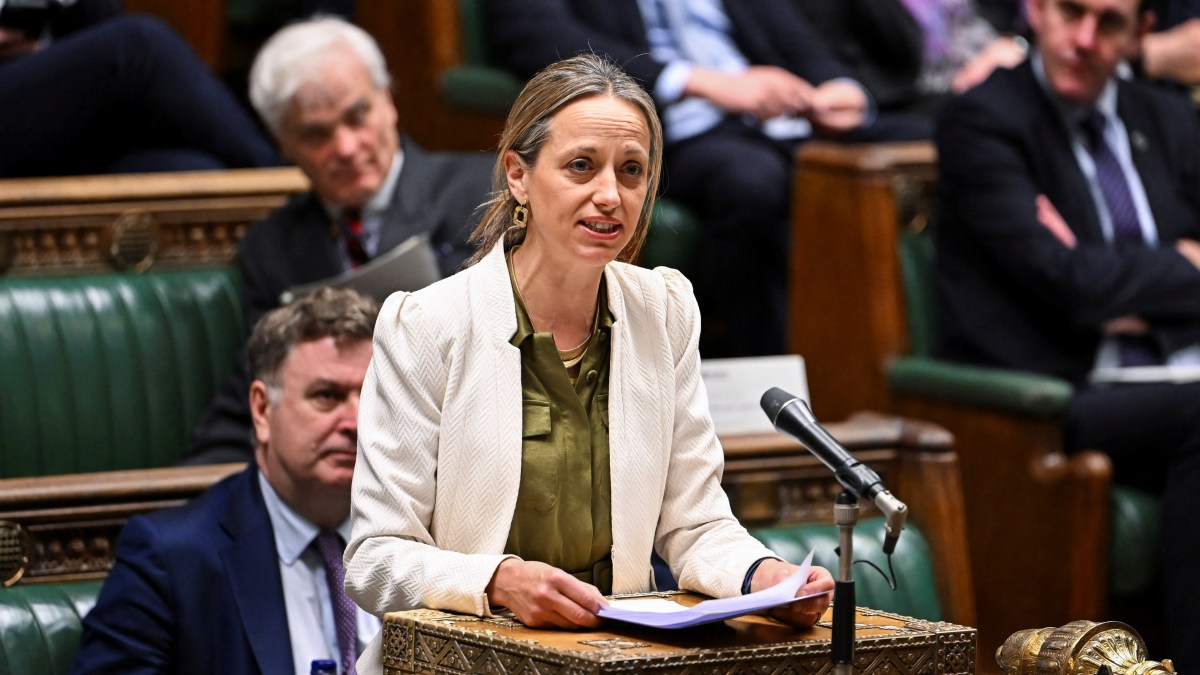
The trade bodies Pensions UK and the Association of British Insurers have called for it to be cut from the legislation. And the shadow work and pensions minister Helen Whately said: “Labour wants to give itself a power no government should hold: to dictate where people’s pension savings are invested.”

• Our five-point plan to make you better off
The Times Smarter with Money campaign is calling for governments to stop making tax grabs on savings and investments.
Whately said: “People’s hard-earned savings should not be a cash pool for ministers to dip into for projects such as net zero or nationalising steel. If funds are steered away from the best-performing assets to meet political objectives, the result will be lower returns — and smaller pensions.”
In the summer of 2025, 17 leading workplace pension firms signed up to the voluntary Mansion House Accord, agreeing to invest at least 10 per cent of their default funds into private markets by 2030, with 5 per cent going specifically to investments in the UK.
Whately said: “The government should stop taking cover behind the Mansion House Accord. The sweeping powers it seeks bear no resemblance to that voluntary agreement. The pensions industry has said as much — it’s time the pensions minister listened.”
• Give pension funds a reason to invest in the UK — don’t threaten them
Speaking at a trade conference on Wednesday, the pensions minister Torsten Bell said the power added to the bill would remain in reserve, adding: “We will only be able to use this to implement the Accord and for nothing else.”
But the Baroness Altmann, a former pensions minister, said this argument was “very troubling because the powers are so wide” and that they may force trustees to invest in assets that go against what was in the best interests of savers.
Altmann said: “If you wind back ten years, and they had these powers, they might have told every pension scheme to go and support HS2. Mandation powers are meant to be a backstop, but ultimately they are a diktat.
“The extent of the powers that the government is putting in the bill are what’s called Henry VIII-style, which means they can tell you to put unlimited amounts into any of their chosen pet projects.”
Sir Steve Webb, another former pensions minister who is now a partner at the consultancy LCP, said that the mandation clause was “the one part of the bill that everybody hates” and that the consequences of not complying were vague.
• Visit Times Money for personal finance news, guides and expert columnists
He said: “If we get to 2030 and the government comes along and says, well, we are going to make you, what does that actually mean? What’s the government going to do? Does it fine them? Does it say, you can’t operate unless you reach this target? And how long do you give them?”
The Pensions Schemes Bill also contains measures to improve how private pensions are managed: from reform of defined benefit schemes (also known as final salary pensions); consolidation of fragmented pension pots into “megafunds”; and the enforcement of a strict value-for-money framework. It also introduces automation of the management of small, inactive accounts.