
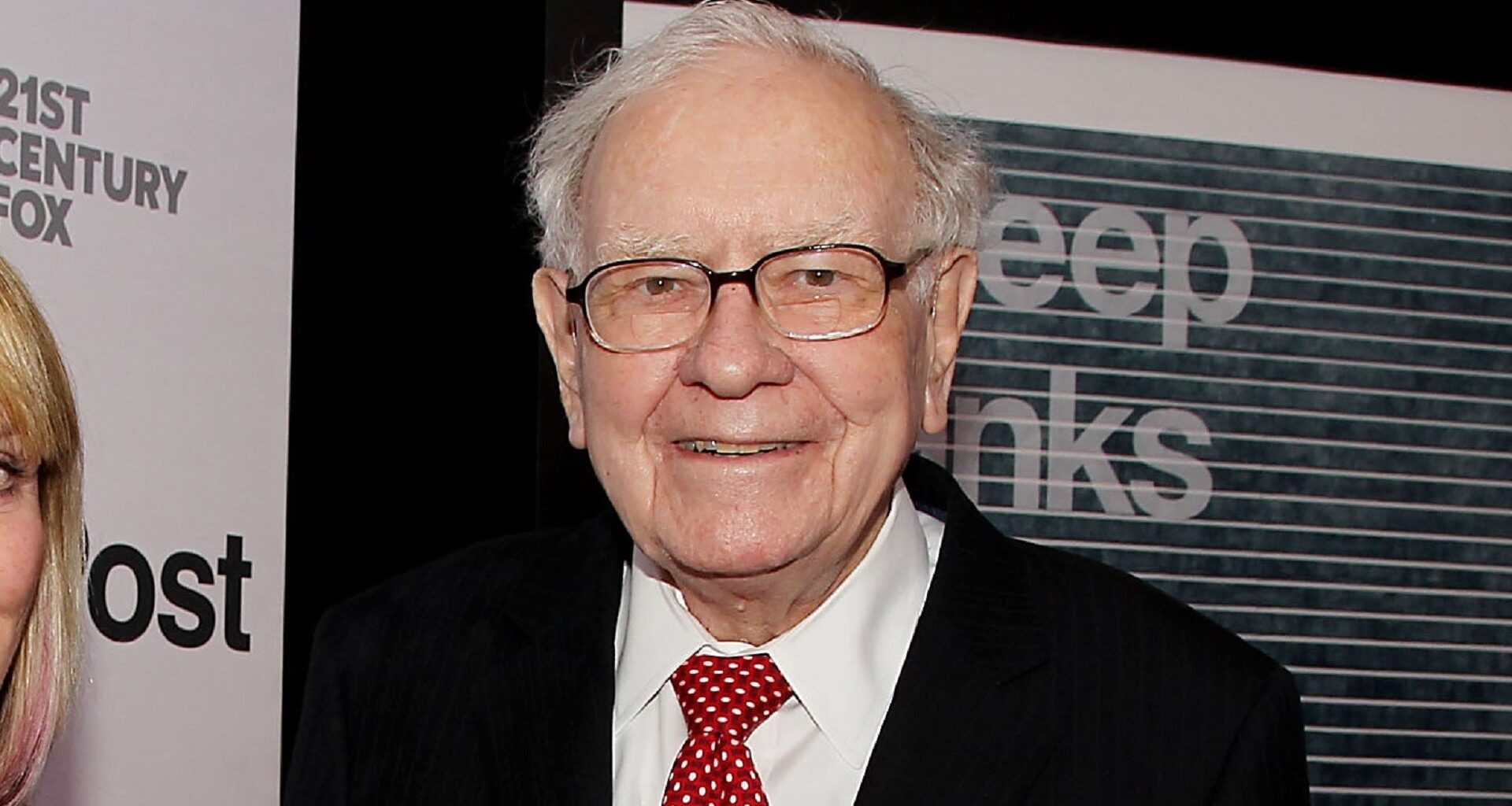
Dave Allocca / Starpix / Shutterstock.com
Commitment to Our Readers
GOBankingRates’ editorial team is committed to bringing you unbiased reviews and information. We use data-driven methodologies to evaluate financial products and services – our reviews and ratings are not influenced by advertisers. You can read more about our editorial guidelines and our products and services review methodology.

20 Years
Helping You Live Richer


Trusted by
Millions of Readers
Sure, navigating a tough economy is easier when you are a hundred-billionaire. Still, even so, that doesn’t mean your financial advice isn’t useful to those with slightly less funding in the middle class. With that in mind, Warren Buffett’s best money advice for average-salaried Americans isn’t flashy; it’s proven.
In 2026, with higher living costs and, to put it nicely, market uncertainty, his guidance is more relevant than ever. Simply put, you don’t need to be rich to invest like Warren Buffett. Here’s how the middle class can start growing their money today.
Live Below Your Means Even When Comfortable
No matter how much money you make, one of Buffett’s most consistent messages keeps it really simple. Don’t spend everything you earn. Sounds obvious, but regardless of his enormous wealth, Buffett is famously frugal, living in the same modest home he bought decades ago and avoiding lifestyle inflation.
For middle-class households in 2026 trying to tighten their budgets or avoid a similar lifestyle creep, this principle matters more than income level. Raises, bonuses and side-hustle income don’t create wealth if spending rises just as fast as you rake it in. In other words, saving comes before spending and any upgrades should be intentional, not automatic.
Invest In Yourself First and Foremost
Buffett, best known for investing in businesses to the tune of a personal net worth estimated at about $146 billion, consistently highlights the importance of investing in yourself. Skills, education and health offer returns that no market downturn can erase, especially over time.
Whether it’s learning in-demand skills for the evolving workplace or improving your financial literacy, remember, your earning power is one of your most valuable assets, and it compounds, too.
Invest Consistently Even When the Market Isn’t
The Oracle of Omaha has repeatedly emphasized that time in the market beats timing the market. Waiting for the perfect moment often leads to missed opportunities, especially for long-term investors. In the economic turmoil of 2026, market volatility can make investing feel risky, but Buffett’s advice remains unchanged, so keep investing steadily, regardless of short-term noise in 2026.
He has also famously recommended low-cost S&P 500 index funds for most investors, including for his own estate planning, thanks to their broad diversification, minimal fees and strong returns. His reasoning is straightforward: Fees eat returns, and most active managers fail to beat the market over time.
For middle-class Americans, whose household income generally ranges from approximately $41,000 to over $124,000 annually, this advice is especially powerful because it doesn’t require advanced knowledge, large balances or constant monitoring.
Avoid Debt in the Short Term To Build Wealth in the Long Term
Buffett is cautious about the hows and whys of owing money, particularly high-interest credit card debt. While he acknowledges that some debt (like reasonable mortgages) can be useful, he strongly warns against borrowing for depreciating assets or impulse buying.
Don’t be fooled, because Interest works twice as hard against you when you’re in debt, which is the opposite of how compounding works in investing. Buffett has built his career by focusing on decades, not quarters. He often reminds investors that the stock market is designed to transfer money from the impatient to the patient.
Standing in 2026 and peering into your future means planting seeds now for what you want to grow later. This could include buying quality investments and holding them or simply letting compounding work quietly in the background. Being in the middle class doesn’t mean you need complex strategies to succeed financially, because often the easier way gives you the financial edge.