
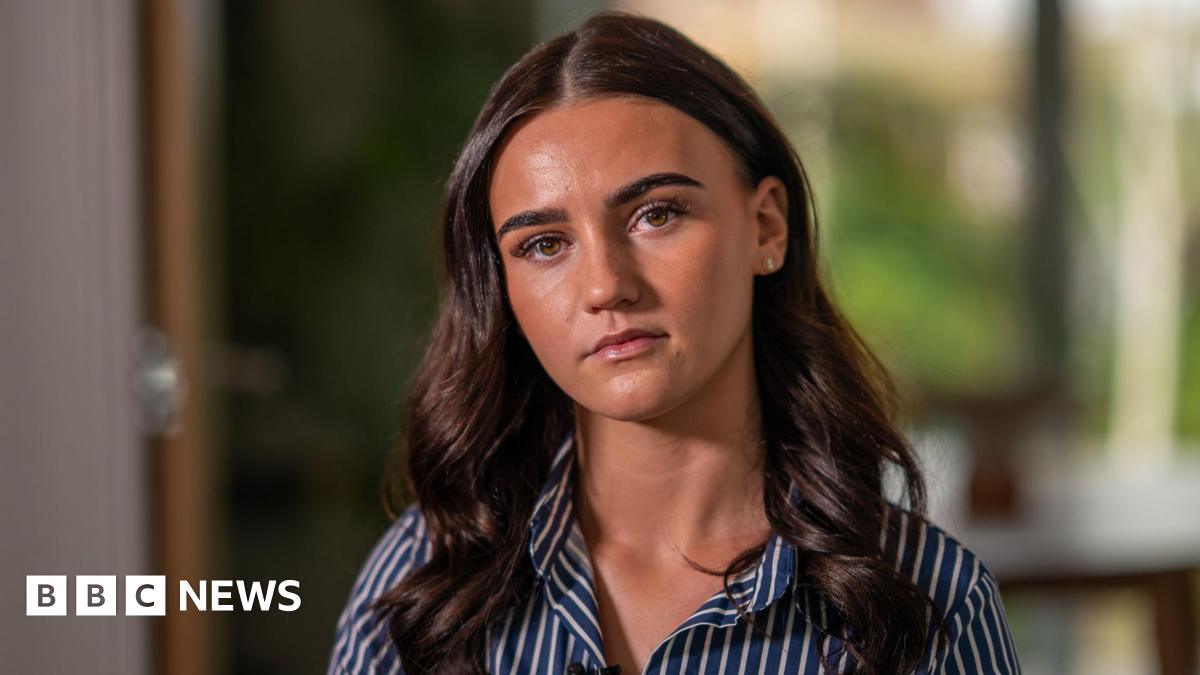
Meanwhile, Sasha-Jay said she was sharing her story in the hope she gets answers and also wants people to be extra cautious when online.
“I always thought, ‘oh, it’ll never happen to me’, and now it’s happened to me,” she said.
“Social media is powerful, but there are still not enough safeguards to protect people from long-term impersonation and targeted attacks like this.”
She wants social media platforms to introduce identification verification for an account, adding: “A fake profile might look harmless to some, but it can destroy reputations, relationships, and mental health.”
Sasha-Jay is urging people to “be cautious about who you interact with online”, requesting users to keep profiles private, double-check accounts, report fake profiles immediately and protect personal information.
“And most importantly, understand that what happens online does not stay online, it spills into real life in ways that can be deeply damaging,” she said.
“No-one should have to fight to reclaim their own identity or feel unsafe because someone else is hiding behind a screen.”
The UK government’s Department for Science, Innovation and Technology, external said all social media providers needed to protect users.
“Impersonating or ‘catfishing’ as someone else online is a horrible form of abuse that can have distressing consequences for victims both on and offline,” a spokesperson said.
“Under the Online Safety Act all in-scope services, including social media platforms, need to protect users from illegal content and criminal behaviour, including false communications offences.”