
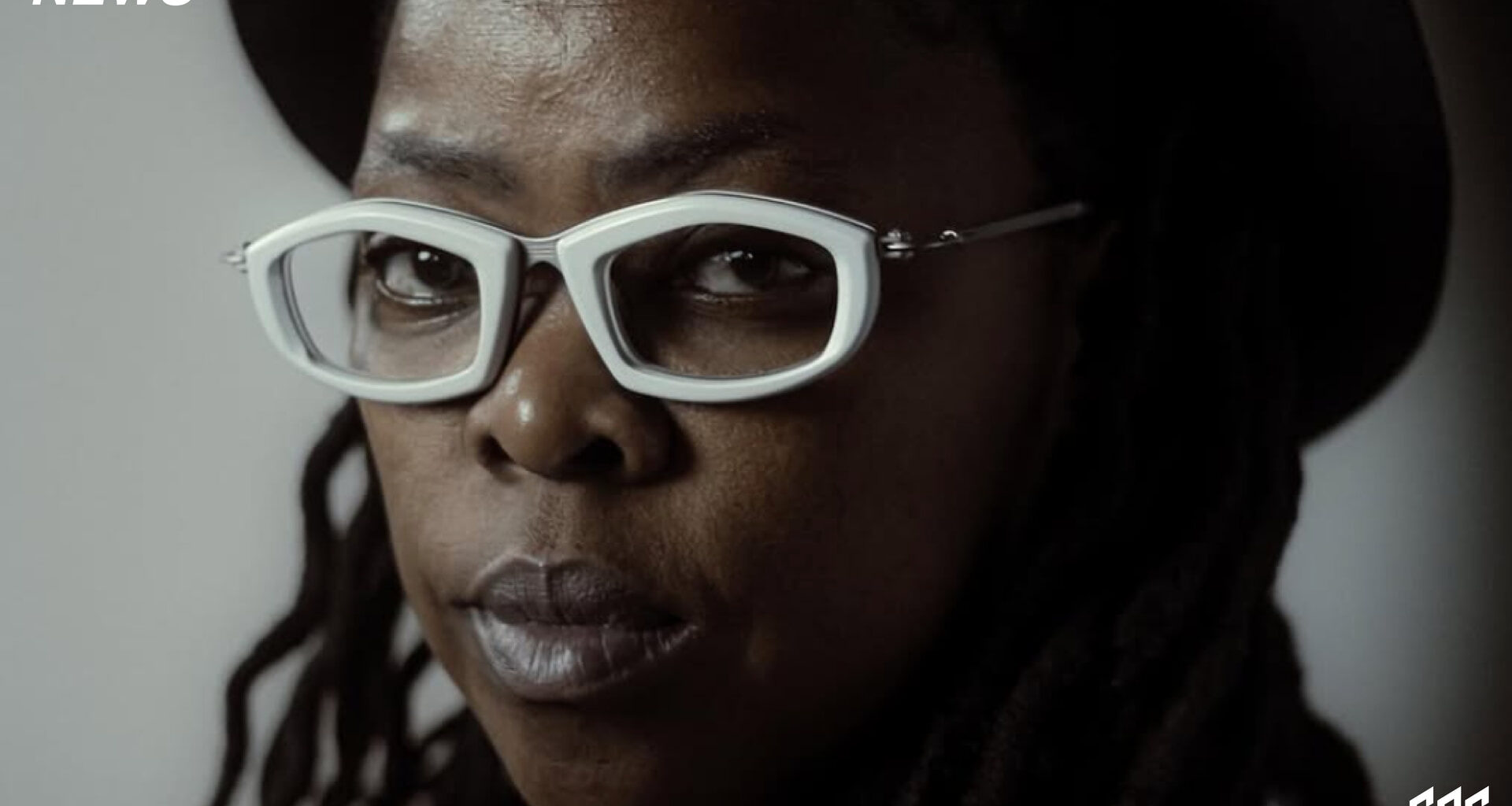
Born in 1972 in Umlazi, Durban, during the height of apartheid, Zanele grew up in a political landscape defined by systemic inequality and violence. This context profoundly shaped their practice, which sits at the intersection of photography, activism and community work. Over the past two decades, they have become internationally recognised for a powerful body of portraiture documenting the lives of Black LGBTQIA+ individuals in South Africa and across the diaspora.
Through carefully composed portraits — often characterised by striking contrasts of light and shadow, strong compositional framing and an unwavering direct gaze — Zanele centres subjects who have historically been marginalised or erased from mainstream visual culture. Their work confronts prejudice while simultaneously building an alternative visual archive that affirms the presence, complexity and humanity of queer Black communities.
In announcing the award, the Hasselblad Foundation praised Zanele’s work for its far-reaching impact beyond the art world. The foundation noted that Zanele’s portraits articulate “the presence, depth and dignity of the Black LGBTQIA+ community in South Africa and the rest of the world.” The foundation also highlighted the artist’s ability to combine “political urgency and formal mastery,” describing their practice as both aesthetically compelling and socially transformative.
Central to Zanele’s work is the understanding that representation is the creation of historical record. Their photographs foreground individuals with dignity and presence, challenging discriminatory narratives while preserving stories that might otherwise remain unseen. In this way, Zanele’s practice functions as both artistic expression and community documentation.
As the first Black queer South African to receive the Hasselblad Award, Zanele’s recognition marks a historic moment for the global visibility of queer African narratives. It affirms the power of visual storytelling to reconstruct cultural memory, while acknowledging a practice that continues to challenge injustice and expand the possibilities of photographic portraiture.
For more news, visit the Connect Everything Collective homepage www.ceconline.co.za