
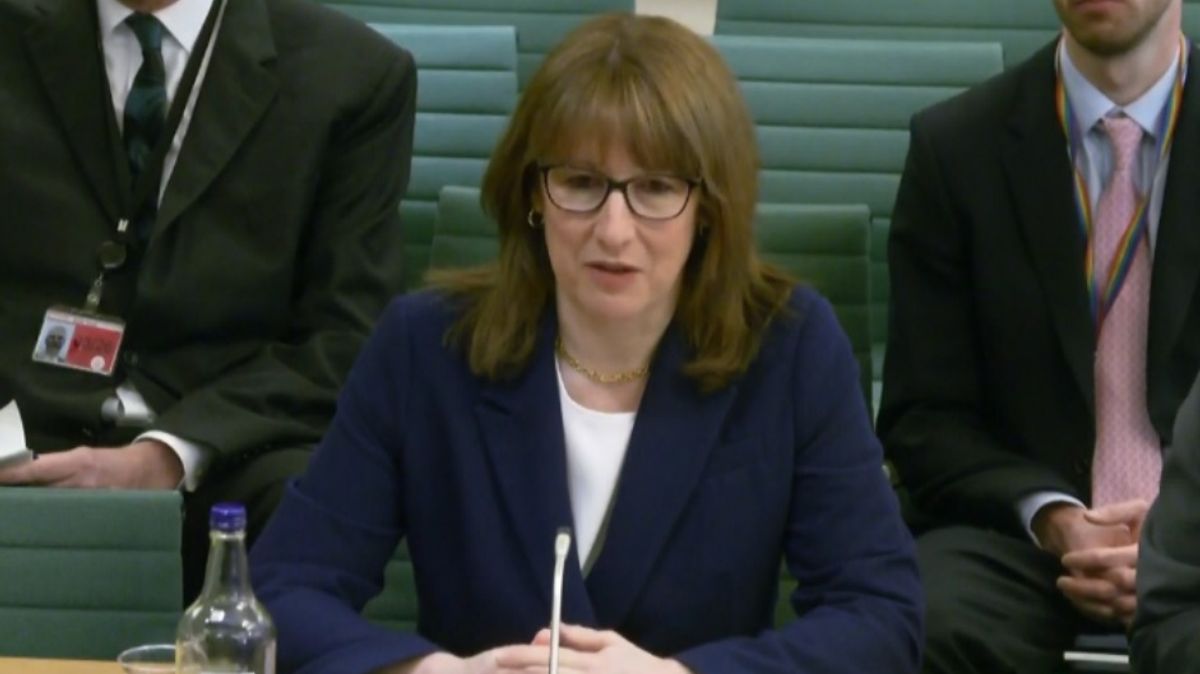
Rachel Reeves has announced workers will be required to pay National Insurance to HMRC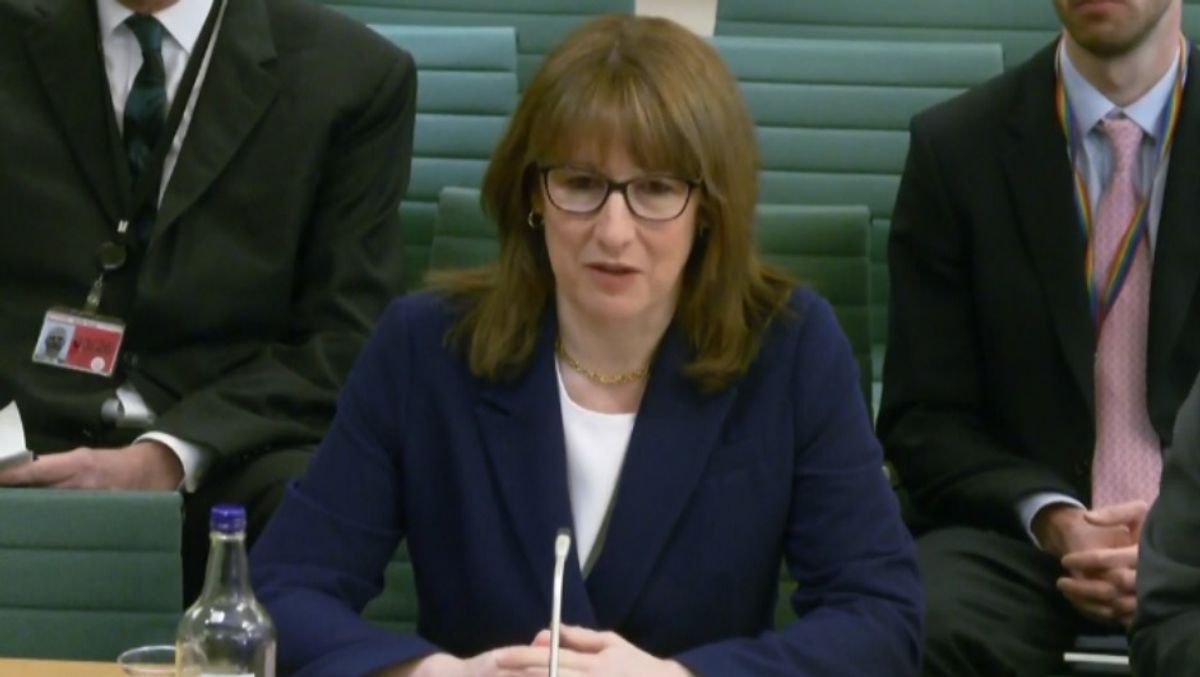
Rachel Reeves has announced workers will be required to pay National Insurance to HMRC
A salary sacrifice shake-up has taken a step towards becoming law today. Labour Party Chancellor Rachel Reeves has announced workers will be required to pay National Insurance to HMRC if they enhance their pension funds through salary sacrifice by more than £2,000 annually.
The Bill passed through the upper chamber at third reading on Thursday. “The cost of pension salary sacrifice was set to travel to £8 billion a year by the end of this decade,” Treasury minister Lord Livermore said.
“That increase has been driven mostly by high earners, with additional rate taxpayers tripling their salary sacrifice contributions since 2017.
READ MORE NS&I customers urged to ‘cash in’ Premium Bonds and move their money
“This includes individuals sacrificing their bonuses without paying any income tax and national insurance contributions on them. The status quo is neither fair nor is it fiscally sustainable.”
The minister added: “This Bill therefore introduces a cap of £2,000 under which no employer or employee contributions will be charged on any pension contributions.”
He continued: “The majority of those currently using salary sacrifice will be unaffected.”
Conservative Party shadow Treasury minister Baroness Neville-Rolfe criticised the Bill, stating it “prioritises the hope of short-term tax gain over the far more important task of sustaining a system that encourages and rewards responsible pension saving”.
Any sacrificed contribution above the cap will also not be counted as income when working out Student Loan repayments.
The National Insurance Contributions (Employer Pensions Contributions) Bill will now return to the House of Commons, which may make further changes in an attempt to remove these amendments.
Charlene Young, senior pensions and savings expert at AJ Bell, said: “When the cap was announced, the long lead time caused many to believe that the 2029 changes would never see the light of day. Some signposted the fact that the next general election must be held on or before 15 August 2029, and others pointed to the current administration’s tendency to U-turn on contentious policies.
“The government has rushed through the draft rules well ahead of time to signal its intention to get them into law, and perhaps because they were aware there would be plenty of back and forth between the two Houses.”