
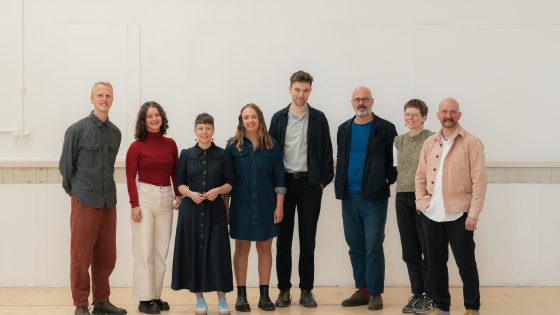
Practice name: Hamilton Hay Van Jonker (HHVJ)
Based: Glasgow
Founded: July 2024
Main people: Thomas Hamilton, Melanie Hay, Nick Van Jonker
Where have you come from?
Before setting up HHVJ, we spent more than a decade working together at Hoskins Architects in Glasgow. Mel is a conservation architect, having gained previous experience at Julian Harrap Architects in London before relocating to Glasgow.
While working at Hoskins, we collaborated on major cultural and mixed-use urban regeneration projects, including Aberdeen Art Gallery, the Scottish Galleries at the National in Edinburgh, and the George Street Complex in Glasgow.
These complex projects involved radical changes to listed buildings, alongside new-build elements, combining a considered approach to heritage and the environment with thinking about the future of how a city is looked after.
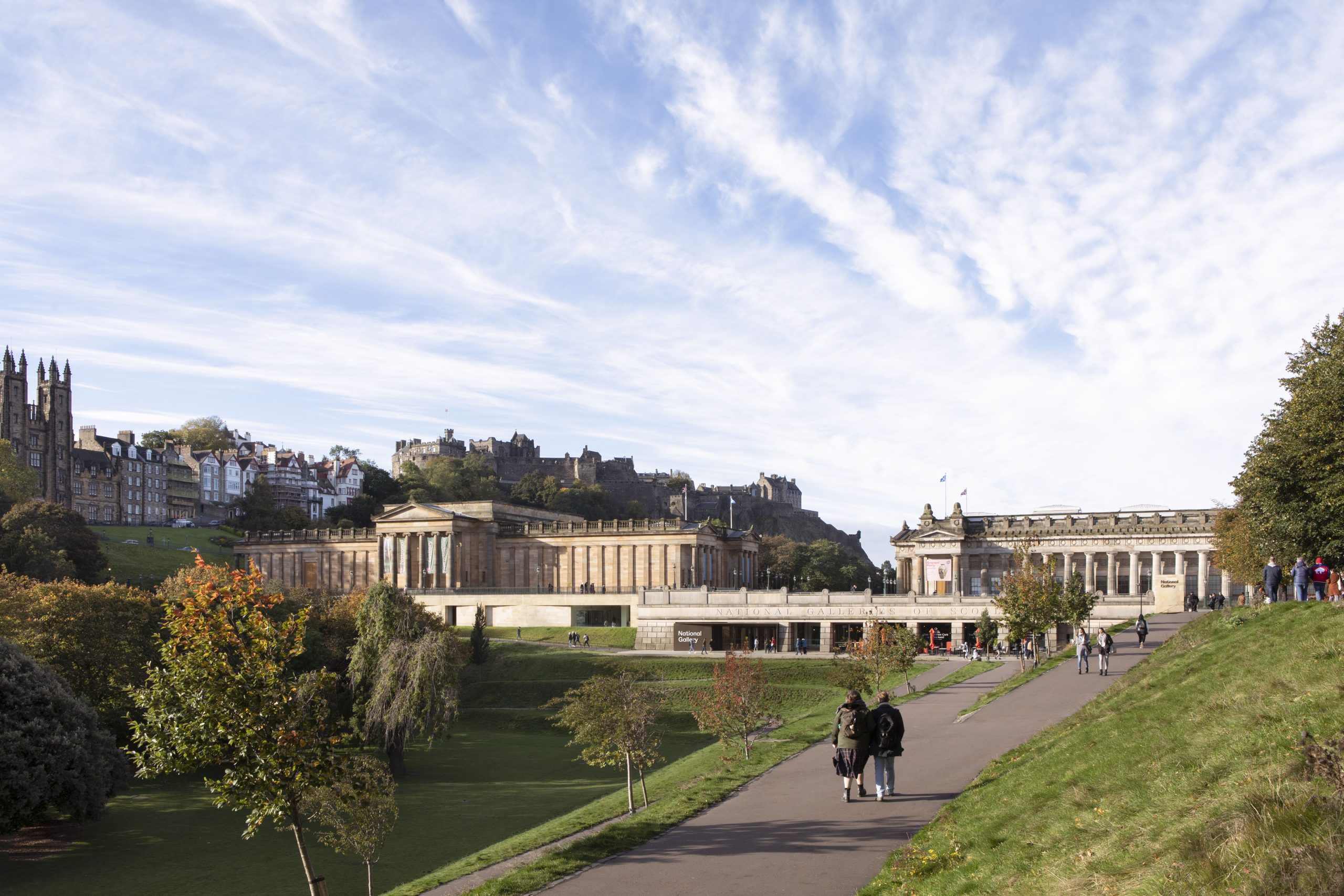
Scottish Galleries at the National by Hoskins Architects
What work do you have and what kind of projects are you looking for?
All our current work involves existing buildings, many of them listed, though it’s not our sole focus. Our projects range from the remodelling of a 15th-century castle tower in Midlothian to the reimagining of one of Glasgow’s best-loved Edwardian theatres, and a residential retrofit of a significant early reinforced concrete tower.
The scale and nature of our input vary by project. In some instances, our job is purely conservation and repair, but more often, we help clients transform their buildings to bring them back to life and ensure ongoing sustainable use.
We were very fortunate to start with projects that continued pre-existing client relationships, and we soon found new work on the back of longstanding working relationships with consultants.
We had assumed that, as a new practice, many doors would be closed to us at the start of our journey, as public procurement can feature restrictions that exclude newly formed businesses. However, we were pleasantly surprised as we started winning things we were tendering for, including for public-sector clients such as local authorities.
‘The three of us are curious by nature and enjoy continually learning about the world’
In terms of project type, we work across varied sectors. We take on projects based on whether they are interesting and demand careful thought. We ask ourselves: do they present interesting problems to solve, and can we use our skillset to make a positive difference to people’s lives?
At St Giles’ Cathedral, we’re working on a phased project that includes a series of priority works to increase accessibility at the kirk, as the first part of a long-term legacy project. The small scale of the initial phase is lovely, but the work is no less demanding given such sensitive context. Studying elements of the design at 1:1 helps us understand the impact of our new additions in the 900-year-old church.
The three of us are curious by nature and enjoy continually learning about the world. This approach to projects allows us to understand the context to make informed decisions about how to act. Making change and knowing that it’s a response to the thing that you now understand better than you used to is incredibly satisfying and exciting.
This is something we nurture in our team too. We believe that working at a range of scales also helps our colleagues in the studio gain well-rounded experience. Small projects and studies provide opportunities to see things through the stages quickly in a way that you can’t on a large-scale project.
Though we haven’t entered any open competitions yet, as we find it hard to justify the time and resource drain on a small office, this may be something we can do in the future.
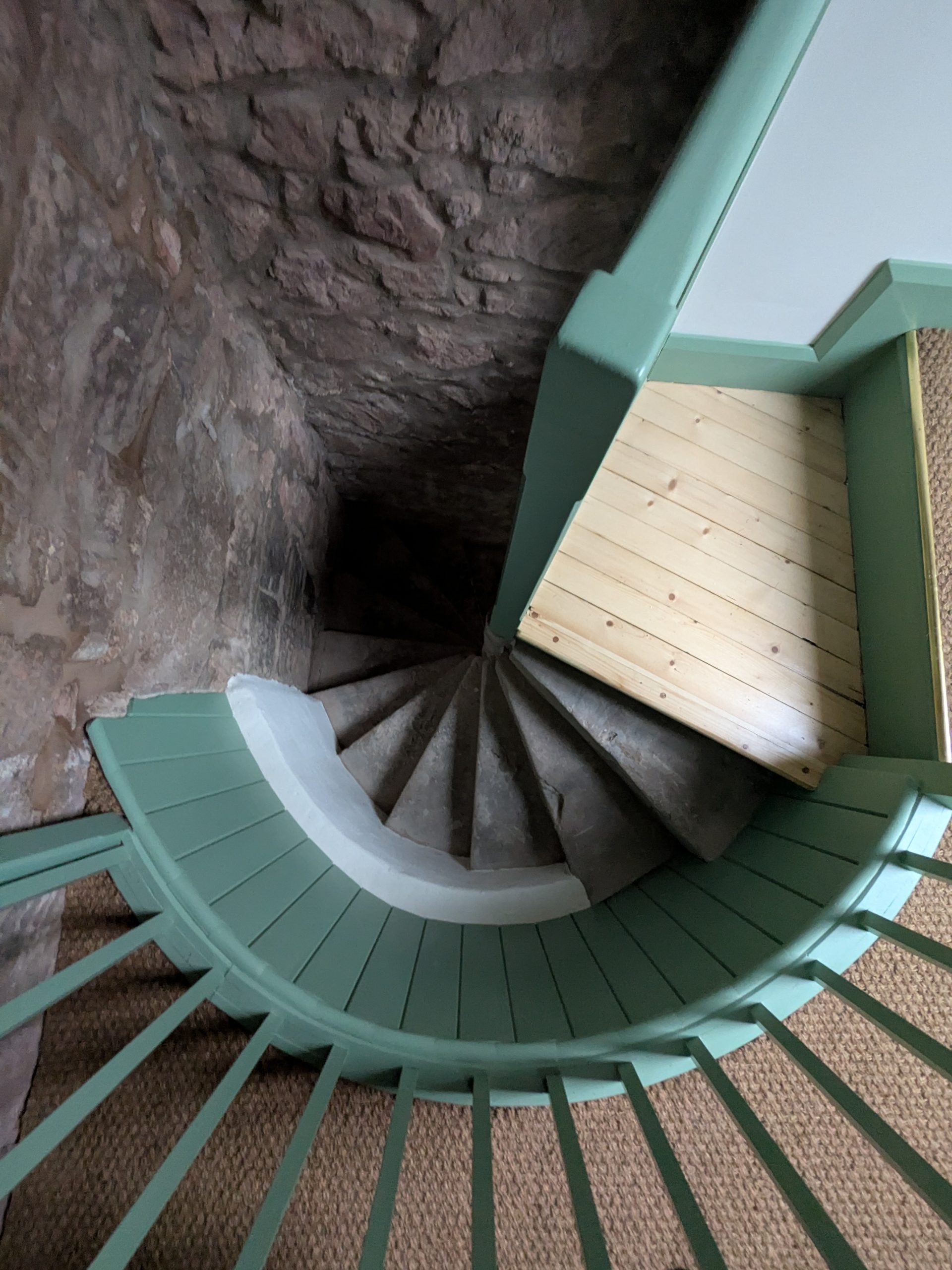
Remodelling of a 15th-century castle tower in Midlothian by Hamilton Hay Van Jonker (HHVJ)
Are you being asked to do more retrofit work – and are you steering clients in this direction?
We have some retrofit work, but find that it’s not always a major priority for clients, and we often need to strike a balance with the cultural significance of listed buildings.
Two of our projects have focused on the residential conversion of two of Glasgow’s most prominent Category A-listed 20th-century buildings. We’ve noticed a change in attitude among different client types – a charitable trust and a commercial developer – as they wrestle with the same issues. These studies have built upon our previous experience at the George Street Complex, where we brought the derelict and neglected listed Parish Halls and the former Inland Revenue building back to life as a hotel and residential use, reinvigorating an entire city centre block.
At Hawthornden Castle, we’re carrying out upgrade works to their library and gardener’s cottage complex, and have retained and reused much of the existing fabric – not always because of its heritage significance, but to limit environmental impact and reduce costs.
We also carried out a more strategic environmental study for one of the country’s biggest theatre operators, reviewing its estate of 35 buildings to help it prioritise works and navigate the route to net zero. We recognise in these instances it can be unrealistic for clients to carry out everything all at once, so it’s about taking a pragmatic approach to delivering improvements rather than striving for perfection.
What are your ambitions?
We want to be known for being thoughtful and for delivering projects that make a positive contribution to people’s lives.
We really enjoy being part of the creative community at Florence Street – our studio is in a classroom within a converted Victorian school run by Urban Office. Other tenants include artists, designers, theatre makers and curators at the Common Guild. There’s always something happening and an energising buzz about the place.
Practising in Glasgow gives us the opportunity to reach most of the UK – we have projects as far north as Caithness and have been bidding for projects in Wales.
‘It’s difficult to manage the competing demands of existing work and continuing business development’
The three of us like to have oversight of all projects, and each brings something unique that enriches the process. To continue working closely together is our main aim. We don’t have any aspirations to open satellite offices, and keeping our size around 12-15 would be ideal.
We need to ensure our team is large enough to handle the types of projects we are involved in, but not so large that we lose the close-knit atmosphere of a smaller studio.
What are the biggest challenges facing you as a start-up and the profession generally?
People have shown a surprising amount of goodwill towards us as a new practice, both existing contacts and people we have just met. We were all really heartened by how supportive most people in the industry were of our endeavour.
There are certainly challenges in establishing a new practice. Although we’ve dipped our toes into the world of public procurement, we still find we can’t meet eligibility requirements on some projects – for example, we can’t provide three years’ accounts as yet. We’re also at a disadvantage without a series of built examples to rely on as case studies, but this will build over time.
‘We still can’t meet eligibility requirements on some projects’
Getting ourselves out there was key at the beginning, and getting strategic input at that pivotal stage was so helpful. Communications consultant Julia Nicholls advised us to stay on people’s radars and be consistent in our messaging to the outside world. It can be difficult to manage the competing demands of doing existing project work and continuing business development, but it is so important not to get caught in the weeds. We try to split the tasks, maintaining existing networks while identifying our new practice’s strengths and weaknesses.
As a small practice, you are also more vulnerable to existential threats, especially when projects are delayed. We have tried to keep a varied workload across scales and sectors to mitigate against the impact of this.
Which scheme, completed in the last five years, has inspired you most?
We’ve been lucky enough to work a lot on buildings for the performing arts. Projects that radically reimagine these places to support unexpected modes of performance are always a joy. Charcoalblue and Carmody Groarke’s work to transform the Playhouse Theatre into the KitKat Club for the current run of Cabaret is incredibly good, and we learned a lot from experiencing that project.
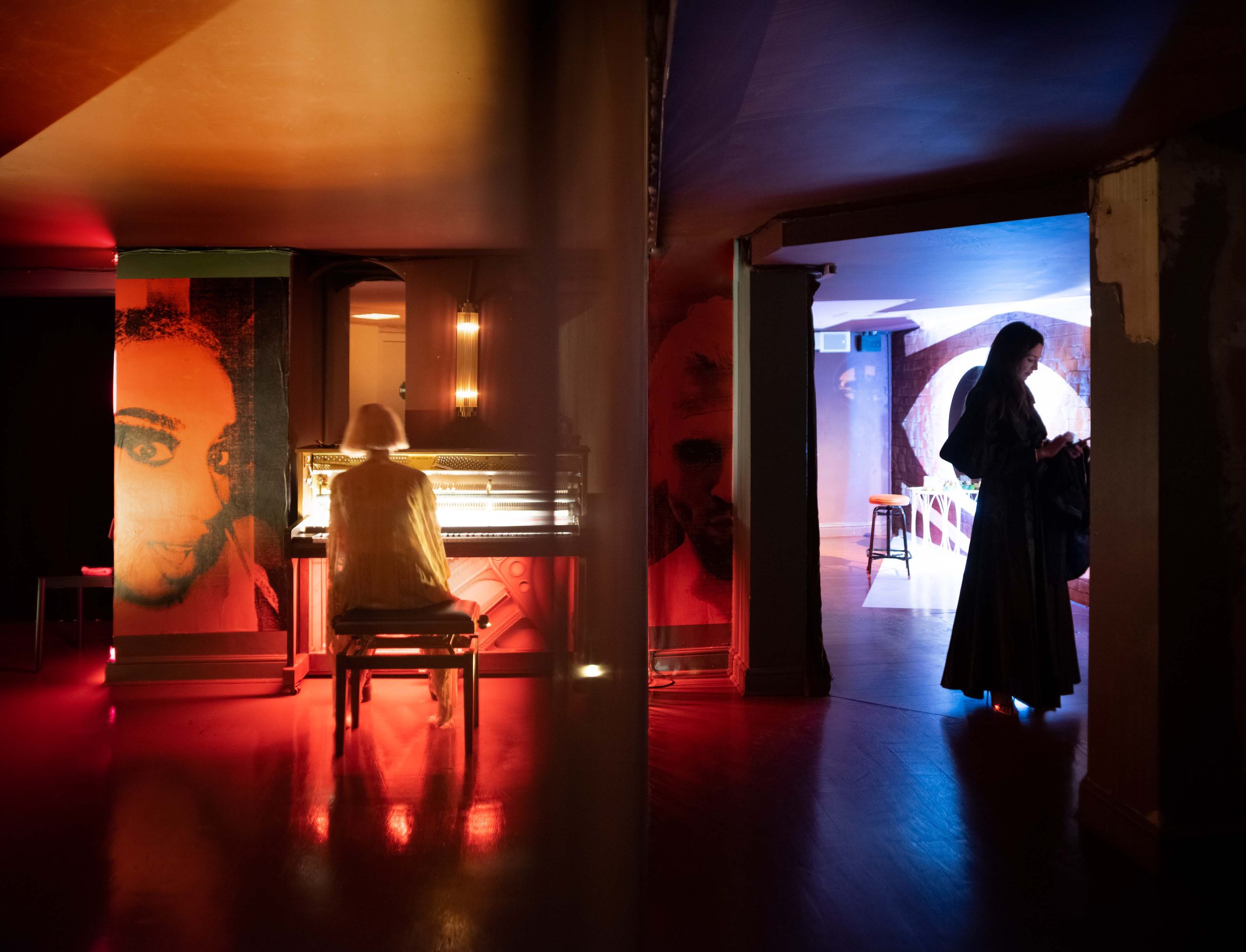
Source:Philip Vile
RIBA National winner 2023: The Kit Kat Club at the Playhouse Theatre, by Carmody Groarke (London)
Are you using any new design techniques, such as AI?
We haven’t really got our heads around how AI would best help us. We want it to do the mind-numbing, tedious jobs rather than the bits we enjoy.
Our design techniques are deliberately analogue. You learn lots by making models and drawing by hand, in a way that AI can’t replace.
How are you marketing yourselves?
Early on, we invested in a distinctive brand and sought communications advice, which has helped us massively. We have beautiful business cards, handmade by Ian from IST Printing, who has been working underneath the railway arches in Tradeston for 40 years.
We established a social media presence on Instagram and LinkedIn, and currently have a holding website to build on with bigger things when we can.
Since launching, we’ve been out in the world at industry events, both attending and contributing. Mel and Nick are speaking at a Heritage Network event next month. Mel also hosts an annual speed mentoring event to raise money for the Architects Benevolent Society, a charity that she’s an ambassador for, while supporting early-stage professionals in the industry.
To nurture our own team and network, we have lunch together every week in the studio and invite guests – clients, consultants, collaborators. We take turns to cook a dish for everyone to share, and it can get quite competitive!
Website: www.hhvj.com
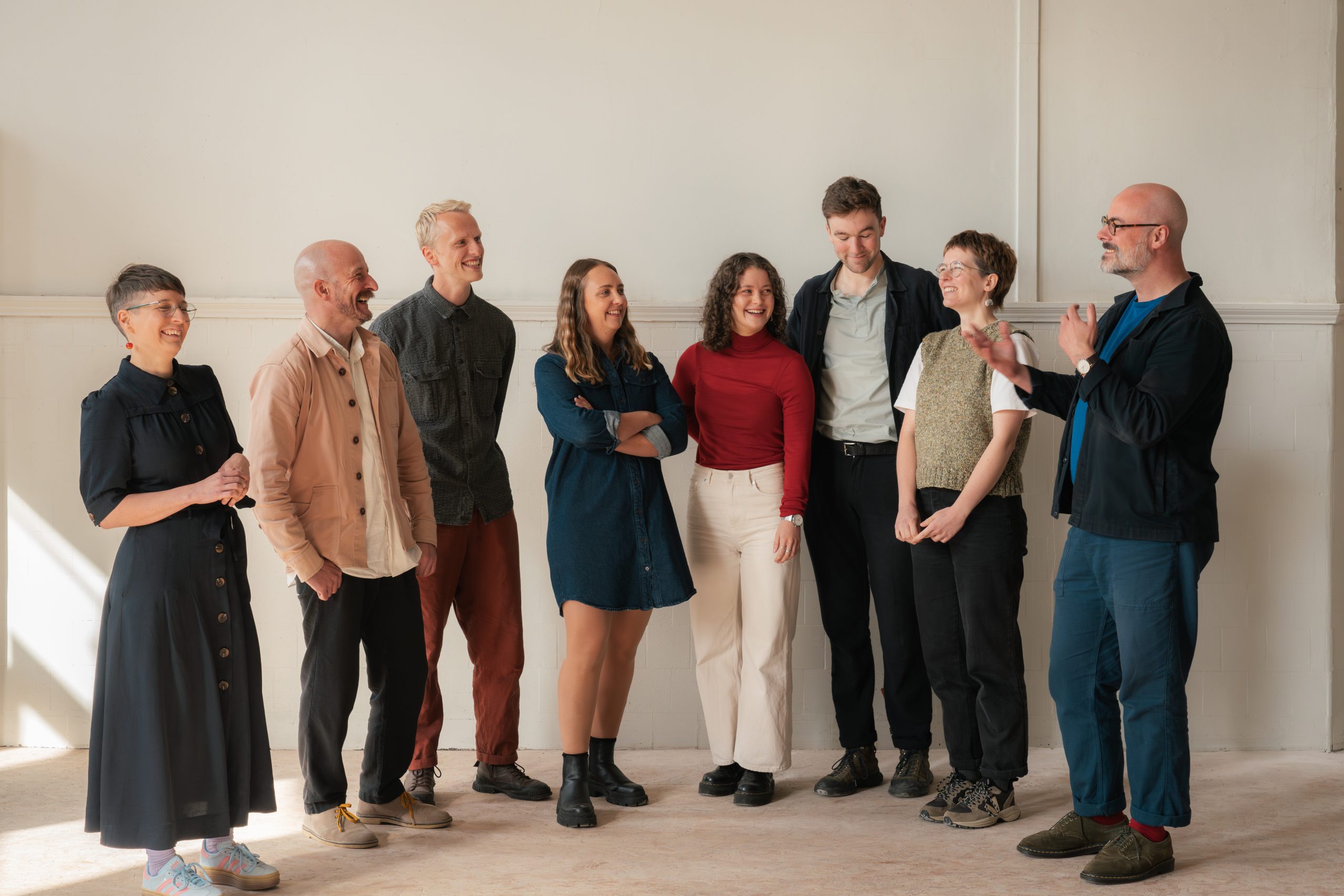
The Hamilton Hay Van Jonker team