
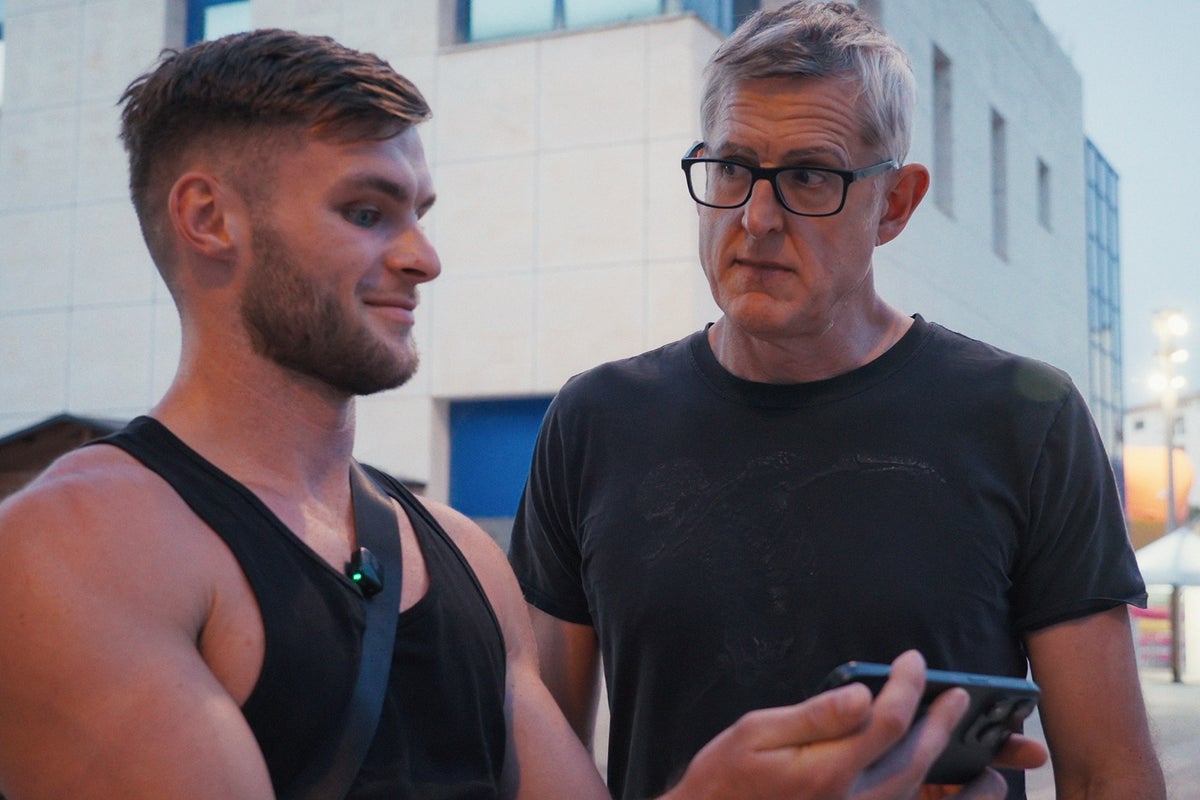
One of the quite legitimate criticisms of the new Louis Theroux documentary Inside the Manosphere can be summarised with the phrase “OK Boomer”. For people who have been following, writing about or worrying about the manosphere for nearly five years, Theroux wading into this particular quagmire now seems to lack his usual impeccable timing and sharp eye for cultural controversy.
If this were 2022, his interviews with Harrison Sullivan, aka HStikkytokky, Myron Gaines, Sneako, and slightly odd man out, Justin Waller (he looks more like an estate agent) might have been shocking. In the early days, their red-pilled, sexist, money-obsessed paranoia scandalised anyone vaguely progressive and attracted millions of mostly young men and boys thrilled by the more extreme ends of the galaxy-sized manosphere.
However, after half a decade and billions of hours of livestreams courtesy of these jacked-up bros commodifying young, male pain with the belief that feminism and 9-5 jobs (“the matrix”) are the root cause of their misery, it’s likely the audience were a lot less shocked than Louis looked.
Which isn’t to say the interviews and revelations in Inside the Manosphere weren’t depressing and shocking – they’re just not exactly new to a lot of us. A lot of the content was well-worn manosphere fare: women are second-class citizens and only useful for washing-up and sex; it’s fine to make money from OnlyFans models while calling them “slags” and “whores”; men can be unfaithful but their partners can’t be; wealth is king provided it doesn’t come from conventional jobs – real men make money from crypto.
Some of the interviews were unintentionally funny: “hard man” HStikkytokky mopping the floor because his mum had told him he’d made a mess was a moment. Some were a bleak reminder of what a sewer the manosphere can be, with women being humiliated and men beaten up for ratings wins. The casual intersection with other prejudices was everywhere, with antisemitic and other racist tropes baked into the toxic narrative. Theroux didn’t do much to interrogate many of these darker elements hiding in plain sight.
But what did teenage boys – and their parents – make of Louis’s exposure of the “manosphere”? Judith, 47, is a speech therapist. She doesn’t do social media, doesn’t have a website and frequently forgets to charge her phone unless one of her sons reminds her. She has two sons, Justin, 17, and Tom, 15, and watched it with them and Justin’s friend, Anton, 17.
She was so appalled by Theroux’s interviewees that she struggled to believe the characters were real and initially thought the documentary was a satire. She explains: “I kept saying to my boys, he’s not real, he’s not real, he can’t be real, because I can’t believe in 2026, there are people with views like that on women, and apparently all these boys that take them seriously!
“My dad grew up in working men’s clubs and he would have found them awful. And these guys have girlfriends! What’s the matter with these girls?”
Her sons, Justin and Tom “couldn’t stop laughing at their mum’s expression as we watched it”. Justin admits to having been a big fan of Sneako and HStikkytokky when he was 14 and 15 and explains: “I definitely felt a bit of a bond with a lot of the creators, even Andrew Tate, because lots of them talk about growing up without a dad especially, and I don’t really know my dad.
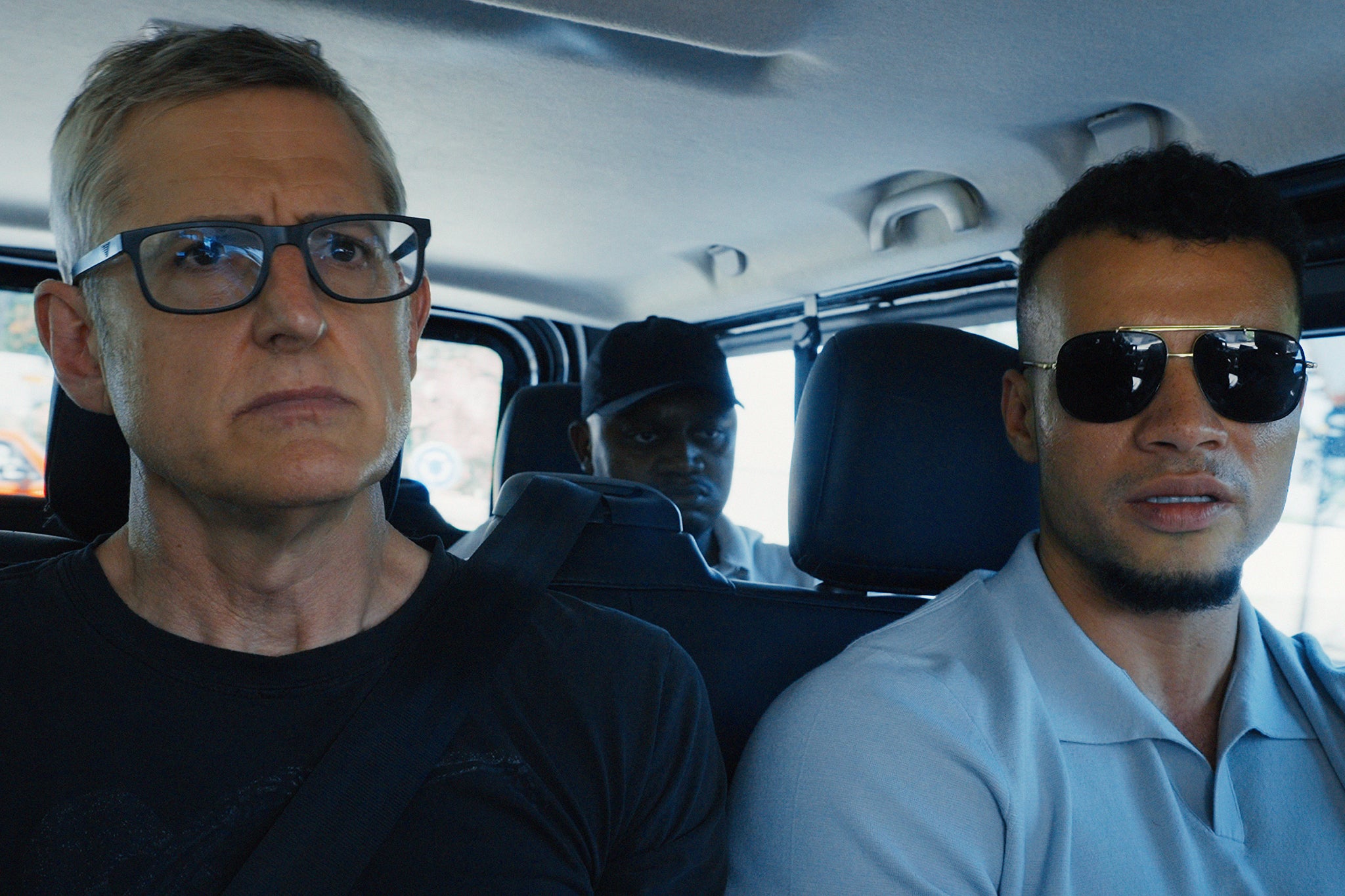
open image in gallery
Macho maker: Theroux meets the influencer HSTikkyTokky (Netflix)
“The documentary sort of touched on it, but that’s definitely the appeal to a lot of lads who might feel a bit odd one out. It’s like being let into a gang where there’s sort of jokes and a bit of an arm around your shoulder or someone telling you to man up. Lots of boys need that.”
Why, I asked Justin, did the appeal of these kinds of influencers wane in the last couple of years? He points to Myron Gaines – certainly the least appealing figure in the documentary for his open aggression towards women, one of whom he calls “huge” and unattractive and an “embarrassment to society” before ordering her out of his studio. He is also known for not believing women should be able to vote or serve in the military and expecting them to be subordinate to a man’s demands.
“Definitely the Myron Gaines stuff. I have a girlfriend and mates who are girls, all that really hardcore ‘girls are all slags and thick’ stuff is nasty,” Justin says. “His content is bullying, and it sort of put me off the whole thing, as you realise a lot of the content is just picking on weaker people. It’s just hate for hate’s sake.”
Anton still follows several manosphere content creators, but mostly for fitness tips, and, like Justin, is tiring of the content, mostly because he’s realised how “scammy” it is: “They are always promising you’re going to make sh**loads of money, but I don’t know anyone who has. One of my mates lost a couple of grand on one of their crypto offers. I think I’ll do an apprenticeship instead.”
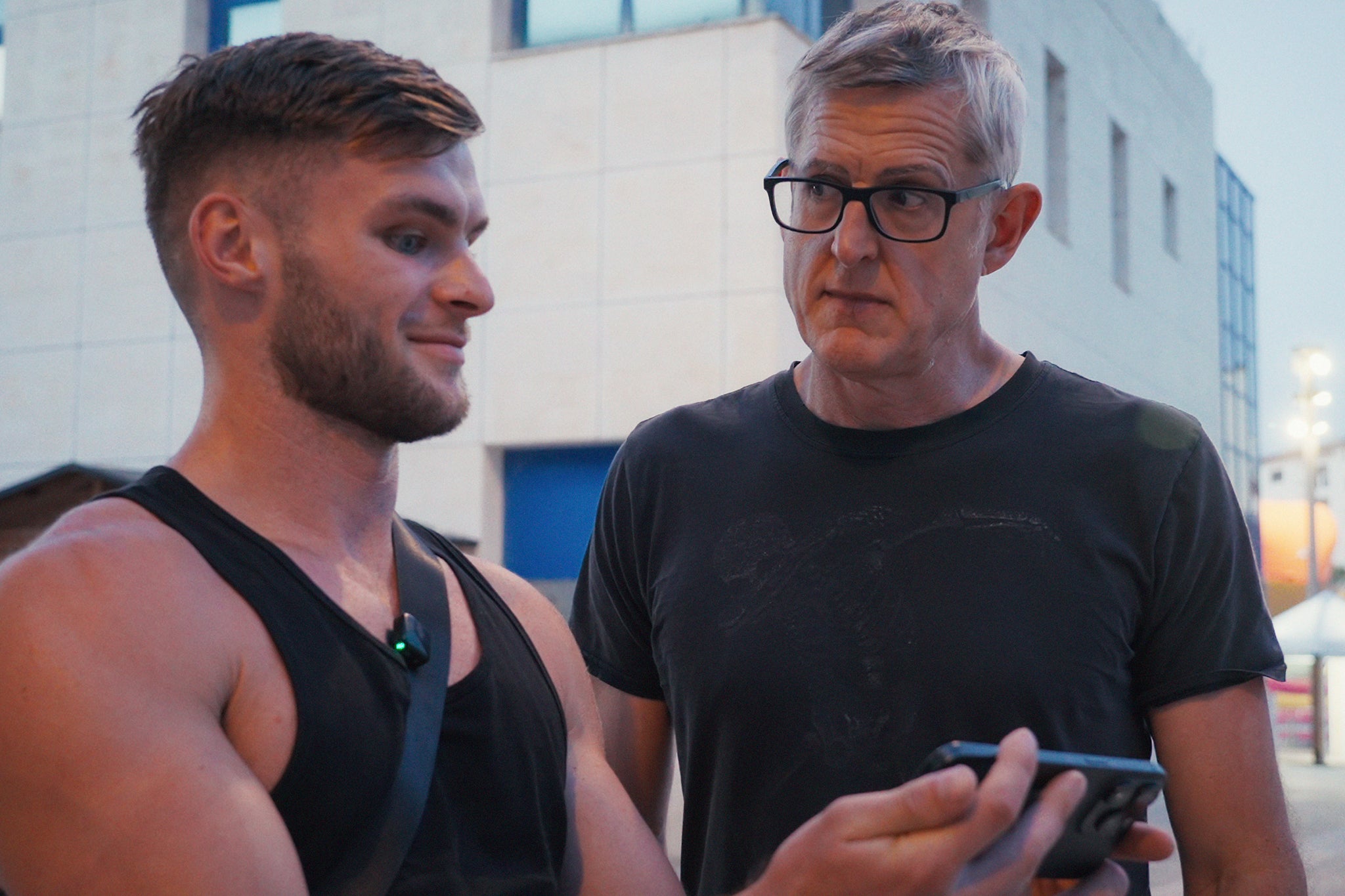
open image in gallery
Screen testosterone: Theroux with British influencer Ed Matthews (Netflix)
Tom, who has been aware of this content since primary school, was even more disparaging about the documentary. Tom and his friends have progressed to more thoughtful and alternative content creators like Joshua Citarella, who hosts the podcast Doomscroll, which interviews thinkers, activists, and internet figures about digital culture and politics.
He describes the guys on Theroux’s documentary as “marble-sucking d***heads.” When I asked what he means by that, he explains: “They all talk like they’ve got a mouth full of marbles. They’re all such playground bullies. Did you notice how they were all quite polite and reasonable to Louis’s face, but the second they were back with their ‘boys’ online, it was all the hardman routine? Talk about beta. They’re try-hard idiots, most people I know think that.”
Markus Buhmann works in technology and watched with his 15-year-old son, and like Judith’s boys, picked up on the “lost boys” narrative of some of the manosphere’s followers. Perhaps the most sympathetic people in the documentary were the two young men in Malibu who really believed the manosphere had saved them from grief, poverty and hardship with its motivational drive.
Markus said it felt like the manosphere had a cult-like hold on vulnerable young men like them, like many who get involved in extreme movements during low or confusing times in their lives. This, he thinks, offers a glimpse into the enduring appeal of the manosphere even if money, women, and cars aren’t magically delivered as promised. It means that these influencers are now being increasingly associated with loserville than the “winning mentality” they purport to portray. They just look and sound a bit, well, sad.

open image in gallery
Theroux with the American ‘success coach’ Justin Waller (Netflix)
Lewis Wedlock is the author of Masculinities in Schools and spends a lot of time talking with boys about male identity, misogyny and the manosphere. He has real concerns about the documentary, believing many boys “are likely to watch this and find it entertaining or activating instead of educational”.
He thinks, ultimately, the documentary has done its viewers a disservice by “failing to acknowledge the harm that directly impacts women and girls through the increasingly mainstreamed perpetuation of misogyny, sexism and violence against women and girls”.
There is certainly a total absence of female voices and perspectives in the documentary, except for the wives and girlfriends of the creators, who all affirm how great their lifestyle is – even the ones who have a traumatised look about them.
Reflecting on Judith’s initial belief that Inside the Manosphere was actually elaborate satire, the end of the documentary did bring to mind a classic sketch from the 1990s. Losing patience with Theroux’s prodding, Sullivan, aka HStikkytokky, shouts at Louis before flouncing off. In many ways, it reminded me of the Harry Enfield/Kathy Burke sketch when Kevin and Perry are constantly storming off from their mums. It’s not shocking, it’s just a bit juvenile and sad. Embarrassing even.
Of course, we all know Kevin the Teenager eventually grows up, gets a girlfriend he likes and becomes a much more pleasant person. We can all live in hope.