
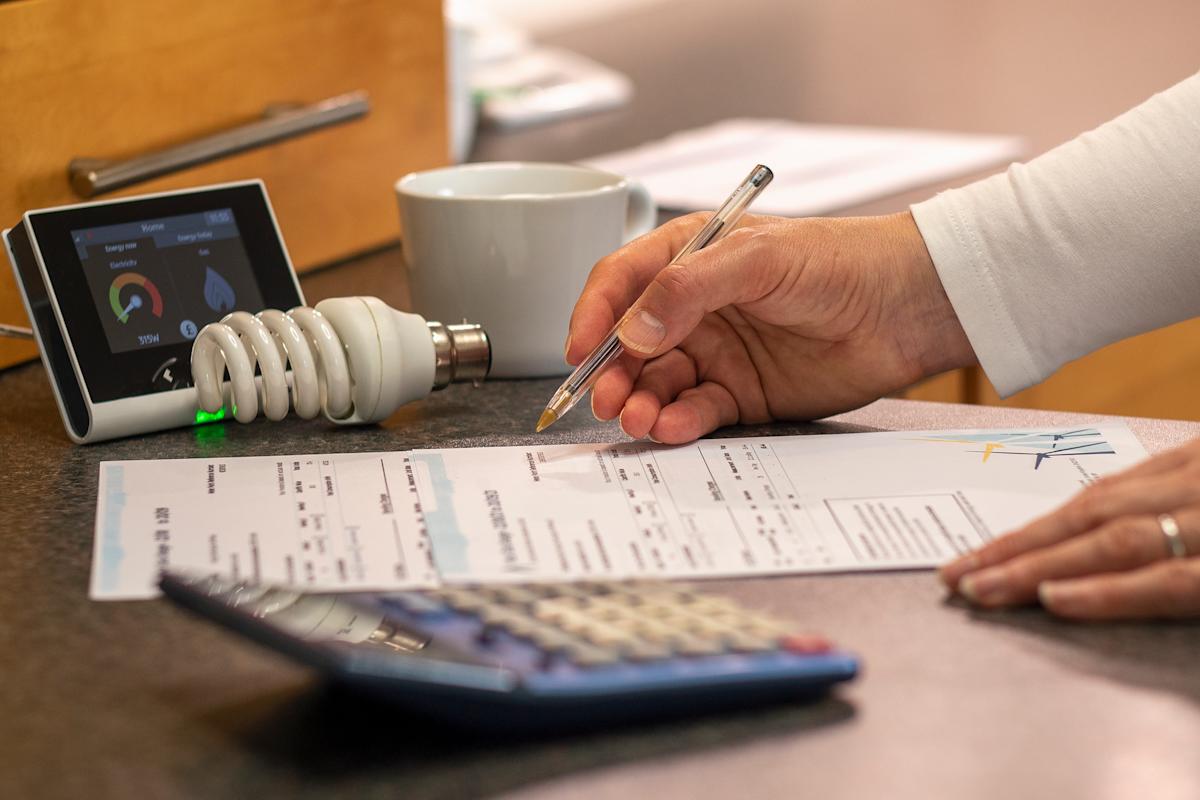
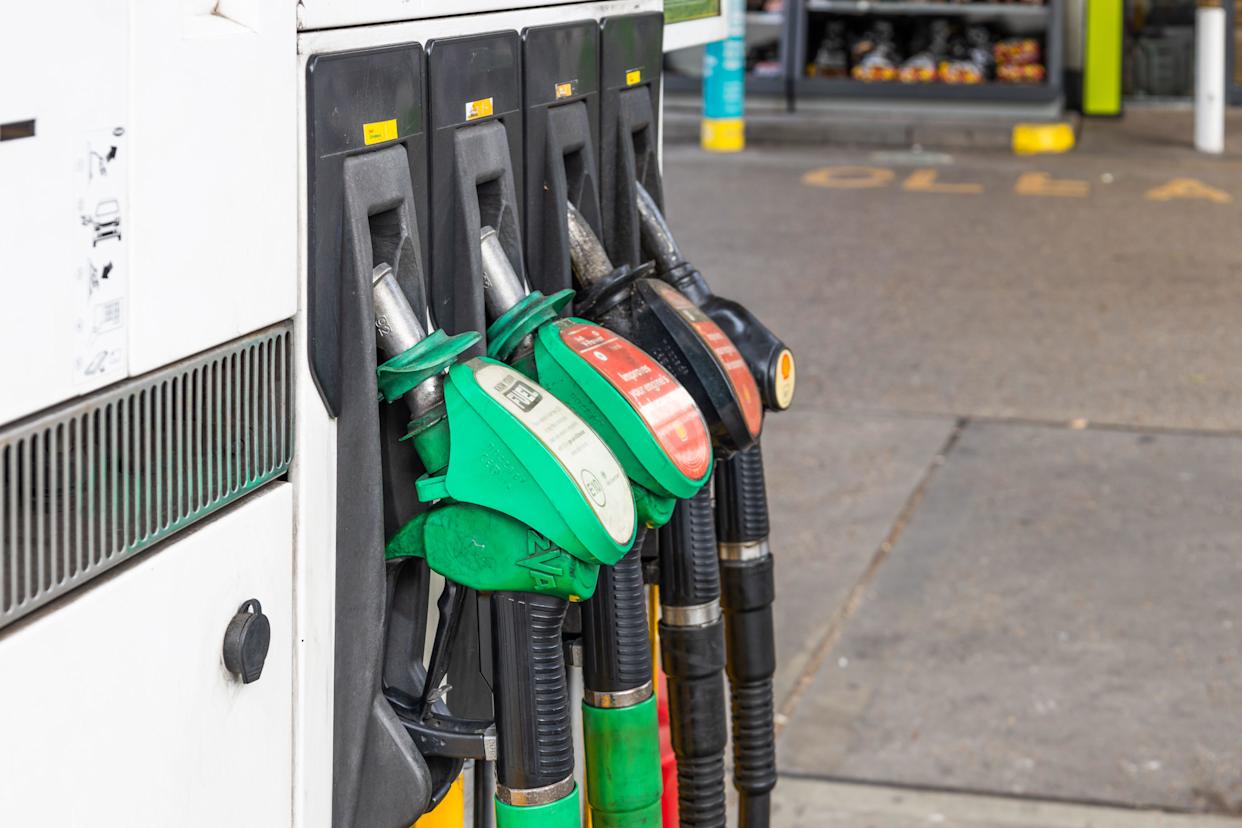
The price of fuel has increased in recent weeks.
(Tartezy)
The price of petrol at forecourts has crept up in recent days, while mortgage brokers have taken deals off the market in response to the global uncertainty caused by the war in Iran.
Nearly 500 homeowner mortgages have vanished from the market in the past couple of days, in the fastest disappearing act since the aftermath of the 2022 mini-budget, according to financial information website Moneyfacts.
Average mortgage rates have also flown past the 5% mark as lenders scramble to raise rates in response to the conflict.
The price of fuel has also increased, with the RAC saying diesel prices had risen by nearly 9% since 28 February. Petrol prices were, on average, 6% higher across the same period.
The price of a barrel of oil crept back over $100 on Thursday after Iranian strikes in the Strait of Hormuz against shipping vessels caused all commercial traffic in the pivotal transport corridor to come to a halt.
With oil and property in jeopardy, the bedrock of much of the global economy, it risks increasing the cost of living across a range of areas.
Mortgages
On Wednesday, Moneyfacts reported that around 500 residential mortgage products have been withdrawn from the market since the start of the week.
This is around 6.5% of the market, it said, with 7,164 deals still to choose from.
The biggest single-day fall in residential mortgages recorded by Moneyfacts was the withdrawal of 935 products on 27 September 2022, which it said was about 25% of the deals available at the time.
Average mortgage rates on the market are now at levels not seen since last summer.
The average two-year fixed homeowner mortgage rate on Wednesday morning was 5.01%. This is up from 4.84% on Friday last week and the highest level since 5.01% on 6 August, 2025.
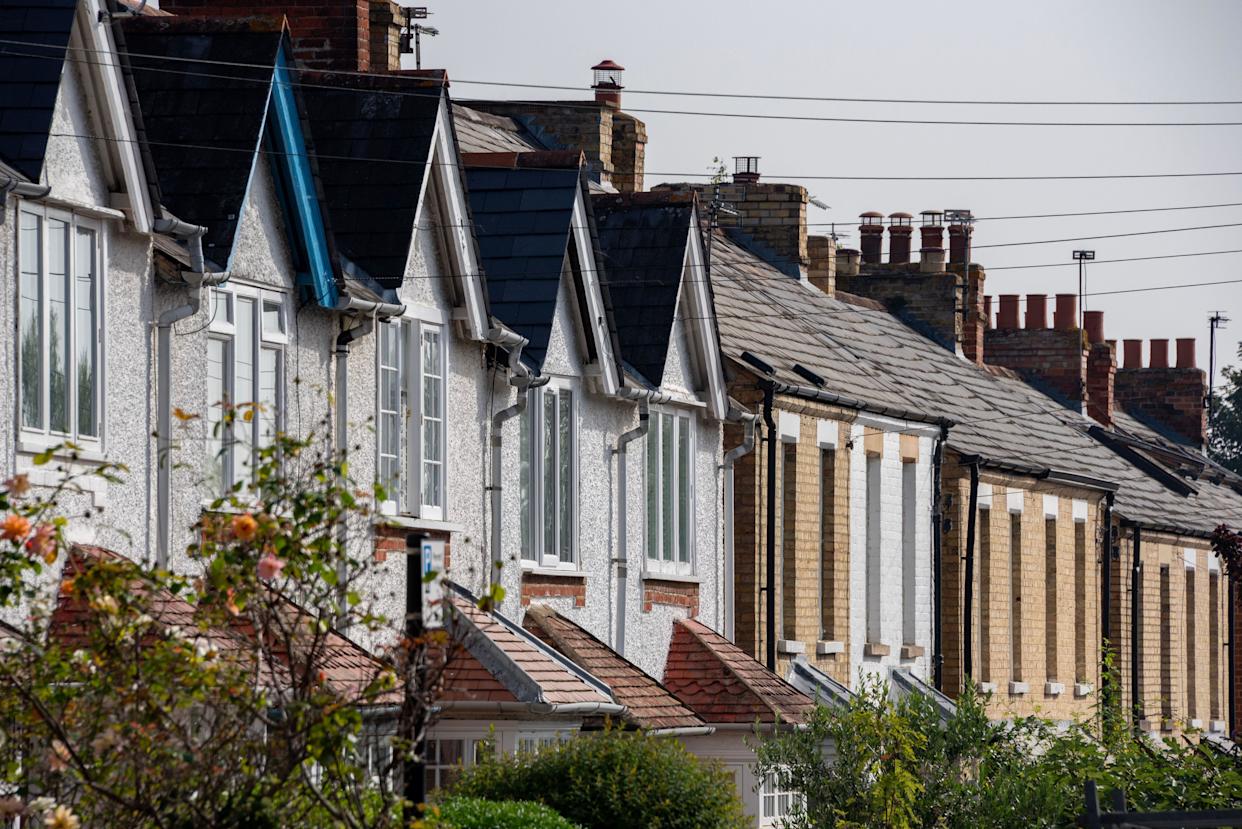
Mortgage rates are going up.
(Martin Anderson)
A wave of rate increases has already taken place among Britain’s biggest lenders in recent days, but further hikes are around the corner. HSBC UK is set to make further rate increases, having already raised rates on Friday last week.
Nicholas Mendes, mortgage technical manager at John Charcol, said: “HSBC’s move highlights how quickly lenders can respond when funding costs shift.”
He said: “For borrowers, it’s another reminder that mortgage pricing can move quickly during periods of market uncertainty, so anyone approaching a purchase or remortgage may want to keep a close eye on rates and consider securing a deal early while keeping their options open.”
Fuel bills
There has been alarm in the government and among customers about the steep rise in the price of petrol and diesel over the past few days.
With the chaos in the Gulf, one of the world’s main centres of oil exports, there have been fears that some businesses may cash in on the crisis and raise prices beyond what they should.
The Competition and Markets Authority (CMA) said it had put fuel retailers “on notice” about taking advantage of the situation.
The watchdog said the move would speed up its review of fuel margins made by businesses since the conflict began.
The CMA said it will also consider how quickly fuel prices rise and fall as wholesale costs change and whether there is evidence of so-called “rocket and feather” pricing.
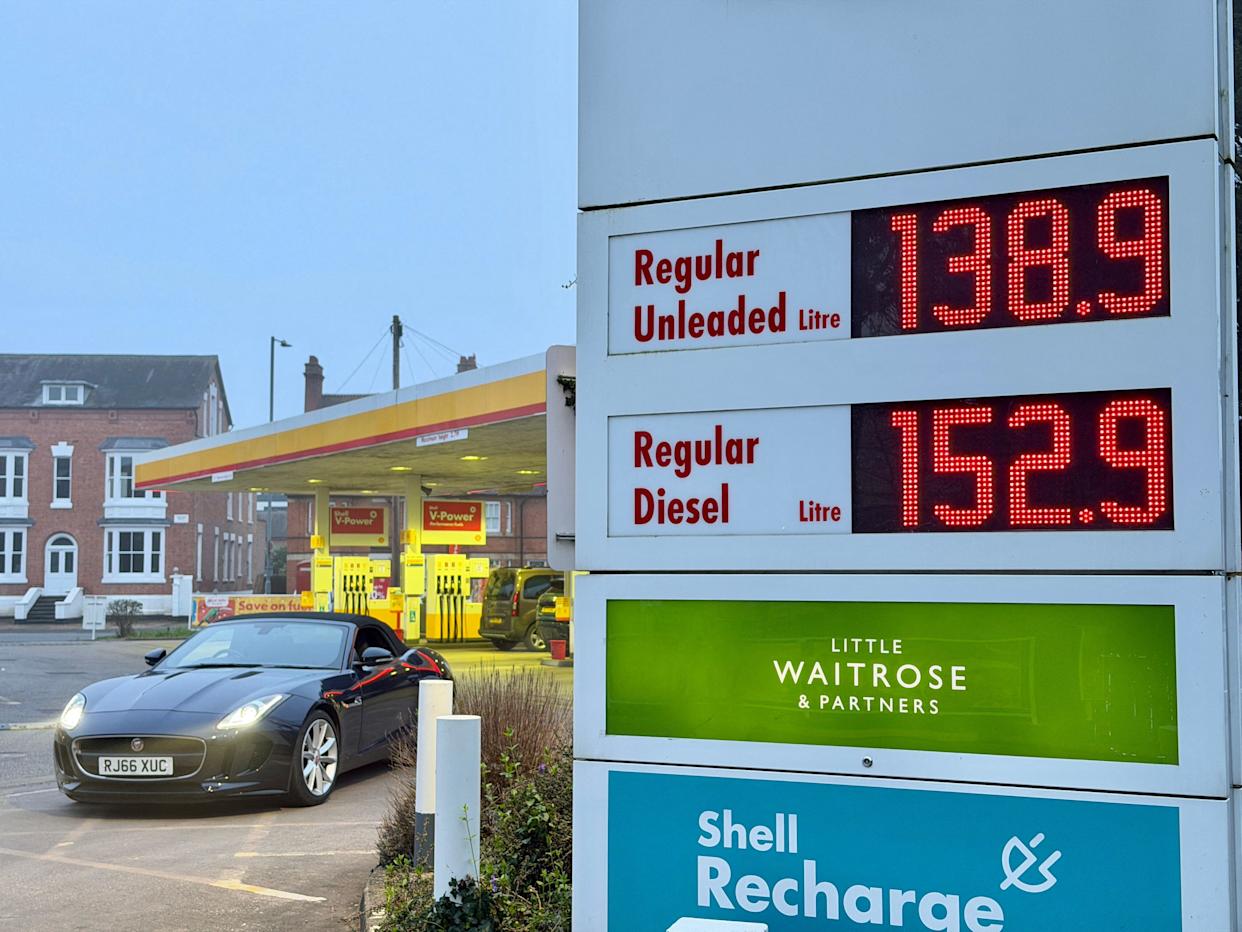
The government has warned petrol stations to avoid excessive price increases.
(Andrew Lockie)
While it recognised that businesses across the economy were likely to face significant pressures from rising energy costs, which could affect prices, it said fuel stations “should not exploit the situation”, adding that any evidence of this would be made clear in its update on pricing, “which will be published as soon as possible”.
RAC head of policy Simon Williams said: “Drivers tell us the cost of motoring is a major concern, and fuel is a huge contributor to that, so making sure they’re paying a fair price at the pumps is essential.”
He said: “RAC fuel watch data shows average prices have rocketed in under two weeks, with the average price of petrol increasing by 7p to 140p a litre and diesel by 16p to 158p. This has added £4 and £8 to the cost of filling up a family car.”
The concern around the price of energy has led the government to say a planned increase in fuel duty was being put under review.
Food bills
Although the UK imports very little food from the Middle East, the conflict could have a dramatic impact on the price of food.
The increase in the price of oil will cause a general increase in the price of food, as it is used in everything from transport to keeping tractors running.
The Gulf region is also responsible for a huge amount of natural gas exports, which are used extensively in the production of food in the UK.
Natural gas accounts for 60–80% of the input costs associated with the production of nitrogen fertilisers, which are used heavily in British farming.

The price of fertiliser is heavily impacted by the price of natural gas.
(robin chittenden)
Much of the food inflation crisis seen after the outbreak of the war in Ukraine was driven by soaring natural gas costs, which had a dramatic knock-on effect on fertiliser costs.
Professor Aled Jones, director of the Global Sustainability Institute at Anglia Ruskin University, told Yahoo News: “The Strait of Hormuz is a critical pinch point in global supplies of ammonia, and in turn nitrogen fertilisers.
“The increased costs of shipping through the Strait of Hormuz, as well as potential large-scale delays, will impact the availability of fertilisers globally, leading to a significant increase in costs.
“This conflict will therefore likely see short-term and immediate impact through higher energy prices, and medium-term to longer-term impacts through the availability and cost of fertiliser.
“Both of these are likely to lead to further food price inflation at a time when the conflict in Ukraine has already seen food price inflation pressures.”
Energy bills
The UK also uses natural gas extensively to heat houses and, although we are coming out of winter, it could still have an impact.
Only a small amount of our gas comes from the Middle East, but the UK is at the mercy of international markets.
Analysts at Cornwall Insight have forecast that household energy bills could rise by 10% from July, following sharp increases in wholesale gas prices.
This would mean Ofgem’s price cap for July to September surges to £1,801 a year for a typical dual fuel household – an increase of £160 or 10% on April’s cap.
However, it said the final price cap figure would be based on average wholesale prices over a three-month period, meaning that it would depend on how long gas prices stayed elevated and how long the period of volatility continued.