
Key Points
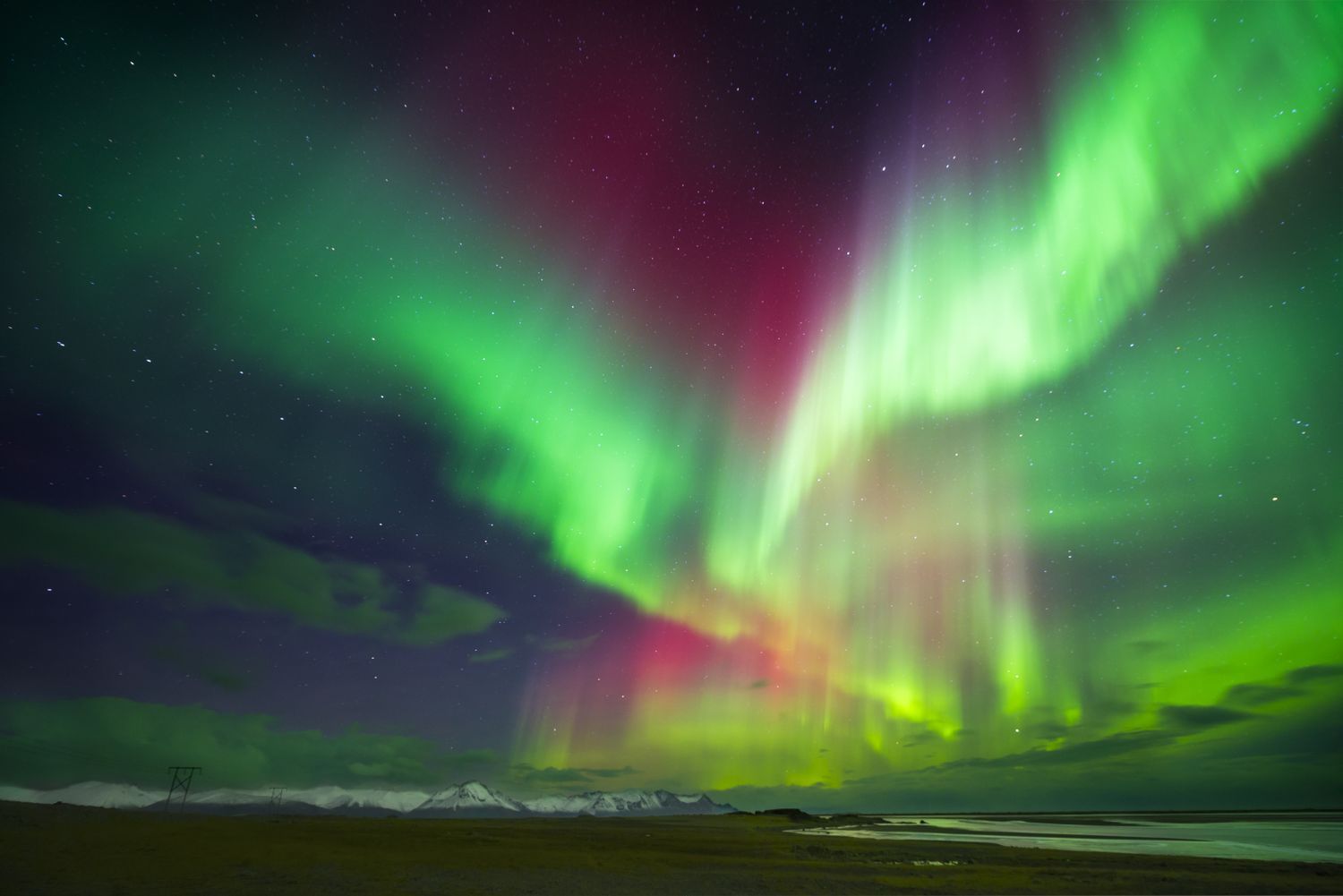
Minor G1 geomagnetic storm conditions are expected to develop starting tonight due to a stream of fast solar wind, potentially making auroras visible across parts of the northern U.S. through early Sunday, March 15. The Kp index is forecast to peak at 4.67, meaning the lights could appear farther south than usual.States with the best chance to see the northern lights include Alaska, Washington, Idaho, Montana, North Dakota, South Dakota, Minnesota, Wisconsin, Michigan, and Maine. Northern areas of Wyoming and New York may also catch a glimpse tonight and tomorrow night.For the best view, head outside between 10 p.m. and 2 a.m., find a dark north-facing spot, and use your phone’s camera to detect faint auroras.
Friday the 13th normally has some negative superstitious connotations, but today it brings something spectacular.
Starting tonight, auroras may be visible across parts of the northern U.S. and continue into the early hours of Saturday, March 14. According to the National Oceanic and Atmospheric Administration’s Space Weather Prediction Center (SWPC), minor G1 geomagnetic storm conditions are expected to develop today due to a stream of fast solar wind and continue through Sunday, March 15.
Based on the current forecasted aurora view line, which indicates the southernmost point where viewers may see the auroras, states with the best chance of experiencing the northern lights include Alaska, Washington, Idaho, Montana, North Dakota, South Dakota, Minnesota, Wisconsin, Michigan, and Maine. Those in the northernmost parts of Wyoming and New York may also get the chance to witness the colorful phenomenon tonight and tomorrow night.
During this time, the Kp index is expected to peak at 4.67 on a scale of 9. The higher the number, the further south the northern lights could appear.
Plus, the weeks surrounding the spring equinox (March 20) typically bring a greater chance of auroras because the Earth’s and sun’s magnetic fields line up but point in opposite directions, making it easier for solar wind to stream along magnetic field lines. This allows more charged particles to collide with our atmosphere, resulting in auroras.
If you want to catch the northern lights this weekend, head outside between 10 p.m. and 2 a.m. local time and look for a north-facing point with a clear view of the horizon, far away from light pollution. Be sure to give your eyes time to adjust and use your phone’s camera to scan the sky, as it’s better at picking up faint auroras than the naked eye.