
NMG has spent decades defending editorial independence through some of the region’s most turbulent political moments.
Founded in 1959 by the late billionaire philanthropist and spiritual leader Aga Khan, it aimed to give a voice to the majority African population, the company says in its profile.
The decision by the Aga Khan Fund for Economic Development (Akfed) to sell the business followed a review of its investments and a decision to focus on other sectors.
Churchill Otieno, who was a senior digital editor at NMG and is the current president of the Africa Editors Forum, said the change in ownership raised serious questions.
“For decades, NMG has not simply been a media company. It has functioned as part of East Africa’s democratic infrastructure,” he wrote in a post on LinkedIn.
“When ownership shifts, the critical issue is not merely who buys, but what vision of the public sphere accompanies that purchase.”
The fact that it has been owned by a development agency rather than a commercial conglomerate or political family meant that NMG was an “unusual institution”, another former senior editor at the group, Bernard Mwinzi, wrote on Facebook.
“That structure gave it a degree of insulation from the political and business pressures that often shape editorial agendas in the region,” he said.
“Now, Akfed’s exit signals the end of that model.”
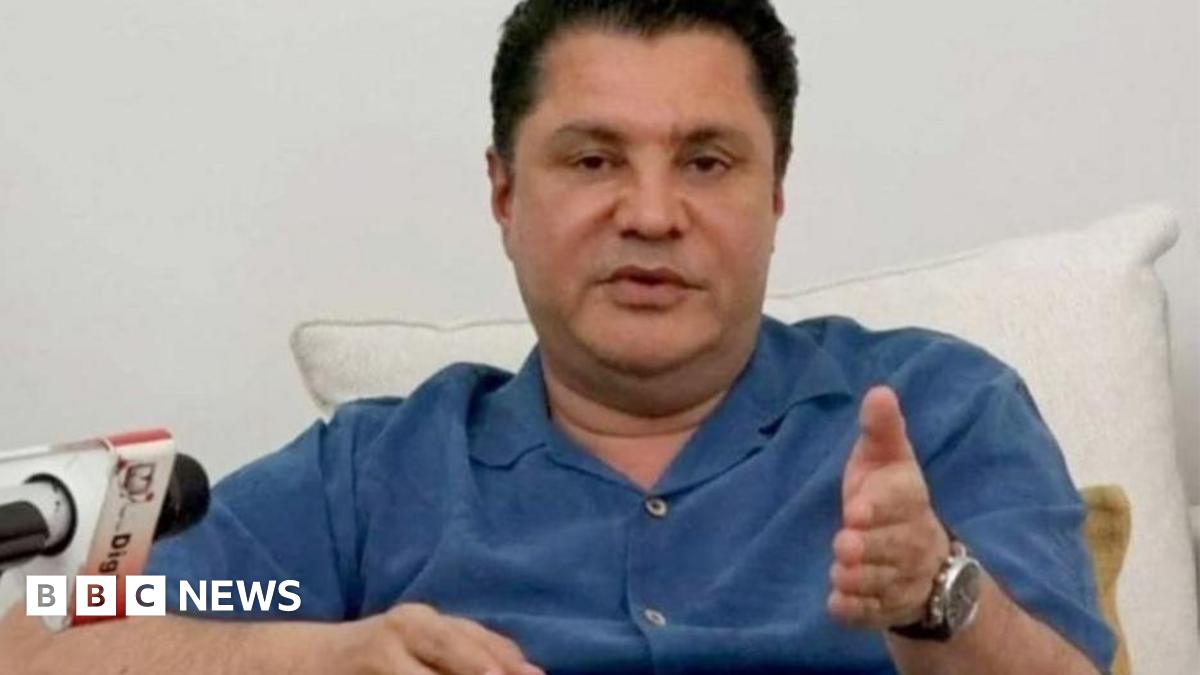
While Aziz promised to maintain NMG’s independence, it is his relationship with politicians, including Kenya’s President William Ruto, that makes people wonder if it can be insulated from those pressures.
His ties with Ruto were cemented through a major energy investment that the president championed.
Ruto commissioned Aziz’s Taifa Gas plant in the coastal city of Mombasa in 2023, calling him a “resilient investor” who overcame five years of government delays to get the deal over the line.