
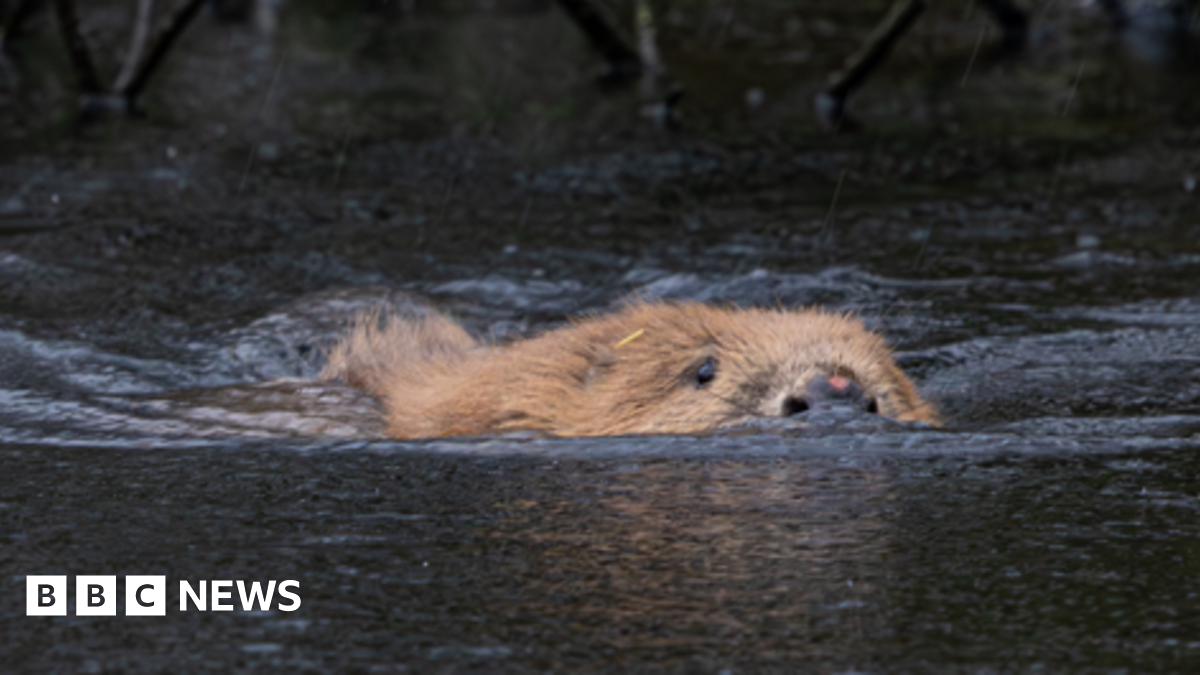
Beavers are often described as natural engineers. Their dams, ponds and burrows reshape waterways in ways that slow the flow of water, store carbon and create new wetlands rich in wildlife.
University of Exeter hydrologist Prof Richard Brazier said the Devon project has already shown measurable impacts and evidence suggests nearby villages such as East Budleigh have experienced less flooding, as well as other areas.
“They’re renowned for building dams that hold back the flow of water,” he said.
“They create wonderful systems of ponds which store water, often right at the top of catchments.
“In doing so, the water flows down through the catchments more slowly. It doesn’t occupy the floodplains where certain villages have been built, and other infrastructure like roads and railways now sit.”
He said evidence from another mature beaver site downstream of the Forest of Dean showed similar benefits, with multiple dams reducing flood peaks.
“With the new releases in Cornwall and in west Somerset, we’re going to see exactly the same behaviour because beavers do such a good job of keeping the water in the headwaters, where the rains falls heavily, and slowing that flow down through the bottom of the catchments where people live,” he said.
In Cornwall, two of the newly released animals have already paired up and begun building a dam – a sign Jasper said suggests they are “really happy on the site, keen to make it their home and develop it into their territory”.
She said that although it was too early to say what impact the latest releases were going to have in the long-term, as the project develops over the next 10 years, they hope there will be more beaver sightings across the catchment.