
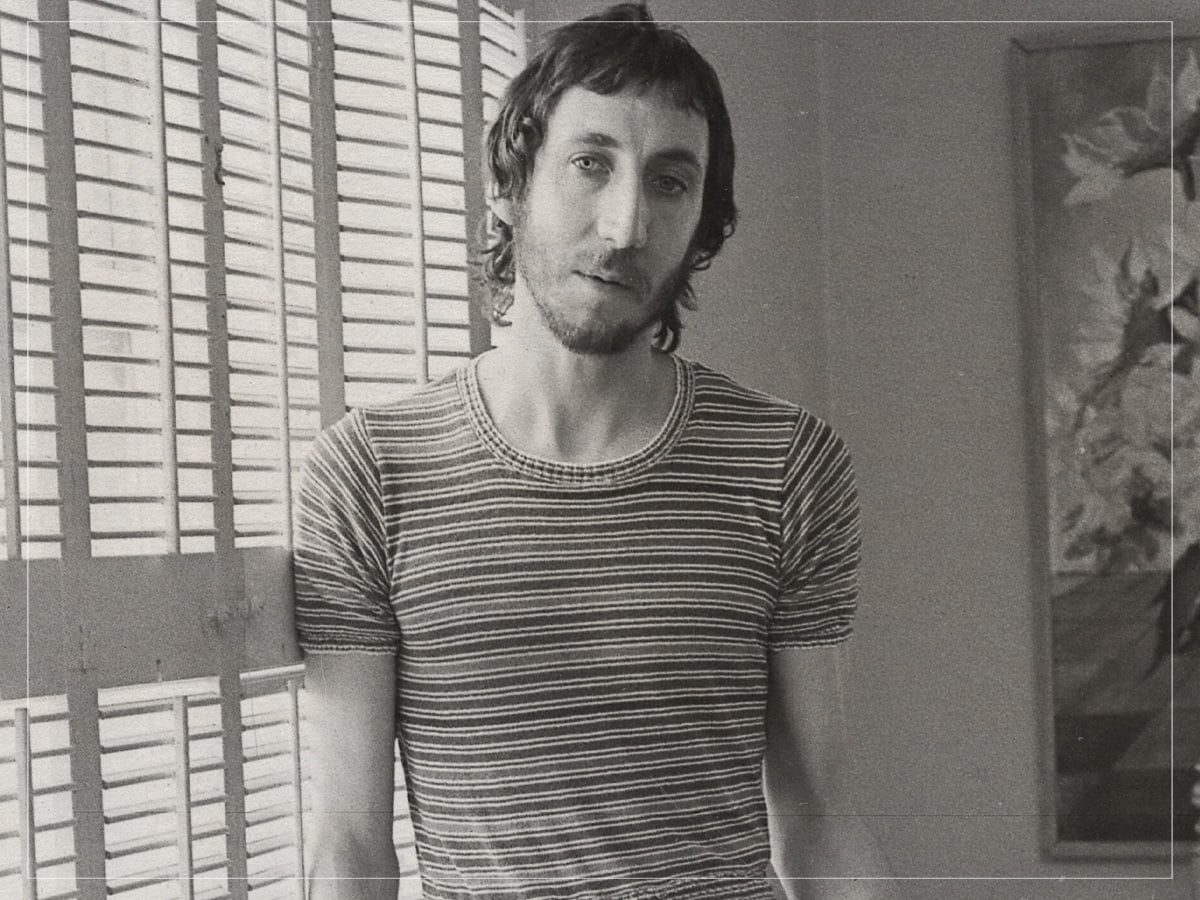
(Credits: Far Out / Harry Chase / UCLA Library)
Sat 14 March 2026 5:00, UK
Pete Townshend wasn’t one to expect The Who to be the greatest band to ever walk the Earth.
He had his finger on the pulse of what was going on in London at the time, but even if ‘My Generation’ changed the game for what a rock and roll single could sound like, he figured that the band would only last for a few songs before he decided to go back to art college. There was hardly any kind of ambition at all when it came to making those first records, but once the artsiness began creeping in, he realised that he had a much stronger medium on his hands than he initially realised.
The volume seemed to be only one element of it, and when working on a record like A Quick One, Townshend first had the germ of an idea about what rock and roll could do if it spread out. The concept album was still a relatively new medium for people to work in, but even if The Who Sell Out wasn’t the most ambitious idea that Townshend would ever think of, it was practically readying the pipeline for when the band eventually came through with Tommy.
The idea of someone using music as a means to communicate was the perfect medium for a rock opera, and while the album was certainly the first of its kind, it did put a bit of an albatross around Townshend’s neck. If this was what he sounded like on the first rock opera, just imagine what it would have sounded like if he refined everything on the next one, right? It would have to be twice as good, but that’s not really what happened on Who’s Next.
The original theme for Lifehouse fell apart before Townshend even had time to finish it, and while we got the scraps of what could have been on the next record, it’s still one of the finest albums that any rock and roll band has ever made. So now that he didn’t have any more momentum, the idea of putting out another rock opera would have simply been another space for him to play around in.
But the beginnings of Quadrophenia were far more ambitious than before. Townshend clearly had a better grasp on the medium at this point, and since everyone was taking different turns taking on characters in Jimmy’s life, it was all in service to one of the most cohesive-sounding records in their discography. So how come Townshend felt that the album was going to fall flat on its face?
Well, since Lifehouse was greeted with absolutely coldness from everyone, Townshend had no reason to believe that he had another classic on his hands, outside of the fact that he wrote some great songs, saying, “I was keyed-up, at the time Quadrophenia was ready to be released, for total failure. I kind of figured that was what I needed. I thought that was the only thing left that was gonna teach me any kind of lesson. That sounds nihilistic. And yet the failure wasn’t what I really wanted. I wanted continued success and everything, but somehow I was expecting it rather than working for it.”
And yet, Quadrophenia is actually the far superior record when putting it next to Tommy. While both of them are great in near-equal measure, there’s a lot more to explore on the band’s follow-up that actually makes it better in The Who’s discography, from the brilliant use of horns throughout the record to hearing some of the most emotional pieces of music Townshend ever made on ‘Love Reign O’er Me’.
There was a lot to take in on any one of the songs on that record, but after going through his own personal journey through the musical cosmos, Townshend seemed to have a much better gauge on what made a musical story work. Not all of the songs needed to be outright masterpieces, but going through the entire album, Quadrophenia works best when taken in as a complete body of work.