
You know how a non-fiction book is supposed to go: a big idea, expounded chapter by chapter, until the reader has been bludgeoned into submission by the conclusion. Matt Thorne, it seems, does not know this. This study of influence and animosity in the history of popular music is eccentric, passionate, sometimes confounding and always engrossing.
That is probably to be expected. Thorne’s previous work of non-fiction (he’s primarily a novelist) was a 600-page biography of Prince published in 2012 — an epic work of fandom that made zero concessions to the casually curious. Famous: Ego, Envy and Ambition in Pop, Rock and Hip-Hop shows that his obsessive tendencies run just as deep even when his subjects are spread more widely.
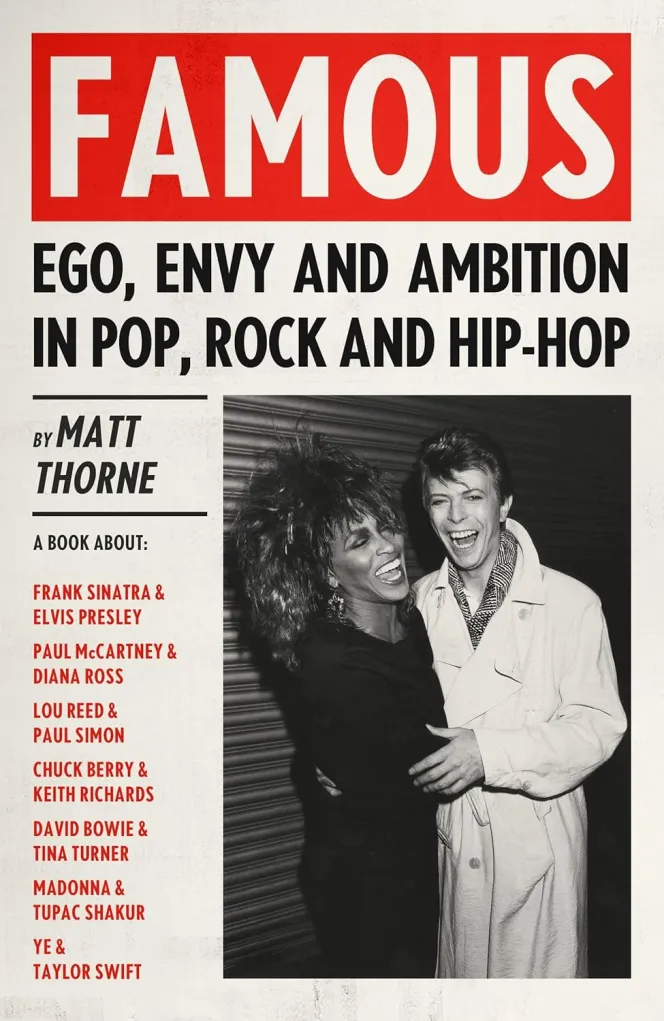
Thorne has chosen seven pairs of artists, from Frank Sinatra and Elvis Presley to Kanye West and Taylor Swift, whose relationships illuminate something vital about creation and performance. Performance in particular is crucial because this is, per the title, a book about fame. “Why bring fame into this?” Thorne writes. “Simply put, because a musician needs fame in order to achieve their ambitions in a way those working in other genres do not.”
This is the kind of confident, sweeping and extremely debatable proposition that Thorne loves to make. Elsewhere in this book, in an assertion of music’s pre-eminence over cinema, he declares that “even the films of the most controlled auteurs fall apart under analysis” — a statement that can only be admired for its complete dislocation from reality.
Books newsletter
News, reviews, author interviews and suggested reads from our literary editors.
Sign up with one click
But Thorne’s claim about fame has some logic to it, even if it’s not strictly true (clearly film stars use their fame to advance favoured projects, and even novelists can turn celebrity into capital — no JK Rowling, no Robert Galbraith novels). Pop stars are their personas, to an extreme degree. Every album, every concert, every interview is an instance of self-invention. A pop star is always playing themselves.
That’s been the case since the beginning of modern mass culture in the mid-20th century, which is why Thorne starts his story in 1960, with Presley’s appearance as a special guest on The Frank Sinatra Timex Show. Presley, fresh out of the army, represented the antithesis of Sinatra’s controlled, elegant style: an article published under Sinatra’s byline called rock’n’roll music “the most brutal, ugly, degenerate, vicious form of expression it has been my displeasure to hear”.
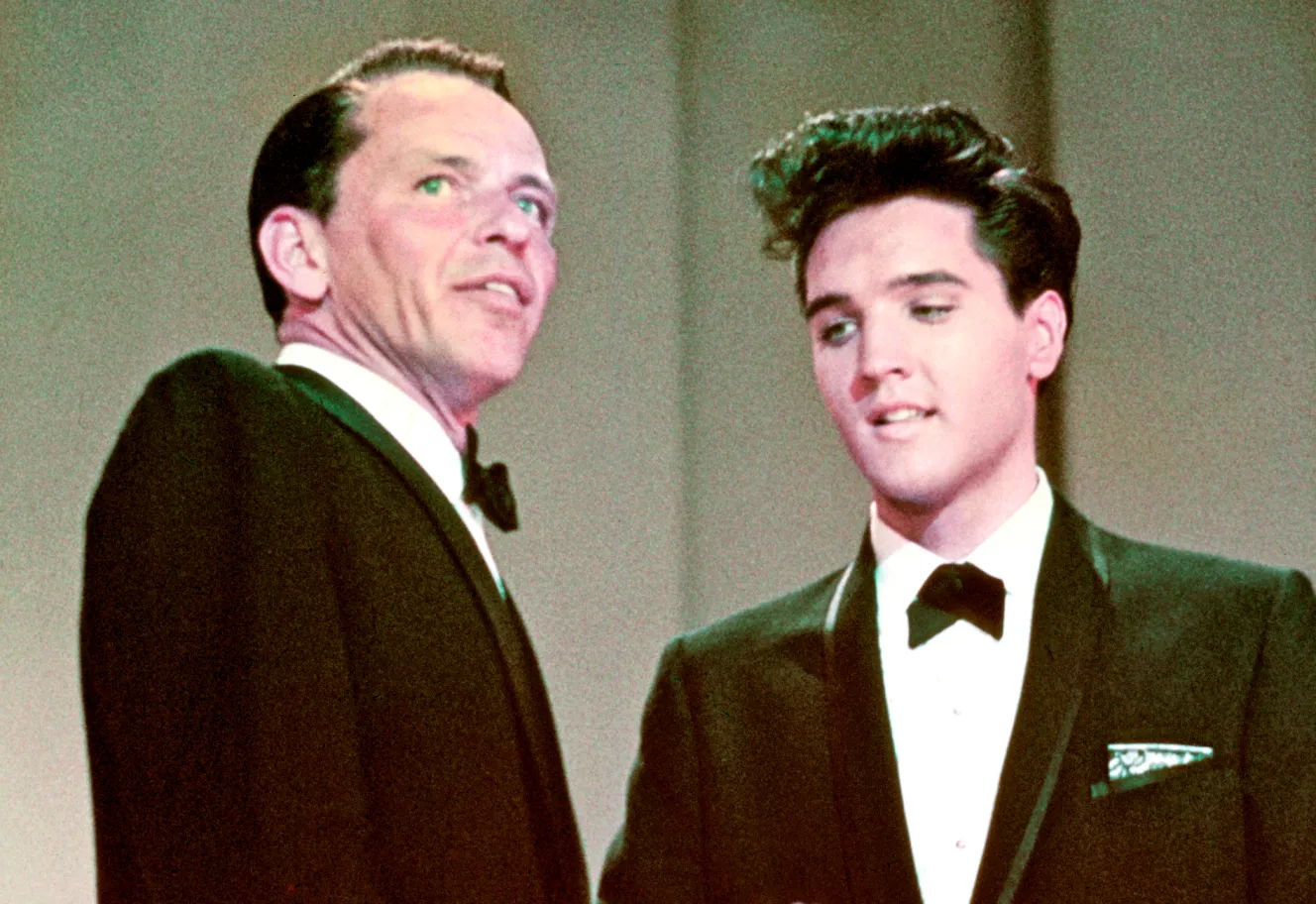 Frank Sinatra and Elvis Presley, 1960ABC Photo Archives/Disney General Entertainment Content/Getty Images
Sinatra later clarified that he didn’t mean Presley specifically, but for Thorne, the moment that the two men duetted represented a changing of the cultural guard: Presley was paying his due respects to Sinatra in the same way that incoming presidents once (before Trump, anyway) offered homage to their predecessors, while Sinatra was accepting the inevitable supremacy of rock’n’roll.
Some twosomes seem more contrived. Paul McCartney and Diana Ross are presented as creative rivals on the basis of a fairly offhand comment McCartney made after attending a Supremes gig in London in 1965. He called it “the showbusiness event of the year”, which Thorne claims is “a dismissal so poorly disguised as a compliment it sours mid-sentence”, but this feels like a scanty basis for the chapter.
Sometimes, Thorne has a clear favourite out of a chapter’s two subjects. Tina Turner and David Bowie make sense together — they collaborated, they performed live together, and they were rumoured to have been lovers. (Thorne repeats a scurrilous claim from lip readers that, during one on-stage duet, Bowie can be seen telling Turner: “My cock is still sore.”) But Thorne’s attention is much more on Turner than Bowie.
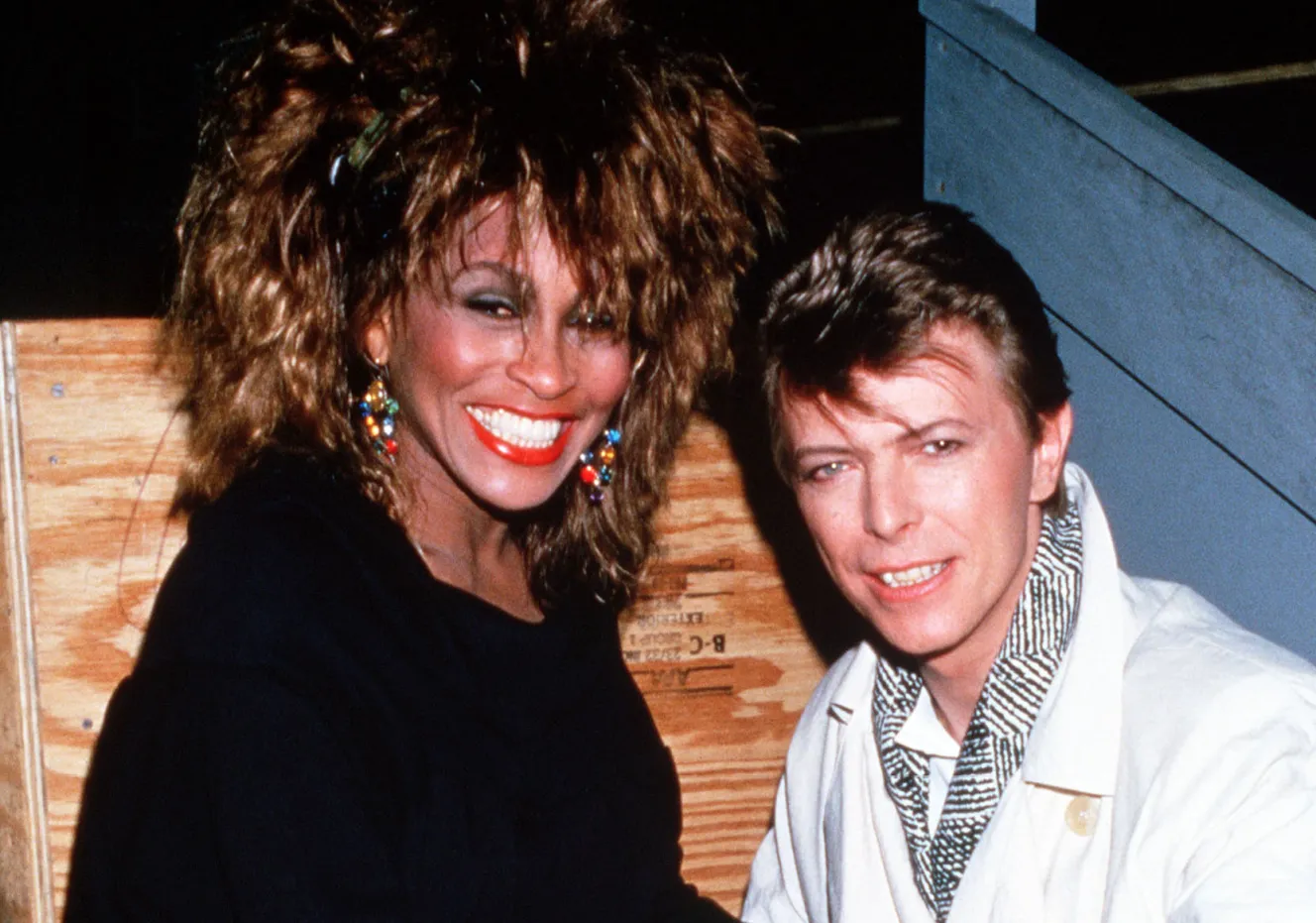 Tina Turner and David Bowie, 1989Dave Hogan/Getty Images
The comparison allows Thorne to write about Turner’s mid-career reinvention as an act of artistry, not just a work of personal grit. After leaving her spectacularly abusive husband and double-act partner Ike Turner in 1976, Turner could easily have been finished: Ike had battered and bullied her almost to destruction. Instead, she followed Bowie’s chameleon model — creating not an alter-ego like Ziggy Stardust, but a whole new arena rock identity.
Similarly, the chapter on Keith Richards and Chuck Berry is really about Berry, despite some interesting detail on Richards’s musical debt to his forerunner. This is fine because Berry is an incredible subject. In the 1980s, he could have reaped the rewards of being an elder statesman of rock’n’roll. Instead, he self-sabotaged with a heady mix of bullying and cheapness.
An attempted collaboration between Richards and Berry went south rapidly, with Richards realising (in Thorne’s paraphrase) that Berry was “a sadist”. He berated his backing bands and refused to pay touring musicians properly; in contrast to the Rolling Stones’ corporate professionalism, Berry’s shows were ugly and chaotic. He was also, as Thorne points out, a serial sex offender. One musician who played with Berry puts it succinctly to Thorne: “Chuck Berry was a c***.”
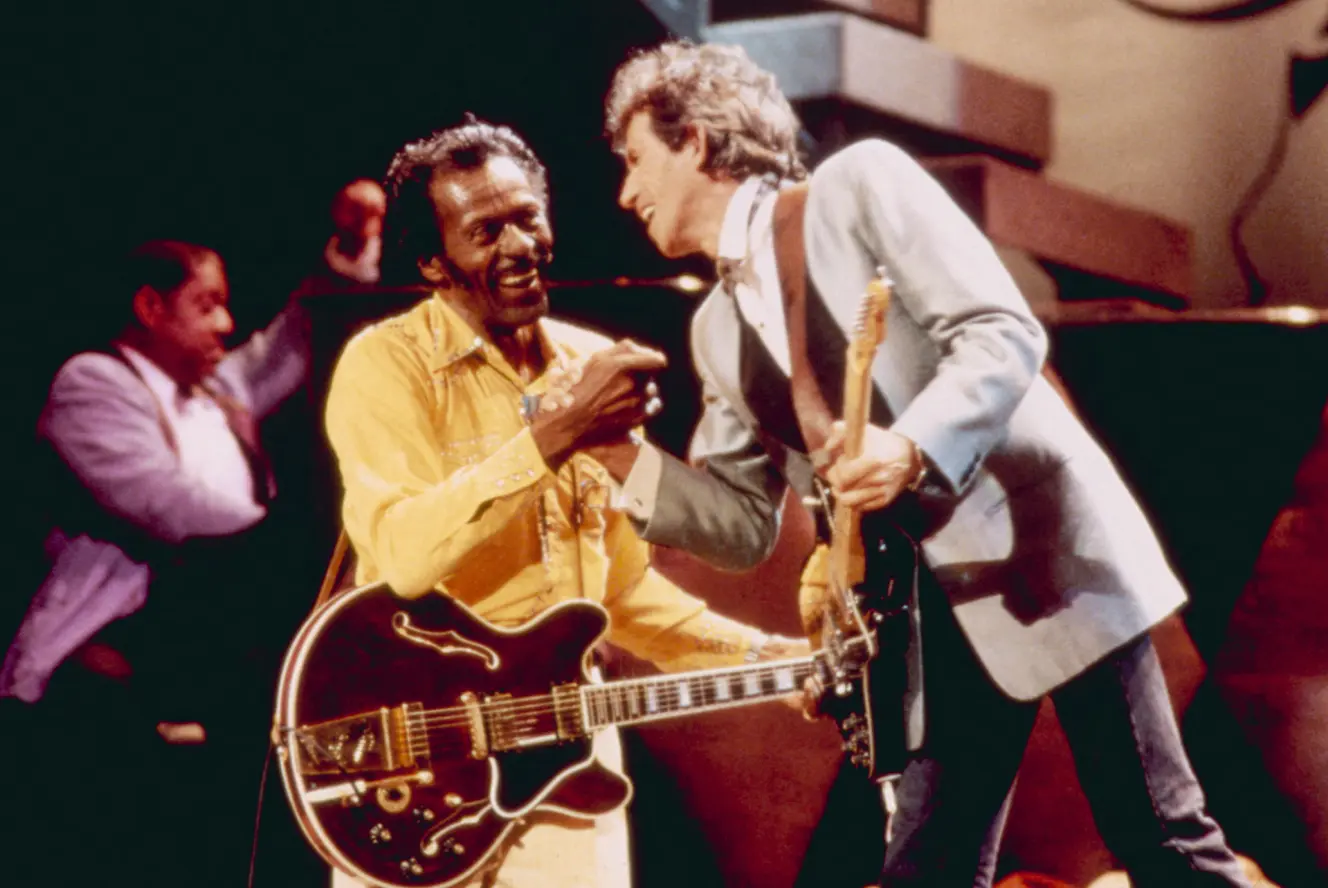 Chuck Berry and Keith Richards, 1987Alamy
The two strongest chapters, though, draw on genuine and enduring relationships between extremely odd couples. Paul Simon and Lou Reed were deeply different, as musicians and in their personality: Simon was the clean-cut people-pleaser with a passion for world music while Reed was druggy, grubby, near-pathologically hostile to other people and focused on New York.
But they were friends (Simon spoke at Reed’s funeral) and collaborators (Reed appears in the film One Trick Pony, which Simon scripted and starred in). And their overlapping careers tell a story about how stars adapt to failure: both their solo careers were initially flops, even though later success has obscured that fact.
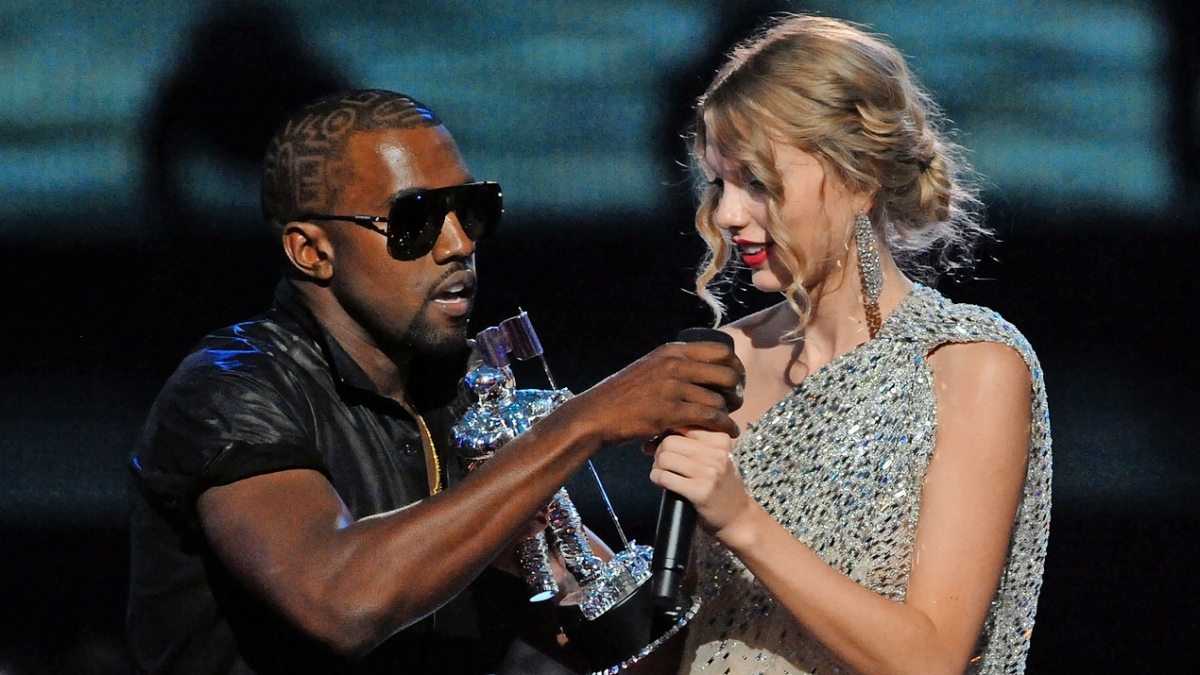
Thorne is best at the end, when he writes about Kanye West and Taylor Swift. He approaches both as a true fan, and tracks their creative responses to the reputational war that broke out between them after West at the 2009 MTV Video Music Awards notoriously crashed in on Swift’s acceptance speech, seizing the microphone to declare that it should have gone to Beyoncé.
Thorne is right to see this as the moment that defined both their careers. It spurred Swift towards her dark reinvention on the Reputation album, and the colossal commercial success of the Eras tour. For West, it was an early indication of his descent into mental illness, which later included dalliances with Nazism and outright antisemitism (even if the book is strangely reluctant to acknowledge that West might be unwell and not just unpleasant).
Thorne also identifies something important they share: both “turn their every emotional experience, no matter how traumatic, into art”, leading Thorne to wonder if “extreme exposure” is the only viable option for modern stars. It’s an intriguing end to a rich, rambling trip through the nature of celebrity. Thorne might not know the answer, but it’s a lot of fun to listen to him chewing over the evidence.
Famous: Ego, Envy and Ambition in Pop, Rock and Hip-Hop by Matt Thorne (White Rabbit £23 pp268). To order a copy go to timesbookshop.co.uk. Free UK standard P&P on orders over £25. Special discount available for Times+ members