
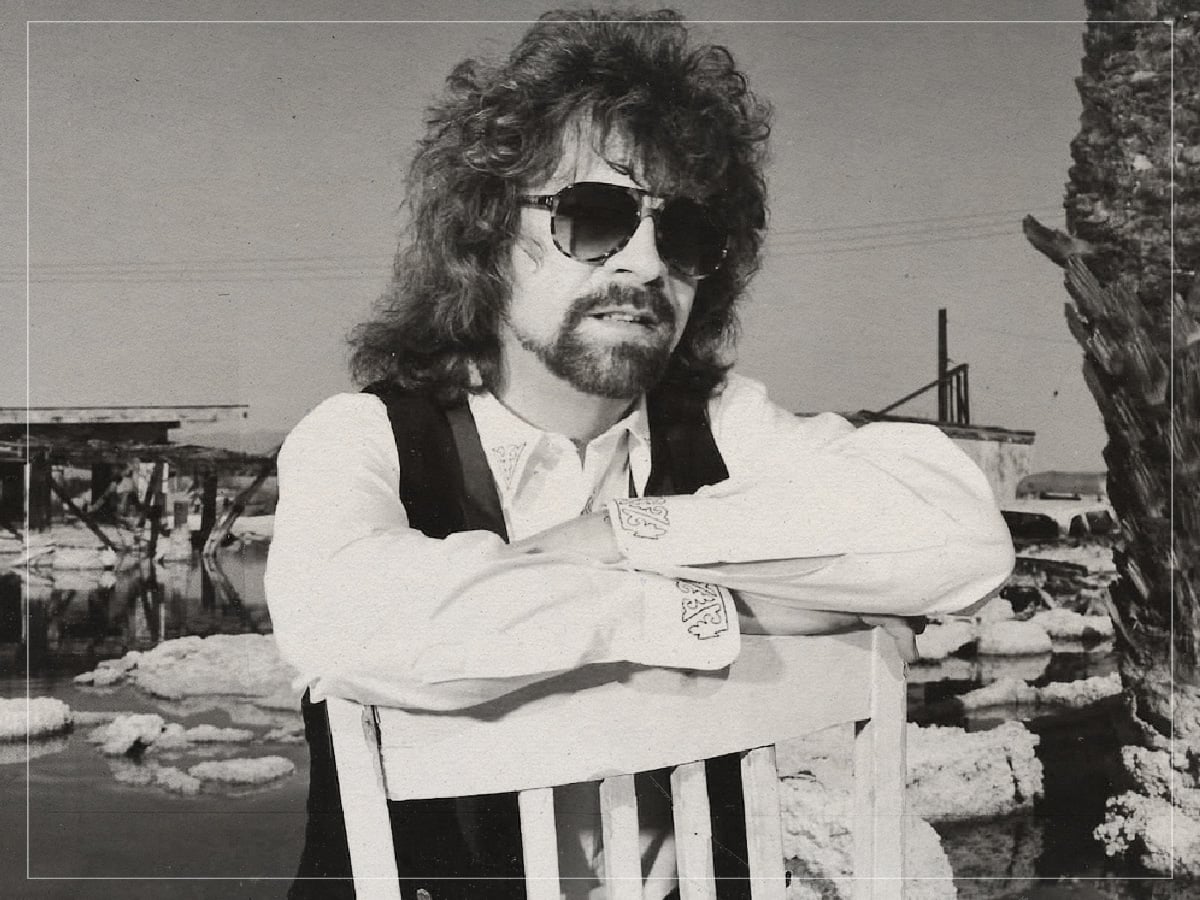
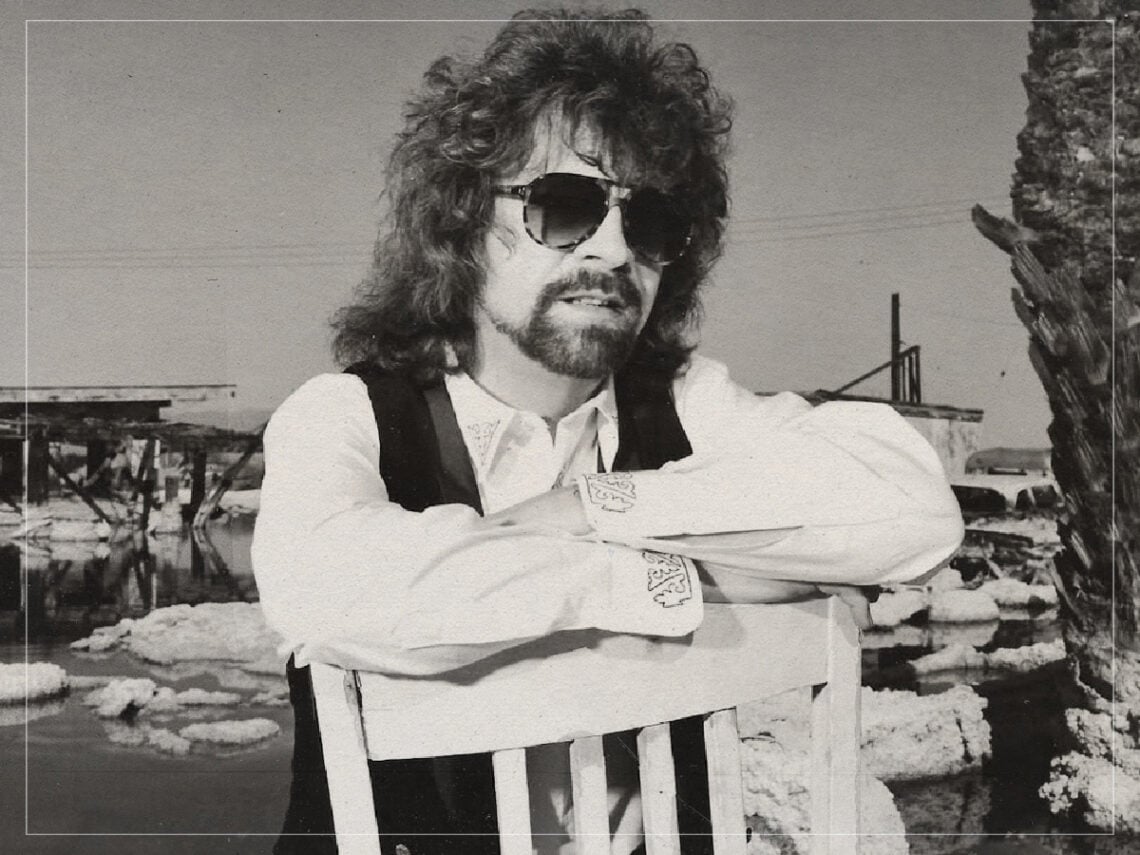
(Credits: Far Out / Jeff Lynne)
Sat 14 March 2026 17:30, UK
Jeff Lynne is nothing if not a student of all great pop songs.
The pop sphere might seem like one of the lighter genres of music when you break it down, but Lynne knows better than anyone that it’s the hardest thing in the world to try to capture that lightning in a bottle whenever you sit down with an acoustic guitar, trying to think of a song. It involves capturing a little bit of magic every single time, but when writing lyrics, Lynne felt that some emotions hit a lot harder than others every single time.
But when Lynne first started, he initially had no interest in hearing some of the lyrics. He was in the business of making songs that had melody over anything else, and even when he listened to those early Beatles records that set his heart ablaze, there was a good chance that he was listening for the sounds of the words rather than the actual meaning of them or the poetry that they were trying to bring across.
That might sound insane considering this is the same person who would one day work with a lyricist as dense as George Harrison, but that was how Lynne saw it. If there was no melody, there was no chance that it was getting on the charts, and when you eventually got to the lyrics, it was open season on whatever warped idea got into people’s heads. I mean, Lynne grew up in a time where we gave 32-year-old Ringo Starr permission to sing ‘You’re Sixteen’, so it wasn’t like too many things were off the table.
And when you look back at the best Beatles songs, there’s usually one theme uniting every single one of them: love. The Red Hot Chili Peppers don’t sing about California as much as the Fab Four sang about love, and even if that could get old really fast, it actually never did. Maybe it was because their sound was changing so much, but love is the kind of universal emotion that anyone with a pulse is going to be able to relate to, but Lynne was focused on the opposite side of the spectrum.
Not all of his songs were angry by any stretch, but when hearing some of his more heartfelt tunes, it’s usually about coming from a more depressing place than most. That might sound like he’s spending his entire career whining about his love life, but when you’re dealing with someone who has studied under Roy Orbison, it means so much more than someone listing out their problems for a few minutes.
Orbison knew how to tug at people’s heartstrings, and Lynne felt that he held the key to what great songwriting was supposed to be, saying, “I picked up that sad song thing from Del Shannon and Roy Orbison. I knew Del Shannon very well. He was my first favourite. And Roy Orbison was too, and his songs were mainly sad. I used to love those songs and be, ‘Fuckin’ ’ell.’ Sometimes sadness is the greatest thing to listen to. Because you can hear; if you’re feeling sad, it’s like, ‘I’m happy now ’cos that’s exactly how I feel.’”
And that really is the key to what makes a lot of those ELO records work so well. ‘Telephone Line’ is one of the most beautiful songs about being hung out to dry in the rock and roll canon, and even when he’s writing tunes that are a lot more optimistic, a track like ‘Can’t Get It Out of My Head’ is still absolutely gorgeous because of how bittersweet it feels when listened to in the right context.
Lynne didn’t get into the business to make people feel sad by any stretch, but when someone taps into the form of entertainment, it wasn’t about trying to be a happy-go-lucky singer anymore. He wanted to make people feel something, and that often came from those that had a lot more rain in their hearts than they would have liked to admit.