
The discovery was made by experts at the University of Ottawa in Canada, who recreated winter conditions in the laboratory.
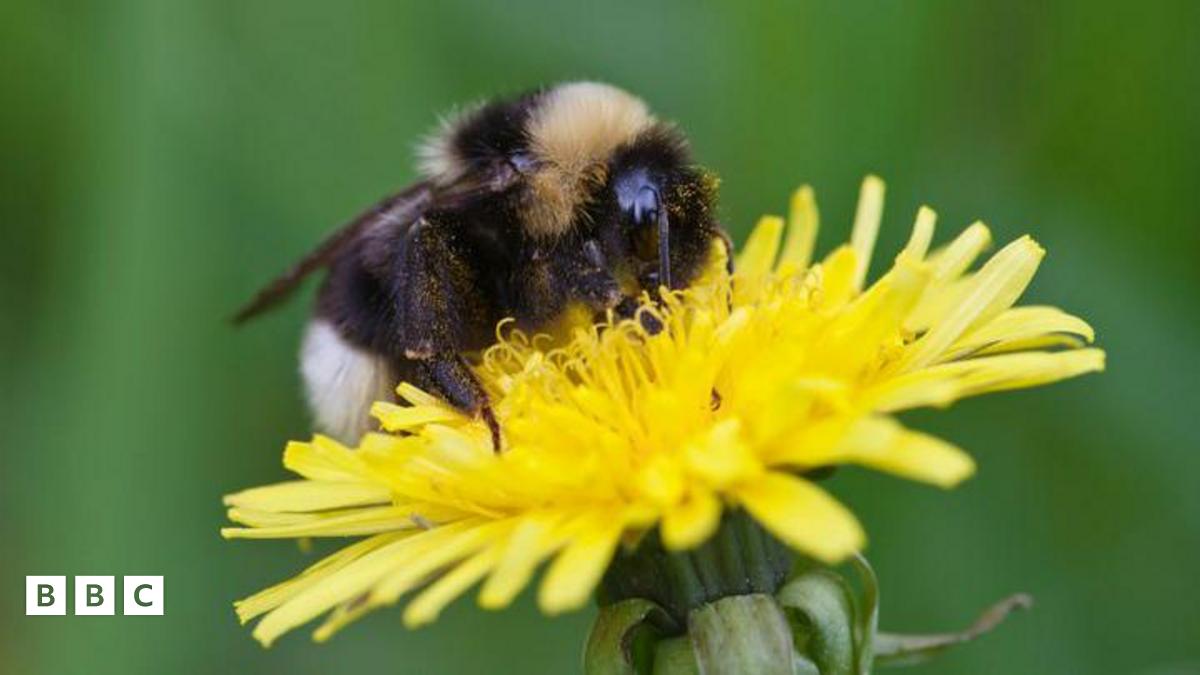
Every year, bumblebee queens spend the cold months resting underground, before starting new colonies in spring.
The team say the surprising discovery is possible thanks to two separate factors.
The bumblebees are able to slow their bodies down so much, that they barely need any energy at all.
At the same time, they can also breathe underwater, thanks to a thin layer of air surrounding their bodies.
Scientists say their research proves just how tough these little insects are, and that they may be able to adapt better than previously thought with changing weather, brought on by climate change.
Professor Charles-Antoine Darveau, from the University of Ottawa, explained: “This study shows how resilient these pollinators are.
“Understanding these mechanisms helps us predict how bumblebee populations might cope with increasingly frequent spring floods,” he added.