
That is just one sector, but an important one: it’s often cited as a barometer for underlying economic performance and inflationary pressure. And it’s an important reminder that the risk of second-round wage and inflation from shocks like higher energy prices is much diminished compared to 2022. Most BoE officials were increasingly reaching this conclusion too at the December and February meetings.
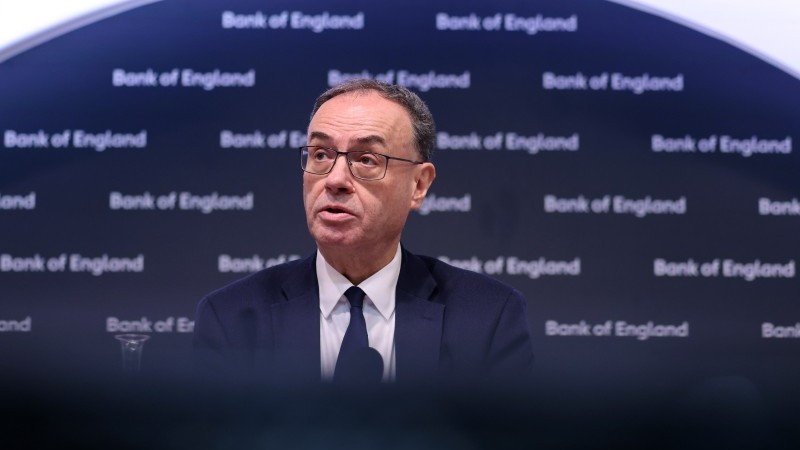
So where does that leave the March meeting? A rate cut is clearly off the table, where it had been looking highly likely before the Iran invasion. At a minimum, Governor Andrew Bailey, who would have likely had the deciding vote, will be minded to vote for a pause.
At this stage, it’s too early to say anything sensible about the precise macro implications without knowing how long the conflict and closure of the Strait of Hormuz will last. And with no press conference or forecasts this month, we suspect the Bank will use the policy statement simply to play for time, with forward guidance that says any further rate cuts will depend on the evolution of energy prices and the impact on expectations.
The main question is how many officials do still vote for a cut. We suspect Swati Dhingra and Alan Taylor, both determined doves, will keep doing so. Our base case is for a 7-2 vote in favour of no change. If more officials vote for a cut, then that should help temper the rate hike pricing within markets.
Ultimately, we still think the next move in rates is more likely down than up. If by the time of the April meeting, energy prices have fallen back – say to 70-75 USD/bbl on oil and 35 EUR/MWh on gas – then we think there’s a chance the Bank could still cut rates at that point. Such a scenario would point to headline inflation staying below 3%, which officials would be minded to “look through”.
In a scenario where the disruption lasts longer, risking inflation closer to 4%, then the Bank will likely be more cautious. We suspect it would wait and see how firms react in surveys through the summer, on questions like wage growth expectations. That would point to a prolonged pause, but we think we could still see further easing later in the Autumn/into winter.