
Current drugs control symptoms and triggers, which means sufferers get far fewer migraine days and can continue with daily life.
While no research is close to finding the root cause, oestrogen is a major trigger of migraines and family genetics is also a factor, Ahmed explains.
He says a new generation of drugs being developed in Denmark means the number of untreatable migraine cases could “come down to about 2 to 3%”.
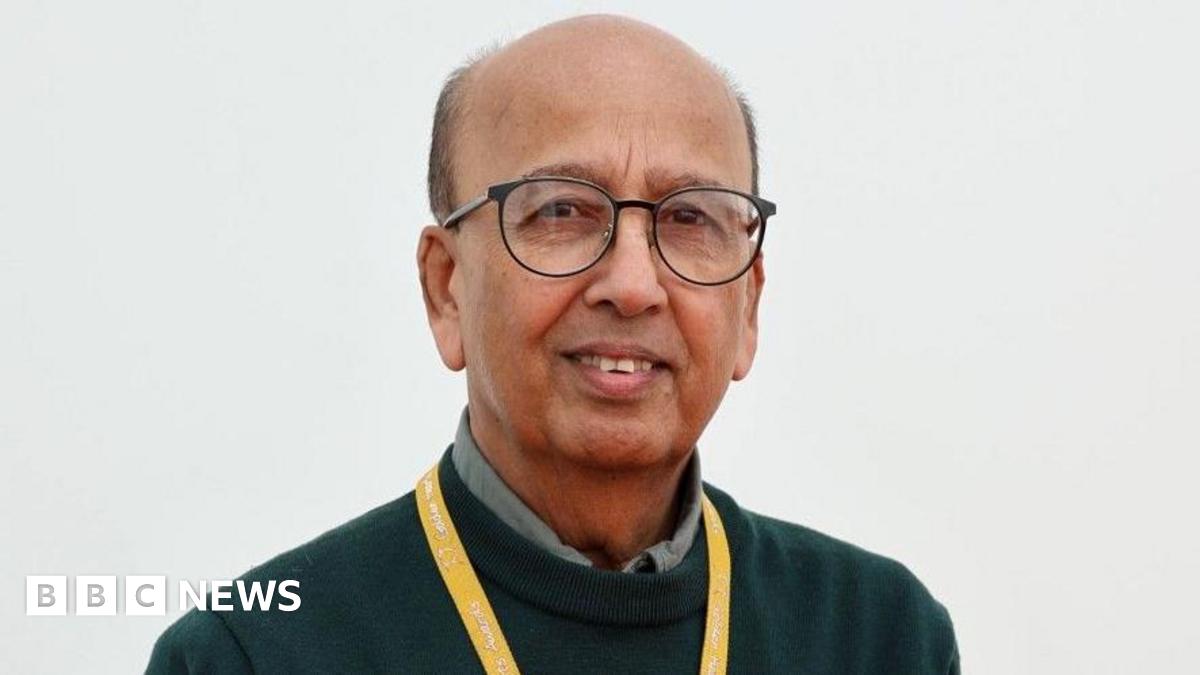
Ahmed, who is now partially retired, is also an honorary advisor with the British Association for the Study of Headache.
He says he faced some scepticism when he suggested establishing the UK’s first dedicated NHS clinic to treat patients with Botox.
“I wanted to be the first one to set up a clinic for the benefit of the patients and I managed to do that and that is, I feel, quite a big achievement for me.”
Now, 14 years on, Ahmed says he has turned his attention to “training the next generation of doctors”.
He is also raising money via the proceeds from the sale of his new book to fund research by PhD students.
The book, titled Beneath the Dust, external, recounts his childhood in Pakistan and journey from medical school to the UK, as well as his work and research in the field. Proceeds will go to the Migraine Trust.
Ahmed says reading positive comments from patients on social media makes him “feel very happy that I have been a part of people’s life changing experience”, knowing he has made a difference to their wellbeing.