
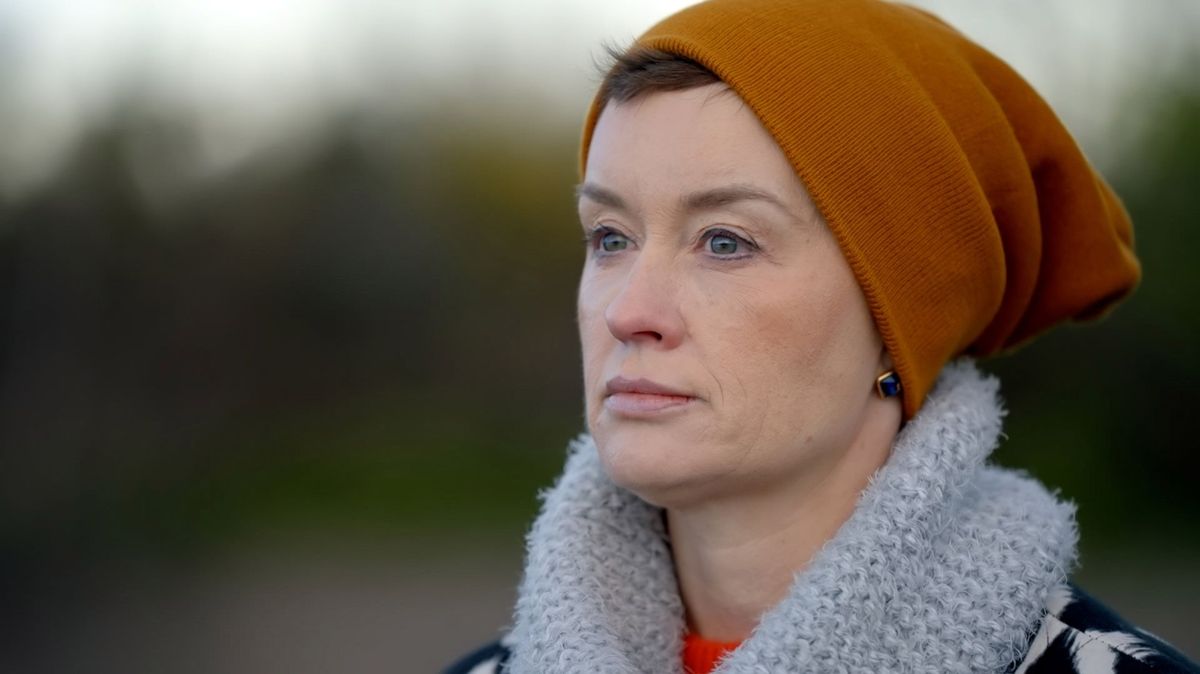
In a new documentary, broadcaster Maxine Hughes gives an unfiltered account of what it’s like to experience cancer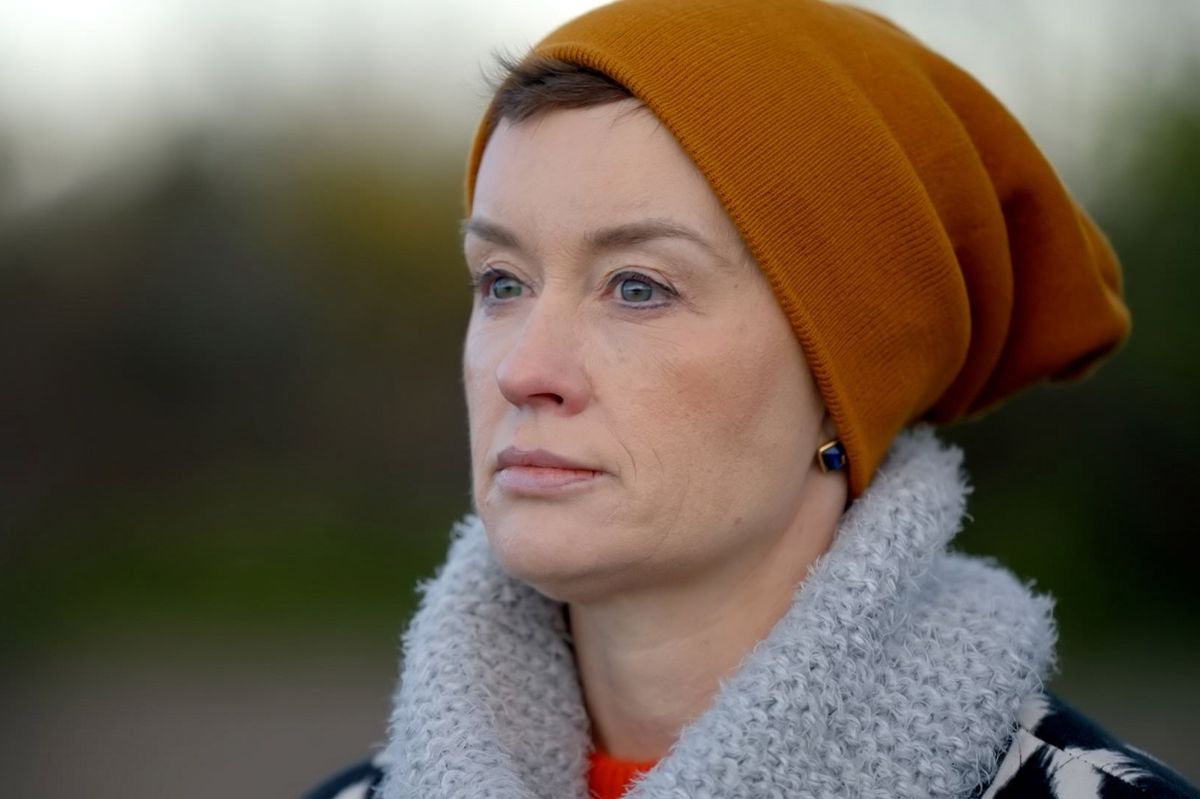
Maxine gives a candid account of her cancer journey(Image: S4C)
When Welcome to Wrexham star Maxine Hughes was told she had breast cancer, she initially hid her diagnosis. Later, she as she became more open about it, she began delving deep into the reality of cancer care in Wales. She says her findings, to be aired in an S4C documentary next week, were deeply troubling.
In late 2024, life took a sharp turn when the mum-of-two discovered a lump on her chest. As she was living in the US, and had insurance, the treatment pathway was prompt and effective. It needed to be: Maxine, now 46, was diagnosed with triple‑negative breast cancer, an aggressive form that not so long ago was untreatable.
Endless rounds of chemotherapy were followed by a double mastectomy. Maxine, originally from Conwy town, insisted a TV crew film the procedure, wanting to be brutally honest about her cancer journey.
While undergoing months of post-op immunotherapy, and embarking on chest reconstruction, the broadcaster began investigating the state of cancer care in Wales. Though Maxine had become familiar to a global audience, through her TV work with Wrexham AFC owners Ryan Reynolds and Rob McElhenney, her journalistic lens remained focused on the country of her birth.
What she found left her deeply concerned. “I often wonder if I’d found the lump when in Wales, whether the outcome would be the same as I experienced in the States,” she said. “I can’t say definitively, as the two systems are so different.” In her documentary, she’s more blunt. “I’d be dead if my treatment had been in Wales,” she concludes.
The Welsh Government accepts more needs to be done to prevent cancer. It said tens of millions of pounds are being invested in new cancer facilities to improve outcomes. Sign up for the North Wales Live newsletter sent twice daily to your inbox
Maxine first arrived in the US on a football scholarship – she’s a former judo and acrobatics international. She moved back across the Atlantic before settling in Washington DC full-time and is now married to Sally Ayhan. The couple have two boys, Iori and Manu.
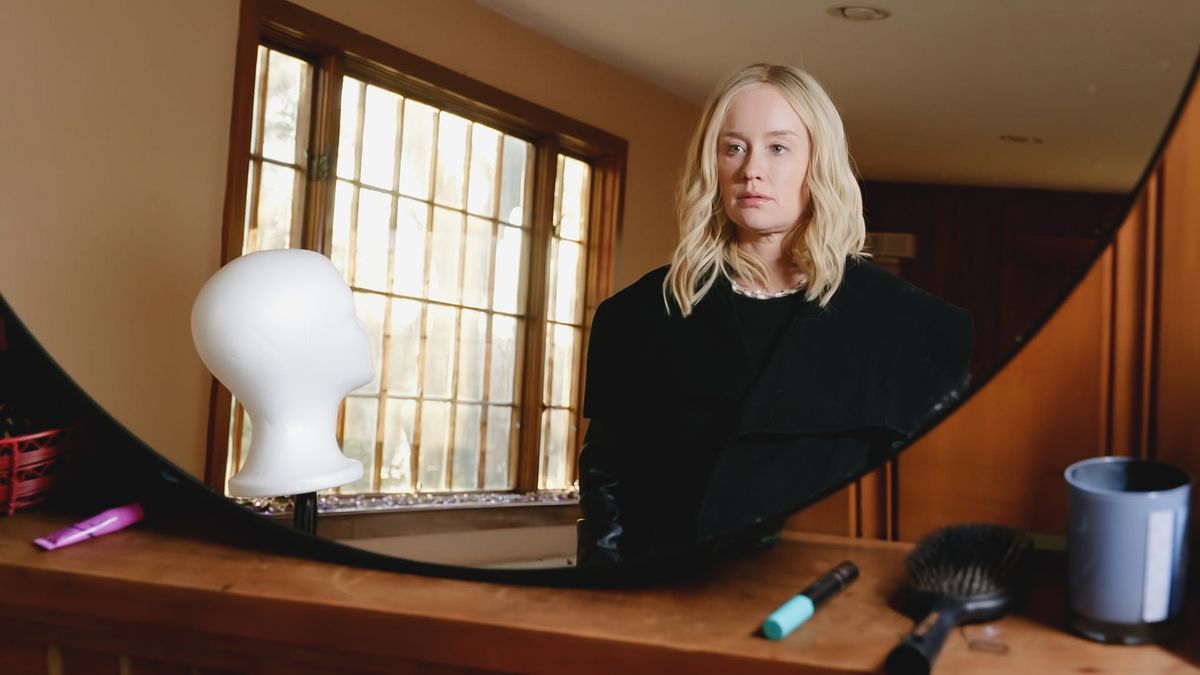
As soon as she was diagnosed, Maxine ordered a wig(Image: S4C)
It was during a Christmas trip to Australia, visiting her wife’s family, that she found a lump on her chest. She was shocked – more so as she’d had a clear mammogram the previous October and “checked all the time”. Just a few days earlier she’d received the heartbreaking news her dad John had died, aged 80.
Back in the States, tests confirmed the worst. As it was such an aggressive type of cancer, “red devil” chemotherapy began immediately. Not long after, so did the documentation of Maxine’s cancer journey.
“It was a strange experience given that my day job is getting people to tell me their stories,” she said. “When I was diagnosed, I became the story and my journalistic instinct was to document it.”
Her aim was to give an unfiltered account of what it’s like to experience cancer: how it feels and the things no one tells you about – how her nails fell out, how dust kept getting in her eyes after losing her eyelashes and how she suffered constant bloating, swelling and water retention.
“It was an opportunity to have a different conversation about the things people wouldn’t normally see,” said Maxine. “When you get cancer, you enter a whole new hidden world”.
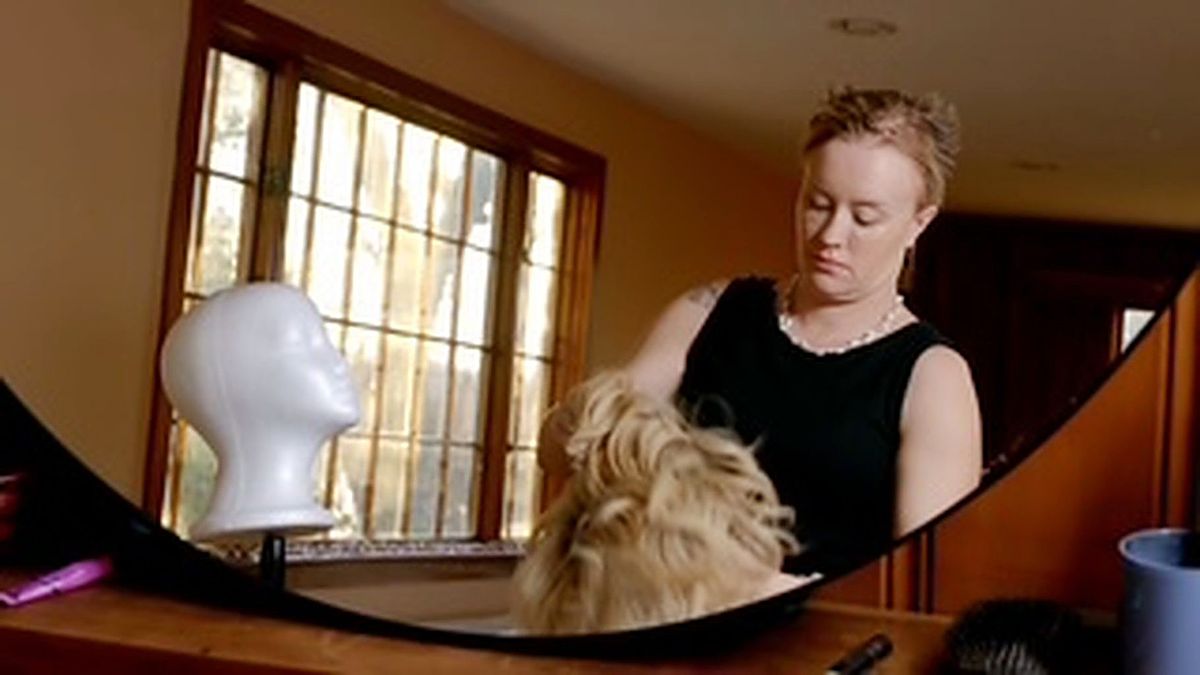
Maxine after chemo with her ‘hedgehog hair'(Image: S4C)
Hair loss was expected but it was still traumatic. “As soon as I realised I would lose my hair, I quickly had a wig made so I could continue working on screen. I didn’t tell my colleagues until my chemo was almost finished – I didn’t want to be looked at differently, I wanted to continue as normal,” she said.
Her diagnosis was kept within her close circle of family and friends. Even her boys were kept in the dark as she didn’t want them worrying: she didn’t speak about it openly in front of them and she never revealed her baldness to them.
The aim was to smile through the process so their lives weren’t disrupted. Later, they were to have a cameo in their mum’s cancer documentary.
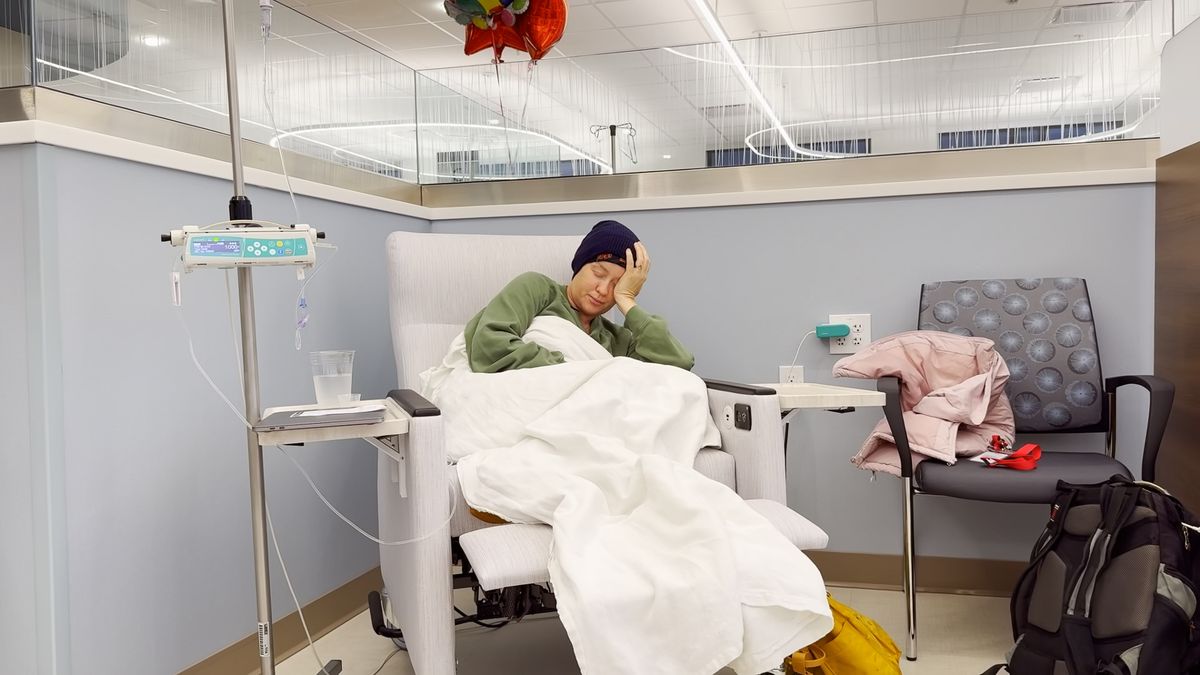
Undergoing chemotherapy was exhausting(Image: S4C)
After 20 exhausting rounds of chemo, she faced the prospect of a double mastectomy. First she had a very important date back in Wales, having been invited to be President of Wales and the World at the 2025 National Eisteddfod. “I was in hospital when the email came saying I was being honoured by the Gorsedd,” she said. “I nearly fainted, I was so happy.”
That the event was in Wrexham made the trip more poignant, as her later father’s family was from the area. “It was good to be back in Wales with family and friends, it took my mind off things for a while,” she said.
To make it back to Wales for the Eisteddfod, she’d pleaded with her consultants to delay her operation. They acquiesced, but not for long: “I flew back on the Sunday and I had surgery on the Monday.”
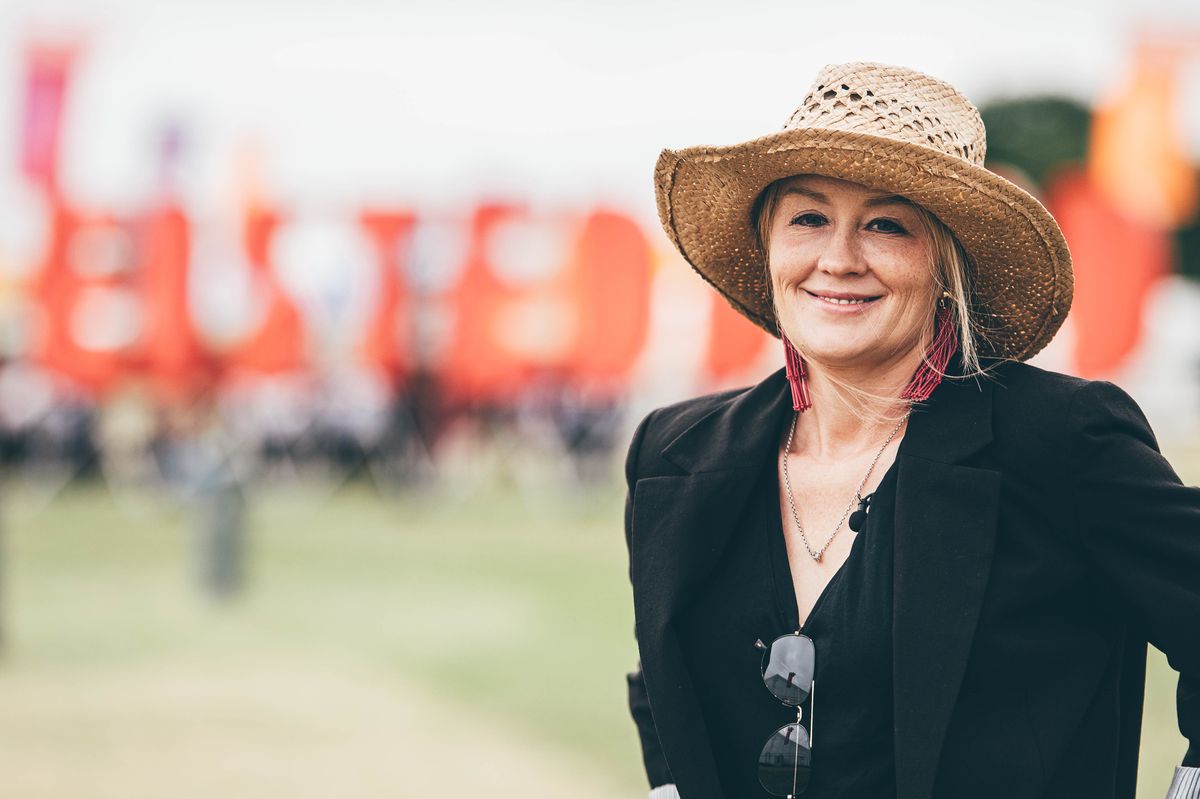
Maxine at the 2025 National Eisteddfod in Wrexham(Image: Aled Llywelyn)
Women undergoing mastectomies can struggle with body image and femininity. Maxine was content to go ahead with only minimal breast reconstruction and is now eager to normalise this an option for other women.
Despite consenting to document the procedure on film, it was still a daunting process. “It was quite exposing having cameras filming me throughout my surgery,” she said. “It’s the same with my reconstructions. Cancer is not pretty but my instinct was to be honest and straight so that people see the reality of what happens.
“I now feel like I’m living in a very precarious world. With every ache and pain you worry it’s re-emerging. Cancer makes you see the world in a very different way: when you get it, life is never the same again.
“My hair loss was the biggest thing for me. It grew back but completely differently. Whereas before I has straight blonde hair, it came back dark brown and stuck out like a hedgehog!”
Luckily, she had insurance. “In the US, if you have insurance you get treatment, if not you can go bankrupt, so it’s not a like-for-like comparison with the NHS. I was lucky, I had insurance, but I’m aware some people have a terrible time in the US system,” she said.
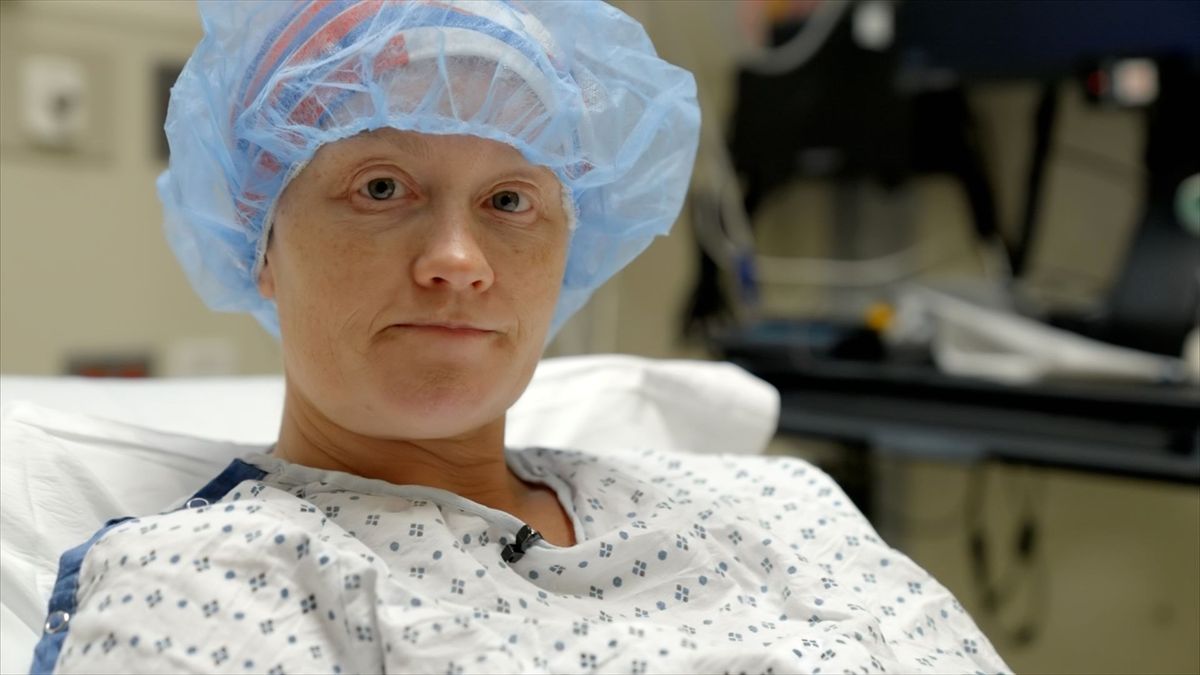
Maxine opted for minimal reconstruction after her double mastectomy(Image: S4C)
Through it all she continued working and parenting. When training the spotlight on cancer care in Wales, her investigations uncovered disappointing statistics pointing to a system under pressure.
According to 2024 analysis by the Less Survivable Cancers Taskforce, which compared outcomes in 33 similarly wealthy nations, Wales was among the worst performers. For stomach cancer, the country ranked 32nd; for pancreatic and lung cancer, it was 31st. People with liver and brain cancers were faring better, ranking 21st and 12th respectively.
The Welsh Government said international comparisons were difficult because of the large differences between countries in terms of age profiles, population risk factors and cancer registration processes.
Compared with England, the benchmark of success is set lower in Wales. This is defined by the Suspected Cancer Pathway (SCP) – how many people take 62 days or less from the “point of suspicion” to first treatment.
In Wales, the target is for 75% of patients on the SCP. In the most recent 12-month period, only 61% were reaching the target – up from 51.9% in January 2023. Plans to increase to the SCP target to 80% in 2026 have now been scrapped.
In contrast, the NHS in England aims for 85% of patients to start their first definitive treatment within 62 days. In December 2025, it was under-performing but still well ahead of Wales, with 72% of patients hitting the two-month target.
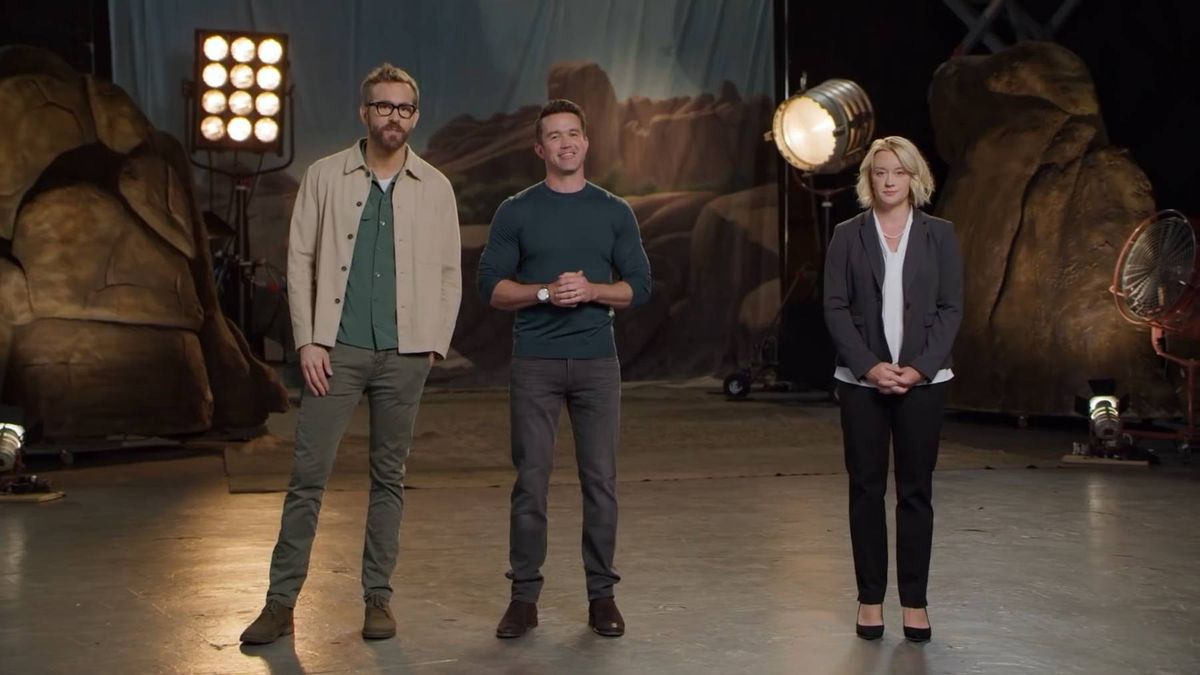
Maxine became a globally recognised voice the Welcome to Wrexham translator, gently chiding Ryan Reynolds and Rob McElhenney as they grappled with the Welsh language(Image: FX Networks/Youtube)
Maxine said: “The NHS is excellent but cancer care wait times in Wales are amongst the worst in Europe. Strategy and policy in Wales is not serving people with cancer.
“For people with suspected cancer, waits for treatment can be a drawn-out process here. If you suspect something, you have to go to your over-stretched GP and hope to be referred to a specialist. Then you need scans and biopsies and waits for diagnosis… it’s a very long window. If the cancer is aggressive, it could metastasize in that time.
“The most worrying thing is that there is no 10-year cancer strategy in Wales. It’s a concern when you consider the other home nations do have long-term cancer strategies.” Join the North Wales Live Whatsapp community now
Nearly one in two people born after 1960 will be diagnosed with cancer in their lifetime, according to Macmillan Cancer Support. By 2025, almost 3.3m people in the UK were living with the illness, with more than 20,000 people in Wales diagnosed each year. As well as the patient, so many others are touched by cancer, from family to friends and carers.
“So many people are affected, it’s a terrifyingly large figure,” said Maxine. “Figures show that increasing numbers of younger people are being diagnosed and aggressive cancers are also on the rise. It’s very scary to think that you or someone close to you are now very likely to suffer from cancer.
“It was a shock getting my own diagnosis. It didn’t see it coming but I now realise that in some ways it was just my time.”
Maxine hopes her documentary starts a national conversation in Wales. “It’s important,” she said. “NHS is a devolved issue in Wales so it’s up to the people of Wales to push for change and for politicians to listen. As cancer is now so commonplace, it’s an issue all of us must deal with.”
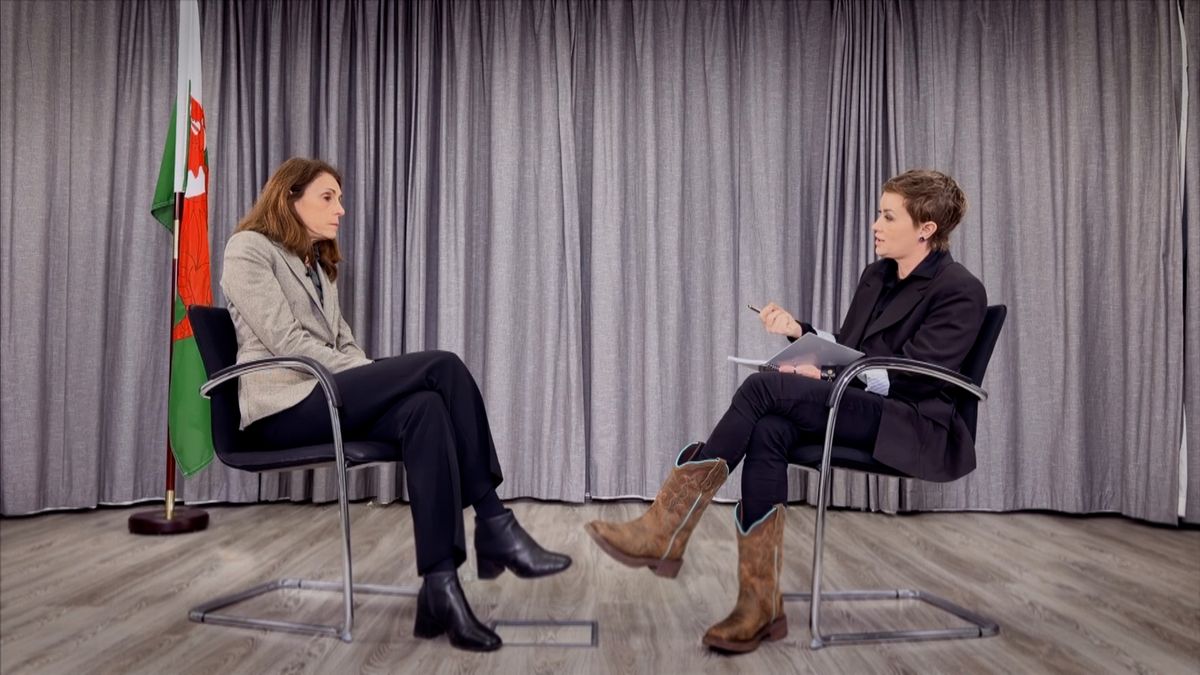
As Maxine recovered from surgery, she began talking to patients and interviewing politicians about Wales’ cancer care performance(Image: S4C)
The Welsh Government said the NHS is working hard to improve performance, expanding eligibility for screening and offering new treatments. A spokesperson said: “We are working with the Health Service to improve cancer care, including earlier access to diagnosis and treatment.
“Cancer is one of the most common causes of illness and death in Wales – more needs to be done to prevent cancer and learn more through research.
“We have invested tens of millions of pounds in new cancer facilities, equipment, digital systems, workforce training, treatments, and screening and diagnostic services. We are supporting health boards to improve cancer waiting times as part of our £2 million Cancer Services Recovery Programme, which is changing how services are delivered to improve access.”
Maxine Hughes – Canser: Ar ba gost? (cancer: at what cost?) is on S4C on March 17, 9pm, with subtitles. The documentary will also be available on BBC iPlayer.