
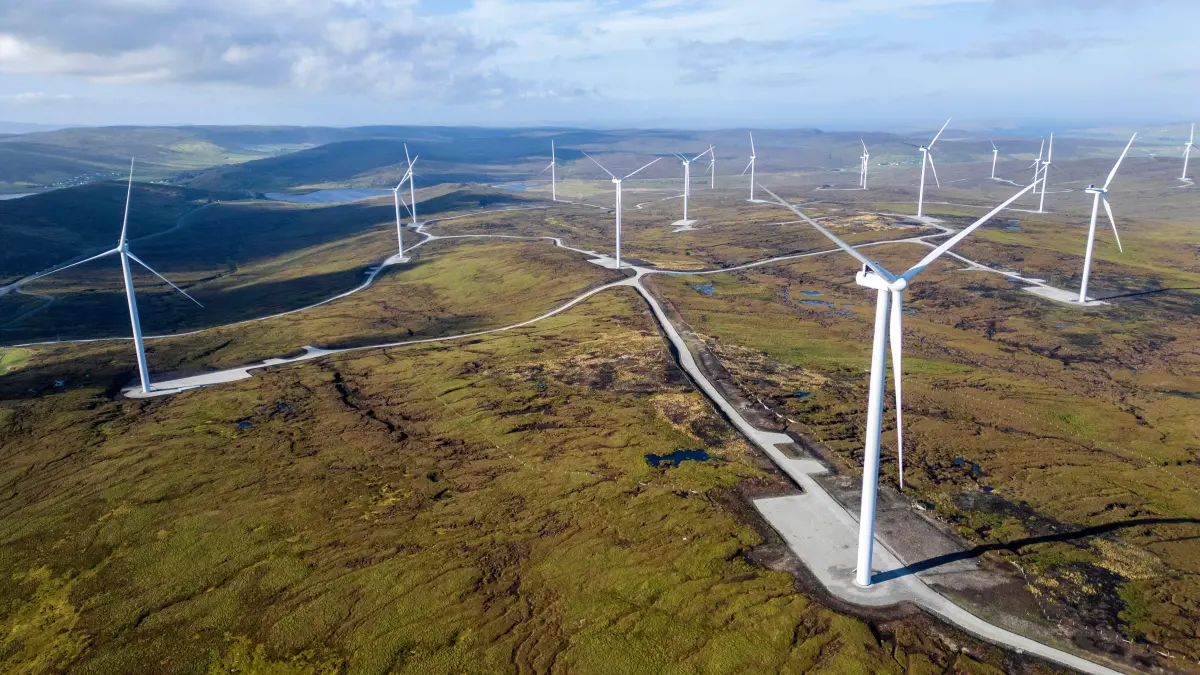
Is the Iran war a vindication, or indictment, of Britain’s net zero strategy? To Ed Miliband, who announced reforms to nuclear energy projects on Friday, the present conflict and spike in energy prices shows that “we need to go further and faster to build the clean energy we need to get off volatile fossil fuel markets”. To his Tory counterpart, Claire Coutinho, it shows the “folly of shutting down the North Sea”.
Access to affordable energy is essential to economic growth: there is no such thing as a rich country with low electricity use. Britain’s energy is among the most expensive in the developed world, yet as recently as 2004, our prices were fairly modest. What has changed?
Since the mid-2000s, Britain has conducted a dangerous experiment: generating less electricity. To lower carbon emissions, we phased out dirty coal in favour of renewables. But we also allowed nuclear power plants to go offline without being replaced. (Nick Clegg, just before becoming deputy prime minister in 2010, famously dismissed the idea of increasing the supply of nuclear power because it would not “come on stream” until 2022).
Sizeable North Sea extractions made Britain billions during the 1980s and 1990s. By 2004, the UK had become a net importer of energy again. Today, we import about half of our gas, through a pipeline from Norway (which drilled 49 North Sea exploration wells last year) as well as tankers from Qatar and the US.
Environment newsletter
The latest climate, energy and nature news and analysis, plus reasons to be hopeful.
Sign up with one click
What makes our energy so expensive — particularly during times of crisis — is that gas sets the “marginal” price of electricity in Britain. The national grid will take the cheap renewable power first (because once the turbines and panels are built, they are inexpensive to run).
Then, Britain’s dwindling stock of nuclear power is used. If the grid needs more power after that — which it nearly always does — it will turn to gas.
This is why, even though gas provides just a quarter of Britain’s electricity, it sets the price almost all of the time. Britain is unusual here: in France, which has an extensive nuclear programme, fossil fuels set the price of electricity just 7 per cent of the time.
So gas does the heavy lifting when renewables and nuclear come up short. This in itself makes gas more expensive: if you run gas plants at high capacity all the time, it can be almost as cheap as some renewables, yet starting and stopping turbines lifts the cost of generation.
And yet, for a country so reliant on it, Britain has invested surprisingly little in gas infrastructure. The Rough gas field, off the Yorkshire coast, which had provided 70 per cent of our gas storage, closed in 2017 and was partially reopened during the 2022 energy crisis.
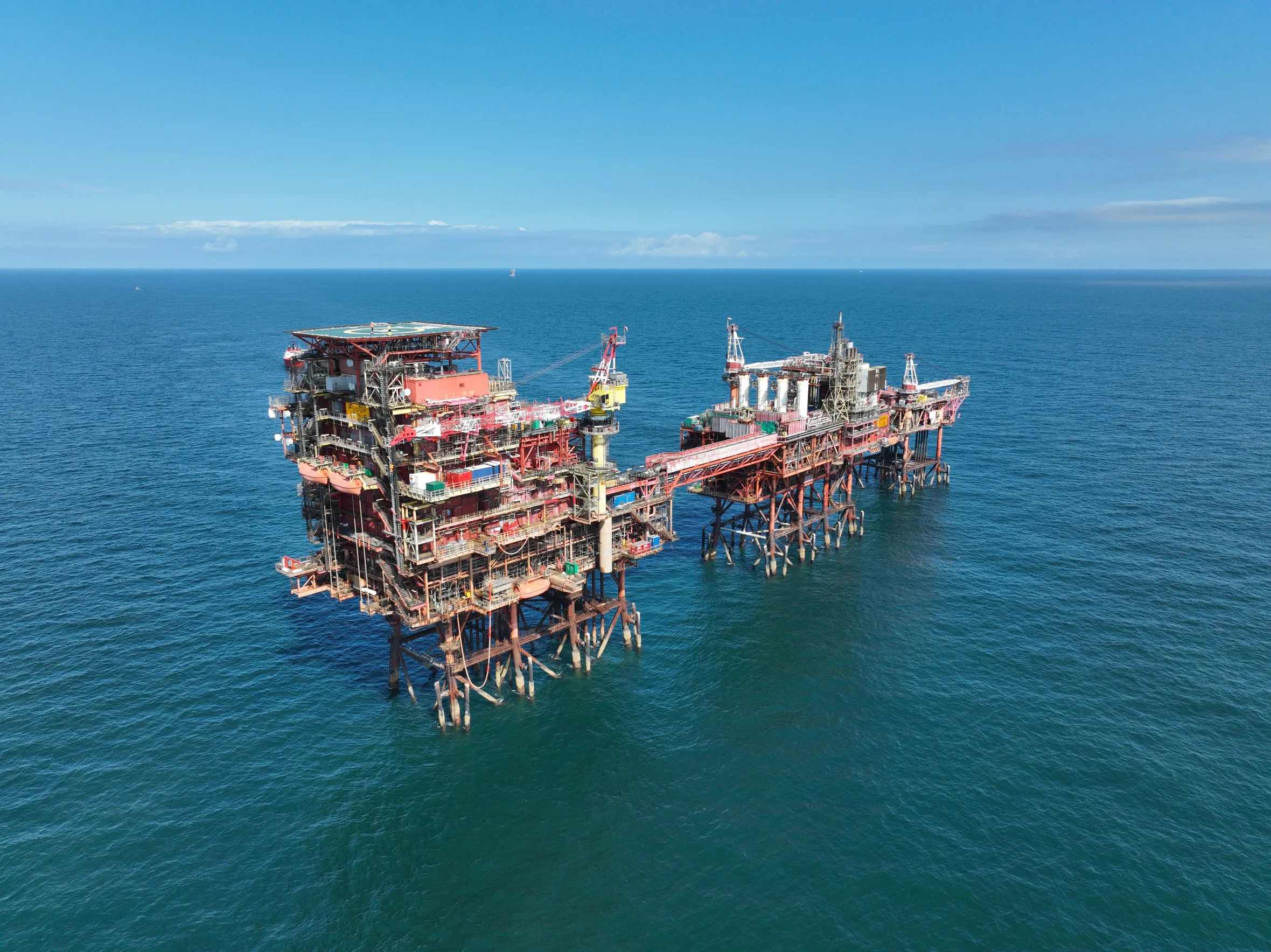 The Rough gas field, off the Yorkshire coast
Today, the UK has just 12 days of maximum storage capacity — current reserves are down to two days — compared with 89 days in Germany or 103 in France.
This is why short-term energy shocks are so harmful to Britain’s energy security. Will they continue to be so, or can Britain, in the words of Labour’s Lucy Powell, get off the “rollercoaster of fossil fuel markets”?
Britain’s electricity system is in the middle of a painful transformation. Based on the number of wind and solar projects under construction, ministers hope that in four years time, renewables will produce more than two-thirds of Britain’s electricity supply, with nuclear supplying another consistent chunk. Gas, according to the government’s clean power plan, will supply just 5 per cent.
More renewables means that the marginal price of electricity is less likely to be set by the most expensive gas plants. Furthermore, a strange quirk in how Britain sells future renewable prices may help protect the grid from price surges. Renewable energy projects are currently auctioned through a “contracts for difference” model where the price is “locked in” for the next twenty years.
While the latest wind auction prices are, to many, disappointingly high, they do have the advantage of protecting consumers if energy prices soar above the agreed price, as generators refund consumers the price difference. While just 7 per cent of generated electricity was covered by these contracts in 2022, by 2030 it could be as much as half, according to the energy researcher Ben James.
All of this should lead to some “decoupling” between gas prices and electricity bills. In recent months, there has been some evidence of this happening already in Spain, which has invested heavily in wind and solar, compared with Italy, which is more heavily reliant on gas.
There are just two problems. First, about two-thirds of the gas we use is for heating and industry, rather than electricity generation. Unless you move more homes to full electrification, which is hard when electricity prices are so high, households will still feel the pinch.
Second is the age-old problem with renewables: the weather. Those optimistic government forecasts use a “typical weather year”, but there will be plenty of periods where demand is high — and supply of sun and wind is low. The result is that, unless there is a change in Britain’s electricity structure, gas — an energy source neglected in the march towards net zero, and whose generation is taxed multiple times — may still end up setting the price of power.