
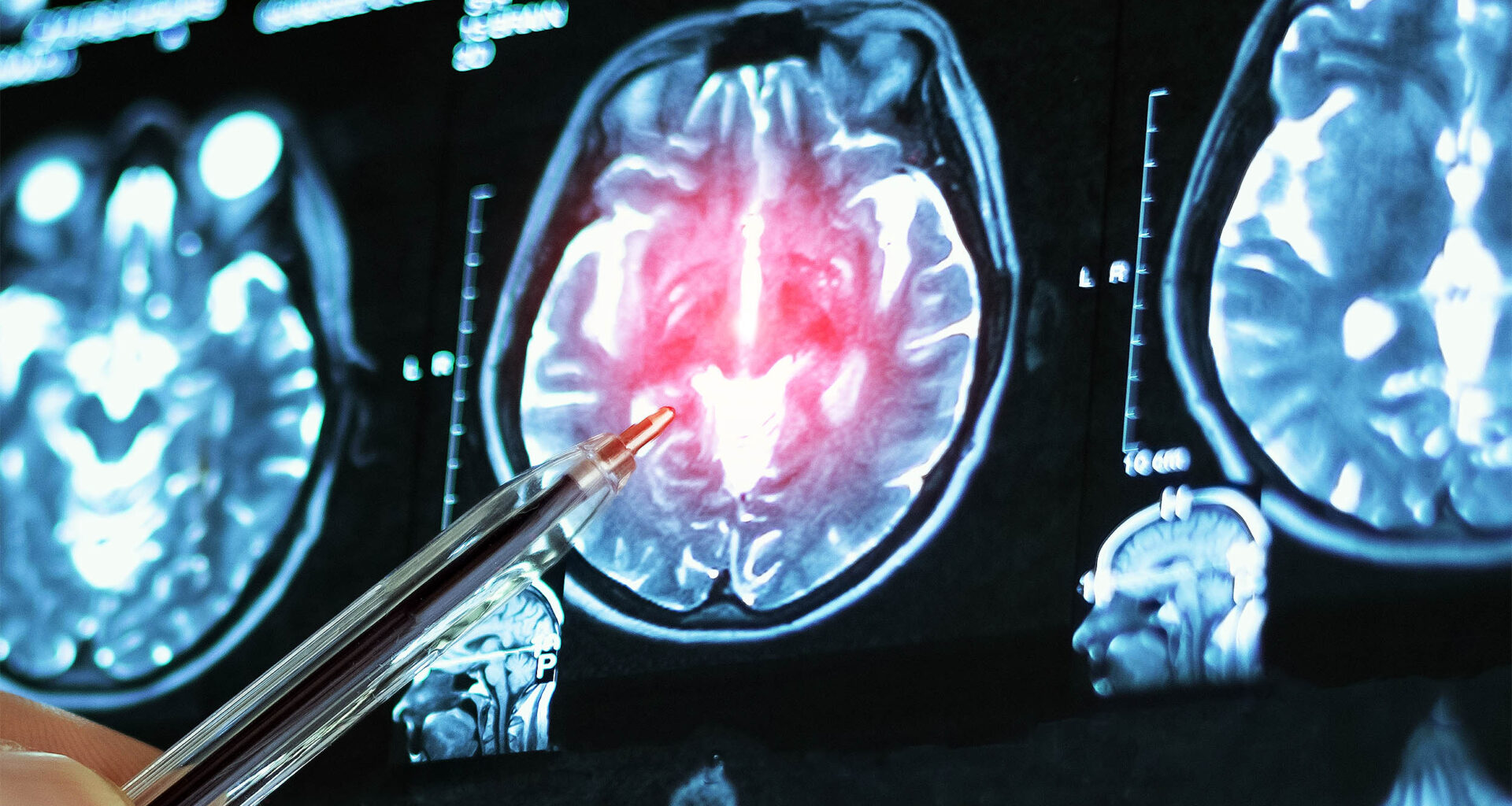
Scientists have reversed severe memory loss caused by Alzheimer’s disease by restoring the brain’s energy supply in two mouse models.
Late-stage mice showed brain tissue repairing itself once fuel balance returned, challenging the idea that Alzheimer’s only moves forward.
Memory reversal in mice

In two mouse strains designed to develop Alzheimer-like changes, the animals returned to normal performance even after symptoms had grown severe.
By comparing mouse and human brains, Andrew A. Pieper, M.D., Ph.D., at University Hospitals (UH) traced the damage to an energy crisis.
Across early and late disease stages, Pieper’s lab saw the same weak point: brains could not keep fuel chemistry stable.
Instead of aiming only to slow decline, the experiments pointed toward repairs that begin when the brain’s energy balance recovers.
NAD+ and brain fuel
Behind that recovery sat NAD+, a helper molecule that keeps cells turning nutrients into usable energy.
Every time a neuron fires and repairs itself, NAD+ helps run the chemical reactions that build proteins and fix DNA.
Aging slowly drains NAD+ across the body, and the new work found an even steeper drop in Alzheimer’s brains.
With cases projected to reach 153 million by 2050, a therapy aimed at recovery would change expectations.
Memory loss and NAD+
Once NAD+ drops too far, cells stop keeping up with daily wear and begin to break down vital parts.
Shortages push brains into neuroinflammation, brain immune activity that stays turned on too long, and that state can damage connections between brain cells.
Lab tests showed less DNA damage and less chemical wear after treatment, hinting that energy balance supports many repair jobs at once.
Such broad cleanup makes sense if one stressed system feeds many others, which is why a single fix could look dramatic.
Two disease triggers
For decades, scientists have blamed plaques and tangles, and the team tested both drivers in separate mouse lines.
One mouse line accumulated amyloid – sticky protein clumps that collect between brain cells – while the other developed tangles inside neurons.
Despite those very different triggers, the same treatment restored thinking in both, suggesting the energy failure sat downstream of each.
That pattern hinted that future therapies might target resilience in brain cells rather than chase each toxic protein separately.
Balancing NAD+, not boosting
To restore that resilience, the team used P7C3-A20, an experimental drug that protects stressed brain cells.
Instead of flooding the brain with more NAD+, P7C3-A20 helped cells hold levels in their normal range during stress.
Daily treatment began after symptoms appeared, and the drug still reversed several types of damage linked to Alzheimer’s proteins.
“Restoring the brain’s energy balance achieved pathological and functional recovery in both lines of mice with advanced Alzheimer’s,” said Pieper.
Biomarkers and reversal
After treatment, the mice acted normally again, and blood markers tied to Alzheimer’s-related brain damage fell.
In 2025, the FDA cleared a blood test that uses similar blood signals to help support diagnosis.
Alongside that drop, the marker offered a way to follow brain changes over time without waiting for late symptoms.
Still, mouse blood markers cannot guarantee human reversal, so the strongest clue remains what the drug repaired inside brains.
Protecting brain borders
In the mice, blood vessels became leaky, but the drug restored the blood-brain barrier – the protective vessel lining that controls what enters the brain.
When that barrier breaks, unwanted proteins and immune signals leak into brain tissue and can intensify damage.
Under treatment, the researchers saw less leakage and healthier support cells around vessels, which helps the brain clear toxins.
Stronger borders could also give neurons a calmer environment, making it easier for memory circuits to work again.
Clues from human tissue
Human brain samples echoed the mouse results, with worse Alzheimer’s damage lining up with bigger NAD+ imbalance.
Patterns of gene expression, the way cells turn genes into working molecules, looked healthier in people who had plaques but stayed sharp.
Dozens of proteins changed in both species, and the drug normalized 46 of them in mice while humans showed similar patterns.
Because those human samples came from the end of life, future trials must show whether living brains can regain that balance.
Humans, NAD+, and memory loss
Moving beyond mice will require careful trials, and UH teams want to test whether restoring NAD+ balance can improve memory in people.
Designing those trials will mean tracking blood signals linked to brain damage while checking whether cognition improves, not just whether plaques shrink.
“This new therapeutic approach to recovery needs to be moved into carefully designed human clinical trials to determine whether the efficacy seen in animal models translates to human patients,” said Pieper.
One nicotinamide riboside, a supplement ingredient sold to raise NAD+, increased cancer spread to the brain in mice.
The work framed Alzheimer-like decline as a chain reaction fed by energy loss, and that chain could reverse in mice.
For patients, the promise rests on careful dosing and human trials, plus clear warnings against do-it-yourself NAD+ boosting.
The study is published in Cell Reports Medicine.
—–
Like what you read? Subscribe to our newsletter for engaging articles, exclusive content, and the latest updates.
Check us out on EarthSnap, a free app brought to you by Eric Ralls and Earth.com.
—–