
Martin Lewis gave tips for people gifting money to relatives, explaining the £3,000 rule and £250 rule and impact on inheritance tax
10:54, 10 Mar 2026Updated 08:17, 15 Mar 2026
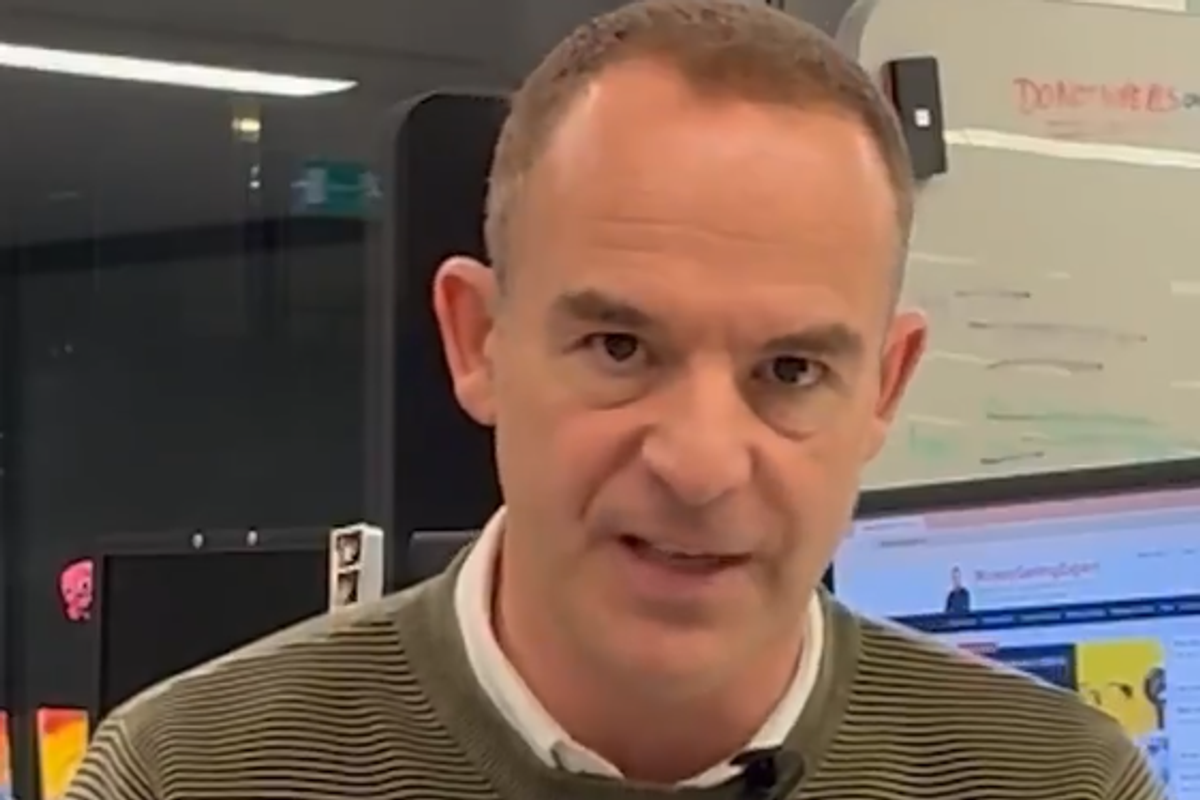
Martin Lewis spoke out to warn people about gifts to family and inheritance tax rules(Image: X)
Martin Lewis has issued an important alert to anyone providing financial assistance to family members, highlighting the ‘£3,000 rule’. During his BBC Podcast, the money-saving guru addressed the topic of inheritance tax.
Numerous family members, particularly those in their later years with additional disposable income, often choose to support their offspring or grandchildren with contemporary living expenses. Yet this generosity could factor into inheritance tax assessments, Martin and two specialists have disclosed – whilst emphasising the necessity of maintaining proper documentation.
Presently, upon death, individuals can typically transfer up to £325,000 (the nil-rate band) without taxation, increasing to £500,000 when bequeathing a primary residence to descendants. Unlimited wealth can be transferred to a spouse or civil partner, or charitable organisation, entirely exempt from Inheritance Tax (IHT), with unused allowances being transferable.
A married couple can bequeath up to £1 million tax-free – comprising two £325,000 tax-free allowances and two £175,000 main residence allowances. For this arrangement, the couple must be legally wed.
Beyond this, the inheritance tax liability can be reduced through gifting. Nevertheless, stringent regulations govern this practice and its application.
Additionally, there’s a time threshold, meaning any gifts provided seven years or more prior to death aren’t liable for tax.
Martin asked Lucie Spencer from Evelyn Partners to go through all the gift allowances available. He said: “There’s a £3,000 rule isn’t there?” Lucie explained: “So there’s the large gift allowance, which is £3,000 per individual per tax year. And what that means is I can give £3,000, my large gift allowance, either to one person or split between multiple people and also I could reclaim a tax year as well, so if you haven’t given that £3,000 in the last tax year, you can effectively give £6,000 today.”
Martin queried: “So this is so people understand. This is outside of the 7-year rule. Outside of the giving money from surplus income rule. You, as an individual, can give up to £3,000 per tax year without paying inheritance tax. How do you denote that you’re using this large gift allowance? Do you have to note down that’s what your intention was or is it just back count?”.
Lucy advised: “I recommend with all gifts and that’s the small gift allowance of the £250, the large gift allowance of the £3,000 or any gifts are written down on a piece of paper or a spreadsheet and held with your will because when someone passes away and you come to complete their inheritance tax form there’s actually a whole list where you have to detail all of the gifts which you’ve made leading up to your death.
“So definitely make a note of it and put it in one column and put ‘large gifts allowance for this tax year.'”.
In conclusion, Martin stated: “I can give money from surplus income, I can give money away as long as I last 7 years as a gift without restriction. I can give £3,000 to as many people. The maximum I can give is £3,000, but I could share that between different people. What’s the £250 rule?”.
Lucy explained: “So the £250 rule effectively I could stand on a street corner and give £250 to as many people as I wish. What I can’t do is give a person £1 more. So Martin, if I were to give you £250 in this tax year, what I can’t do is come back to you and say ‘have another £50 on top of that’.”
Martin enquired how this interacted with the £3,000 allowance. Lucy clarified: “The person who has been given the £3,000 you can’t then give them £250. The way I look at it is you give your daughter £3,000 and your grandchildren £250.”
Martin posed the question: “At what age would you say it is sensible for people to start keeping notes on all this type of stuff?” Tax barrister Harriet Brown suggested: “Early 40s.”
Lucy offered: “I would say in your 50s. Maybe when you’ve received an inheritance so your wealth is more.”
Individuals can also take advantage of special occasion exemptions when giving money. This means relatives can provide financial gifts for weddings without incurring tax liabilities.
Harriet explained: “You’ve got gifts in relation to marriages or civil partnerships, where a parent of either party to the union can give £5,000, so if all four parents gave the maximum, that would be £20,000. Other people who are relations, such as grandparents, could give £2,500, and anyone else could give £1,000 on the occasion of marriage.”
grandparents, could give £2,500, and anyone else could give £1,000 on the occasion of marriage.”
To listen to the full podcast click here. For the Martin Lewis Money Saving Expert advice on inheritance tax click here.