
Home » AIRLINE NEWS » Germany Joins United Kingdom, France, Poland, and More Countries in Revolutionizing Tunisia’s Thriving Tourism Industry as Enfidha-Hammamet Airport Transforms Connectivity, Supercharges International Arrivals, Expands Resort Access, and Catalyzes Charter Flight Growth
Published on
March 16, 2026
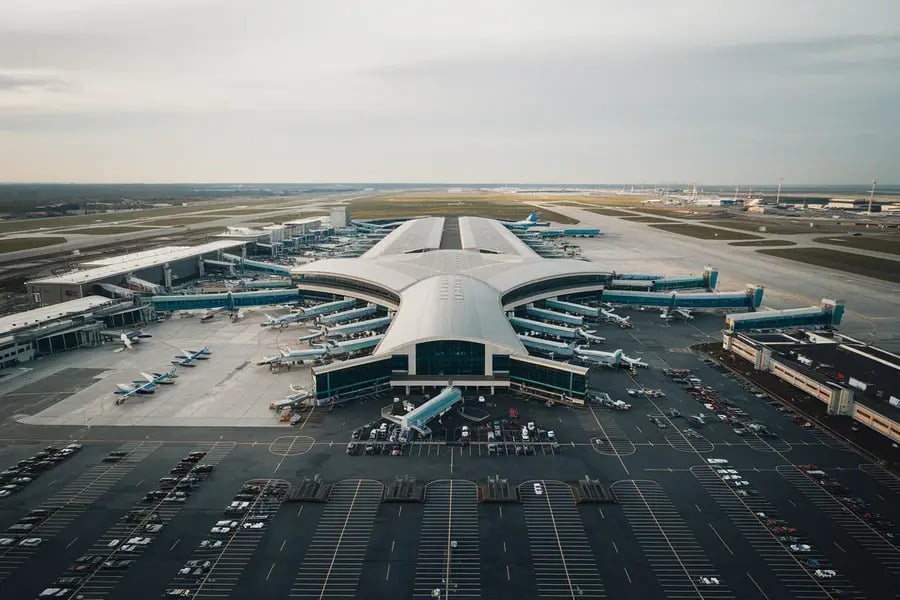
Image generated with Ai
Germany, along with the United Kingdom, France, Poland, and several other nations, is playing a key role in reshaping Tunisia’s rapidly growing tourism sector. This transformation is largely driven by the ongoing expansion and modernization of Enfidha-Hammamet International Airport. As Tunisia strengthens its global connectivity, the airport has become a crucial hub for international arrivals, providing easier access to the country’s renowned resorts. The improvements in infrastructure have also led to a surge in charter flights, facilitating more frequent and diverse travel options. This collective effort from European countries, including Germany, is not only driving tourism growth but also enhancing the overall experience for travelers looking to explore Tunisia’s rich culture, scenic landscapes, and luxurious resorts.
Enfidha-Hammamet International Airport, located between Hammamet and Sousse along Tunisia’s central coastline, is undergoing a transformation. Once considered a quiet, underutilized outpost, the airport is now stepping into a new phase. After years of operating below its designed capacity, it is expanding its operations, introducing more routes, fostering new partnerships, and reaping the benefits of a tourism resurgence that is beginning to feel increasingly tangible for the local communities dependent on incoming visitors.
Opened in 2009, Enfidha-Hammamet International Airport was designed to handle several million passengers annually. However, for many years, the airport operated far below this potential, struggling with low traffic and underuse. But recent developments indicate a turning point, with the airport rapidly scaling up its offerings. These include expanding routes, increasing its passenger capacity, and forming strategic partnerships to boost tourism and economic growth in the region.
In 2024, Enfidha handled approximately 1.3 million passengers, a remarkable 50% increase compared to 2023. This growth highlights the airport’s untapped potential, with projections indicating that the number of passengers could rise to 1.5 million by 2025. These numbers show that the airport is beginning to unlock its true capacity, thanks to the growing demand for leisure travel to Tunisia.
Advertisement
Advertisement
The airport’s location is an important factor in this growth. It is situated close to popular tourist destinations such as Hammamet, Nabeul, Sousse, Port El Kantaoui, and Monastir, all of which are easily accessible by the A1 motorway that runs along Tunisia’s coastline. This strategic positioning has made the airport a vital gateway for tourists heading to the country’s beach resorts. The renewed activity at Enfidha is closely tied to the rise in beach tourism, with the airport facilitating the smooth movement of travelers from aircraft to their accommodations.
So, what has led to this rebound, and who is driving the changes at Enfidha? Several factors have contributed to the airport’s recent surge in traffic. In 2023 and 2024, Tunisian airports saw a general increase in air traffic, with European and regional carriers restoring flights, tour operators returning to the market, and travelers regaining confidence in Tunisia as a safe and attractive destination. Within this broader recovery, Enfidha has emerged as a key hub for leisure travel, second only to Tunis-Carthage, and its route network continues to expand in a charter-oriented direction.
Advertisement
Advertisement
For the 2024 season, Enfidha has introduced more than 15 new destinations, in addition to over 15 new routes to existing cities. This expansion is largely driven by European leisure airlines and charter operators who are eager to meet the growing demand for beach holidays in Tunisia. As a result, passenger numbers have doubled from 2023 to 2024, and Enfidha is now becoming a focal point for international travelers seeking sun, sand, and relaxation.
Reports from the aviation sector suggest that the airport is experiencing a surge in charter activity, particularly from markets like the United Kingdom, Germany, France, Poland, and the Nordic countries. Several major tour operators have concentrated their Tunisia programs around Enfidha, taking advantage of its proximity to resort areas and the availability of slots that are often scarce at the more congested Tunis-Carthage airport. This has further fueled the airport’s growth and solidified its role as a crucial part of Tunisia’s tourism infrastructure.
In addition to expanding routes, partnerships at Enfidha are becoming more robust. The airport operator has worked hard to forge long-term agreements with airlines and tourism agencies to ensure higher volumes of leisure traffic over the coming seasons. A key part of this strategy involves aligning charter flight schedules with hotel availability and ground transportation services, which is crucial for ensuring that the flow of visitors remains steady beyond the peak summer season. This effort aims to stabilize the local tourism economy by promoting tourism during the shoulder seasons, rather than relying solely on the summer rush.
However, with increased passenger numbers comes increased pressure on the entire tourism infrastructure. The airport’s growth directly impacts every link in the chain, from the aircraft to the resorts. As more flights land, the logistics of transporting passengers from the airport to their accommodations must remain efficient. Enfidha’s growing importance within the region is especially significant due to its central location, which makes it the hub connecting several key resort zones along Tunisia’s coast. This proximity has led to more consistent work patterns for transportation services, hospitality operations, and other industries that rely on steady tourist flows.
That said, there are still some uncertainties regarding the airport’s future. While Tunisia has announced a series of planned infrastructure upgrades, the specifics of these improvements remain unclear. Additionally, there has been speculation about the potential takeover of both Enfidha and Monastir airports, but no concrete details have emerged. Despite these questions, it is clear that Enfidha is being positioned for long-term growth, with an emphasis on passenger projections, route expansion, and partnerships that will support Tunisia’s tourism sector for years to come.
Germany, along with the UK, France, and Poland, is driving Tunisia’s tourism growth as Enfidha-Hammamet Airport enhances connectivity, boosts international arrivals, expands resort access, and spurs charter flight growth, making it a central hub for global travelers.
For the communities surrounding Hammamet and Sousse, the resurgence of Enfidha-Hammamet International Airport represents more than just an aviation story—it is a matter of whether this growth can be sustained throughout the year. Will the airport’s new strategic planning, particularly its efforts to align flight schedules with hotel and transport capacities, result in a more stable tourism cycle? While the current growth trends look promising, the ultimate test will be how well the airport, and the region as a whole, can manage this expansion beyond the traditional high season. The groundwork is being laid, but the long-term sustainability of this boom depends on addressing the ongoing challenges and uncertainties that come with such rapid growth.
