
(Credits: Far Out / Video Still)
Sun 15 March 2026 18:15, UK
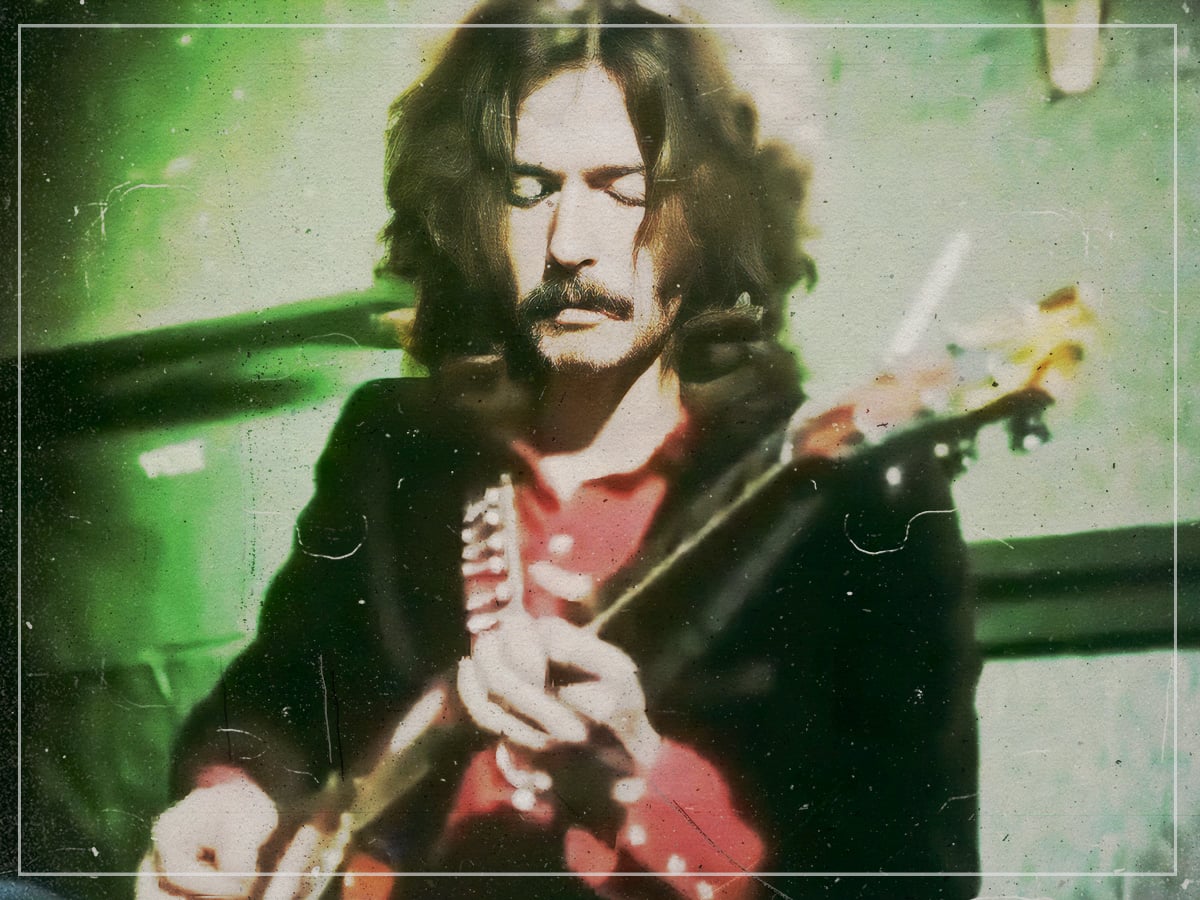
The only world that Eric Clapton ever knew was that of a travelling musician.
Even though many people of his generation were starting to fiddle around with what they could do in the studio, Clapton was always best when he was giving it to the people directly every single time he played one of his shows, almost like he was channelling some of the blues greats of old every single time he took a solo. But even without the fretboard pyrotechnics, there were bound to be a few artists who could leave ‘Slowhand’ dumbstruck in just a few notes and the right tone of voice whenever they played.
Because as much as Clapton loved the idea of playing a thousand notes per second, that’s not what everyone wants to hear every time they hear a guitar player. Just look at his performances with BB King back in the day. Clapton was out there to dominate every single scale pattern that he had ever learned next to his idol, but all King needed was the right notes and a copious amount of vibrato to get the crowd cheering for him every single time he played one of his classic licks.
And by the time that the 1970s rolled around, Clapton’s status as a god had started to wane ever so slightly. There was no reason to think he was the greatest guitarist in the world when standing next to Jimi Hendrix, and even when Hendrix passed away, the playing field had opened up to the point where everyone from Jimmy Page to Jeff Beck were making their own stabs at being one of the best guitarists.
While Clapton was always going to stick with the blues, that didn’t mean that there weren’t some other roads he could go down in the meantime. Blind Faith and Derek and the Dominos gave him a great outlet to pour his heart out over his licks, but when working on the biggest songs of his solo career, there was a lot more influence coming from the folk-rock tradition when he made records like 461 Ocean Boulevard.
The Band had clearly had a great effect on him when he first heard Music From Big Pink, but even if their chemistry was unmatched in their field, there was no way they would have been where they were if not for Bob Dylan. The folk legend had already become a musical prophet of sorts by the time that The Band left, and even as the decades rolled by, Clapton could tell that Dylan was still leagues above any other songwriter when he heard him perform at the Grammys in 1991.
Anyone else receiving a Lifetime Achievement Award would have normally been viewed as a living relic, but Clapton said that Dylan’s speech made him feel dull by comparison, saying, “I saw Bob getting his Grammy, and it blew me away. George [Harrison] showed me a video of it, actually, not long after my son died, and what Bob said in that acceptance was so profound, it took my breath away, brought tears to my eyes. It’s one of the greatest things I ever heard anyone say on a live TV show. I haven’t seen him for a while, but I’d love to. It’s just that I don’t quite know how to give him what he’s given me. I feel kind of inadequate.”
And Dylan’s acceptance speech was only one sign of him going in new directions. The Neverending Tour was already a stopgap in between classics when he began in the 1980s, but on records like Time Out of Mind, he still tried to capture the same kind of spirit that he had back in the day, only perhaps with a bit more depth this time around when singing songs that reflected themes of mortality.
But maybe the reason why Clapton was so in awe of Dylan was that they were kindred spirits in a strange way. Both of them were missionaries in their respective fields, and no matter how many times they have released masterpieces, they are always trying to find that one piece of the musical puzzle that no one else would have discovered yet.
The Far Out Bob Dylan Newsletter
All the latest stories about Bob Dylan from the independent voice of culture.
Straight to your inbox.