
(Credits: Far Out / Tony Barnard / Los Angeles Times / UCLA Library)
Sun 15 March 2026 18:00, UK
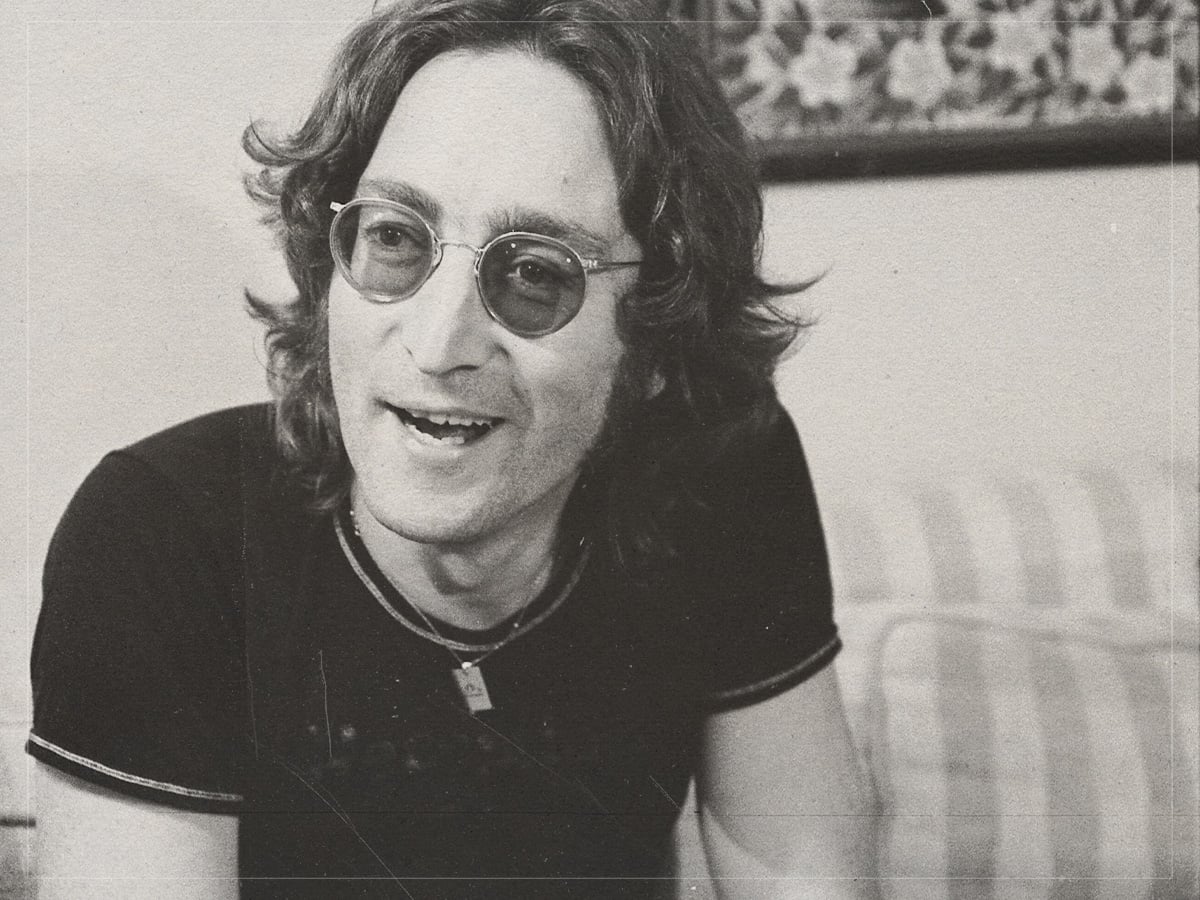
The entire fallout of The Beatles’ breakup was only a good thing in the eyes of John Lennon.
He didn’t want to fight among his best friends by any stretch, but he would rather have gone off on his own and made the music that he wanted than have to force those Beatles smiles whenever they made a new record. He was happy to be able to express himself however he wanted, but even when they were pitted against each other, it’s not like Lennon had any particular resentment for his bandmates.
Well, at least not for the rest of his life. Towards the end of the band’s tenure together, it was becoming clear that the tension between him and Paul McCartney had reached a breaking point, and he wasn’t about to hold back when he started writing songs like ‘How Do You Sleep’. He had a lot of pent-up nerves about his former bandmate, and he wasn’t going to hold back one bit, but that was also true when it came to anyone else in his life who was pissing him off at the time.
He had already cracked himself open and become a lot more candid on Plastic Ono Band, but by the time the dust had settled, everyone seemed to at least be cordial with each other behind the scenes. Lennon could call up his old bandmate every now and again to see how things were going, and even though they were worlds apart after Wings started, ‘Coming Up’ brought out that same restless competitive spirit that made Lennon want to make records like Double Fantasy.
Even if the focus was on ‘The Nerk Twins’, you can’t forget the other two in the equation, and, really, how was anyone going to forget George Harrison after All Things Must Pass? Lawsuit notwithstanding, Harrison’s debut is still one of the finest Beatles albums that any of them ever made, but when looking at how everyone shaped up, Lennon figured that Ringo Starr was one of the best saving graces that the band’s breakup could have asked for.
Starr wasn’t a songwriter by any means when he first got started, but when looking at everyone who pitched in to work on his albums, he was slowly becoming the true star of the early 1970s. He wasn’t going to be in it for the long haul, but since Lennon and McCartney were going through their personal troubles, Starr seemed to be in the same position as Harrison and continued to have some fun playing his drums alongside his friends.
And even though Lennon was more than happy to write a few tunes for his friend, he even suggested that Starr’s career might have been a bit more stable than his, saying, “I’m most happy for Ringo’s success. He didn’t have that much of a writing ability, and there was a bit of a worry of how his recording career was going to be, and in some cases I think it’s actually better than mine.”
But when Lennon was writing for Starr, it was clear that he could let down all of the precautions that he put on himself half the time. Every single one of Starr’s albums was supposed to be a bit of a party atmosphere, and since Lennon was known to be the biting cynical wit of The Beatles, this was his excuse to make some cheery pop songs, whether it was the goofy ones like ‘Cookin’ In the Kitchen of Love’ or leading the band through ‘Goodnight Vienna’ and guiding Starr through his vocal take.
Lennon certainly had a lot more depth behind him as an artist, but Starr’s career did have a lot more hits at the beginning because of how endearing he was. No one wanted The Beatles to break up at the time, but when hearing Starr perform tunes like ‘I’m the Greatest’, you could at least feel a little bit of that Fab shine rubbing off on him.
The Far Out Beatles Newsletter
All the latest stories about The Beatles from the independent voice of culture.
Straight to your inbox.