
EXCLUSIVE: The SNP Government admitted there were “difficulties facing the audiology sector” but refused to commit to implementing the recommendations of an independent review of services.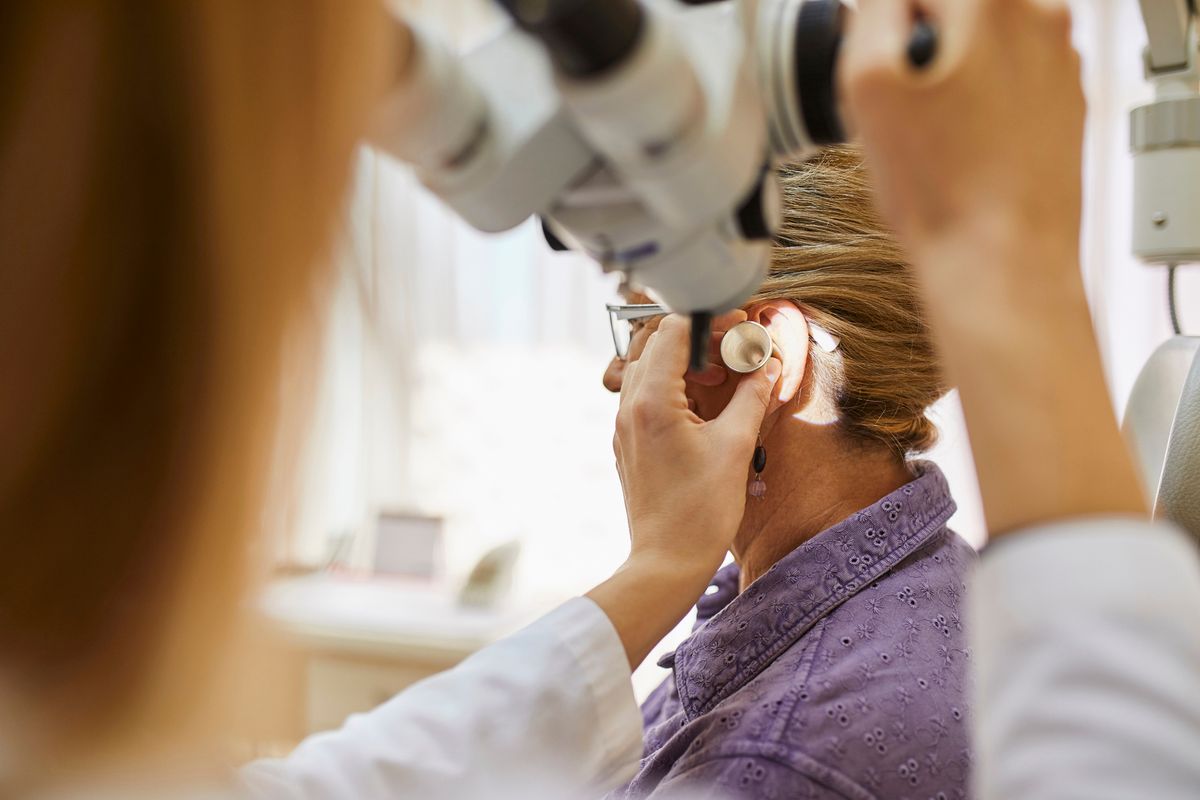
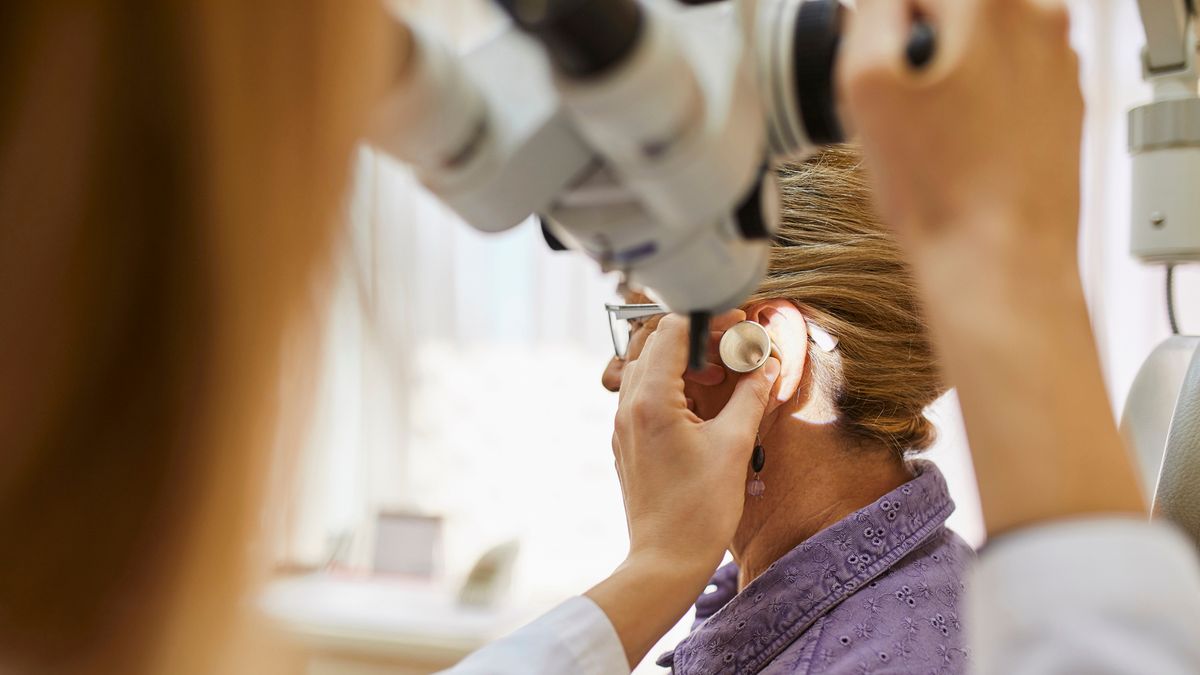
Scots face waiting months for hearing check-ups(Image: Getty Images/Westend61)
Waiting times for NHS hearing tests are “out of control” as Scots struggle to book appointments due to soaring demand for audiology services.
The number of patients on waiting lists in several of Scotland’s largest health board areas – including Lothian, Fife and Forth Valley – has more than doubled since 2023, according to Freedom of Information responses seen by the Record.
Rural parts of the country are also struggling with numbers waiting for assessment and treatment of hearing loss in NHS Shetland up by a whopping 829 per cent, while NHS Western Isles has increased by 277 per cent.
It comes as the SNP Government faces growing pressure to scrap GP referrals to speed up the process. Charities and politicians believe NHS audiology services should be available on the high street without the need to see a doctor first.
Retail giant Specsavers estimates the backlog could be cleared within three years if Scotland replicated the eye healthcare system for audilogy services.
The SNP Government today admitted there were “difficulties facing the audiology sector” but refused to commit to implementing the recommendations of an independent review of services.
READ MORE: John Swinney slams Celtic and Rangers after clubs took days to condemn Scottish Cup mayhem at IbroxREAD MORE: John Swinney insists he is ‘always honest’ with Scots over £5bn blackhole in SNP Government finances
Jackie Baillie, Scottish Labour health spokeswoman, said: “After 20 years of the SNP our NHS is in crisis and waiting lists are out of control. Audiology is yet another area where they’re failing Scotland.
“We want to see audiology services delivered closer to communities. A Scottish Labour government will fix the SNP’s mess and get the basics right.”
Nationalist ministers were previously accused of “shelving” an independent review into the provision of NHS hearing services which identified “multiple systemic problems”.
The Scottish Government accepted all 55 recommendations of a review published in 2023 and committed to improve audiology services for people who are deaf or have hearing loss.
But the Royal National Institute for the Deaf (RNID) previously said many of the recommendations remain undelivered, with children and adults across Scotland continue to face long waits, inconsistent care, and a lack of support.
Hearing loss is the most common sensory impairment and impacts one in every four adults. The rate rises steeply among older Scots, with 60 per cent of the over-60s suffering from measurable hearing loss.
Gordon Harrison, clinical lead for audiology for Specsavers UK, said: “We can estimate from the cost of providing NHS adult community hearing loss services in England and similar government funded services in many other countries, that it would only cost around £9million, including the cost of hearing aids, to clear the NHS Scotland backlog – and it could be done in under three years.
“There would be no capital expenditure or set up costs for NHS Scotland – the infrastructure and capacity is already there in existing high-street practices. We fit the same hearing aids fitted by NHS hospital-based services and these are supplied by the same manufacturers at the same price they charge the NHS.
“This estimate is based on the service model and tariff structure used in England, but Scotland could do even better by adopting a true primary care model, based on NHS Scotland’s very successful NHS primary eye health service.”
Jenni Minto, Public Health Minister, said: “I am committed to an integrated and community-based hearing service but recognise the difficulties facing the audiology sector. We will consider the recommendations of the Independent Review of Audiology Services in any future work.
“We will continue to work with the NHS, third sector and private providers to identify an appropriate model of community care for any future service reform and ensure that the voices of those with lived experience inform this work.”