
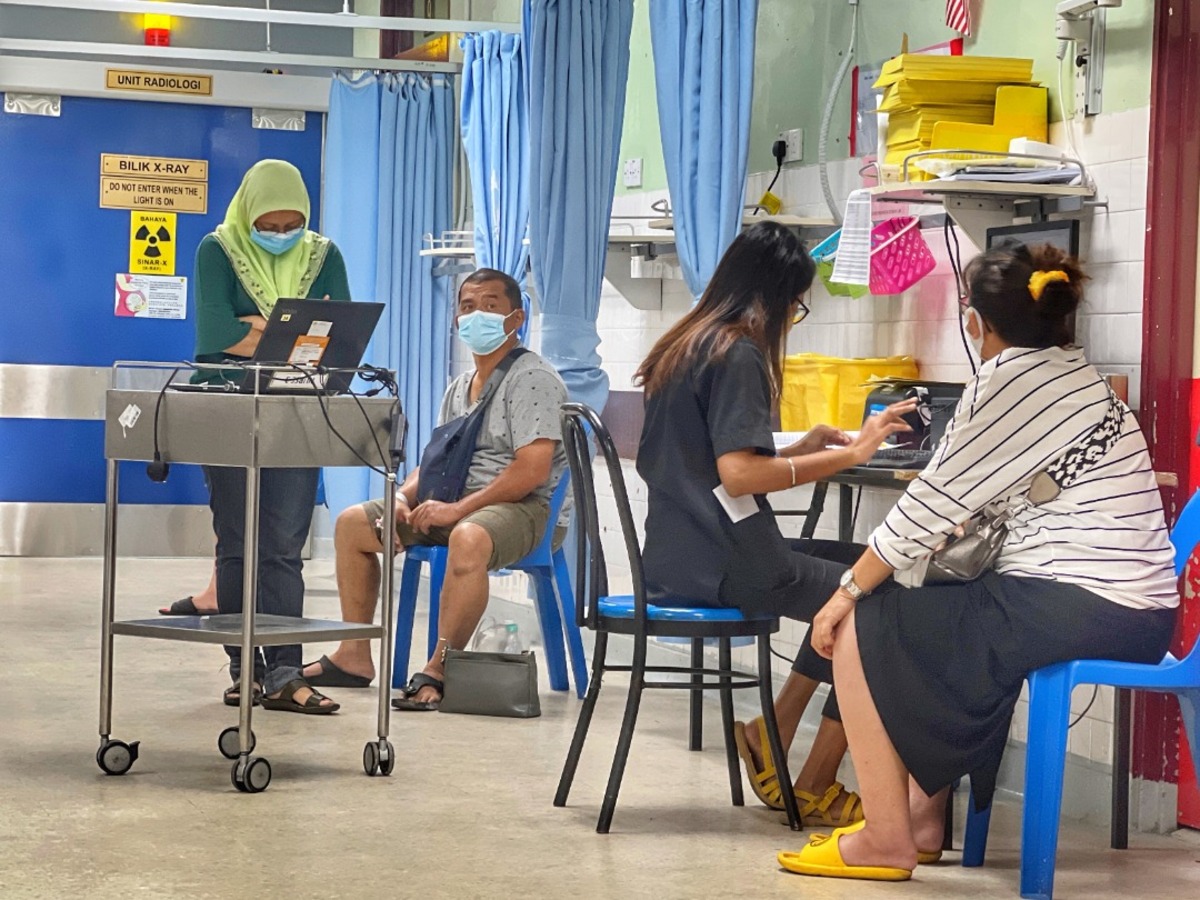
The recent death of a house officer in Kuala Krai has shaken the medical fraternity and once again highlighted the realities of housemanship in Malaysia.
While the case is still under investigation, much of the public discussion has quickly turned toward blaming the health care system. This reaction is understandable.
I remember my own housemanship: long working hours, running across wards with no time for toilet breaks or meals. The steep learning curve and the responsibility of caring for patients can be overwhelming for young doctors just beginning their careers.
The pressure is real, and the concerns raised by many doctors should not be dismissed.
At the same time, as a consultant psychiatrist who has treated many junior doctors over the years, I believe we need to approach this tragedy with care and restraint. Mental health crises rarely have a single cause.
In clinical practice, when a house officer presents with stress, burnout, or depression, the explanation is often more complex than it first appears. Work can be a significant stressor, but it is usually only one part of a larger picture.
House officers are young adults navigating multiple major transitions at once. Many are posted far from home for the first time, adjusting to new environments and unfamiliar teams while separated from their usual support systems.
At the same time, they are managing relationships, family expectations, and the realities of adult life.
When we assess mental health difficulties in junior doctors, we often find multiple pressures intersecting.
Some struggle with interpersonal issues such as strained relationships, conflicts with colleagues, or loneliness. Others carry heavy family expectations after years of sacrifice in their education.
Financial concerns can also weigh on some, particularly those supporting family members or managing debts.
There are also individuals with pre-existing vulnerabilities or prior mental health difficulties, which become harder to manage under the demands of clinical work.
Avoiding Simplified Narratives
If we attribute every tragedy solely to the healthcare system, we risk overlooking personal struggles that may have been present.
At the same time, focusing only on individual resilience ignores the responsibility of institutions to provide safe and supportive working environments. Both realities can exist simultaneously.
Recognising this complexity does not dismiss calls for reform. On the contrary, it helps ensure that the solutions we pursue are thoughtful and meaningful.
Allowing The Facts To Emerge
In the days following a tragedy, emotions run high. Many speak out with genuine concern for the welfare of junior doctors. But premature conclusions can sometimes obscure the full picture.
Health Minister Dzulkefly Ahmad has called for a “360-degree” understanding of the circumstances surrounding the case before drawing conclusions.
While the investigation continues, the focus should remain on compassion, for the doctor who has passed away, for the grieving family, and for colleagues who continue to work under demanding conditions.
Supporting The Whole Doctor
Improving the well-being of house officers requires more than addressing workload alone. Workplace reforms are important: adequate staffing, healthier workplace cultures, and clear action against bullying must remain priorities.
But young doctors also face challenges beyond the hospital walls. Many house officers who struggle with mental health are reluctant to come forward for help.
Some fear stigma, while others are simply too exhausted after long shifts to seek counselling or psychiatric support.
Hospitals must ensure accessible mental health services, mentorship, and safe channels for house officers to seek help without fear of judgement. If we truly want to prevent future tragedies, we need to address the whole picture.
Honouring her memory means improving the system while recognising that doctors, like everyone else, carry struggles that extend beyond the ward.
The author is a consultant psychiatrist.
This is the personal opinion of the writer or publication and does not necessarily represent the views of CodeBlue.