
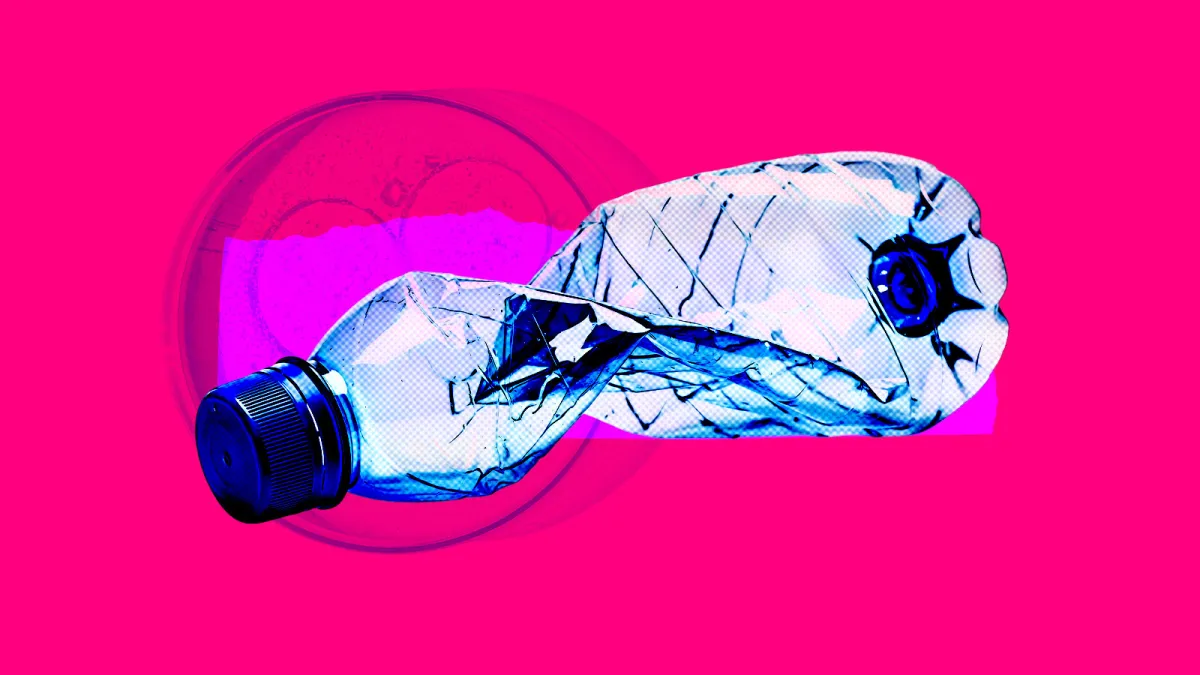
Scientists may have found an unexpected solution to the scourge of plastic pollution: transforming waste packaging into one of the most effective drugs for Parkinson’s disease.
Researchers at the University of Edinburgh used a specially engineered bacteria to convert a common plastic found in food and drink packaging into L-DOPA, a treatment regarded as the gold standard for managing the motor symptoms of Parkinson’s disease, including tremors, stiffness and slow movement.
They said it was the first time a biological process had been harnessed to transform plastic waste into a medicine for a neurological disorder.
Professor Stephen Wallace, of the university’s School of Biological Sciences, who led the research, said: “This feels like just the beginning. If we can create medicines for neurological disease from a waste plastic bottle, it is exciting to imagine what else this technology could achieve.
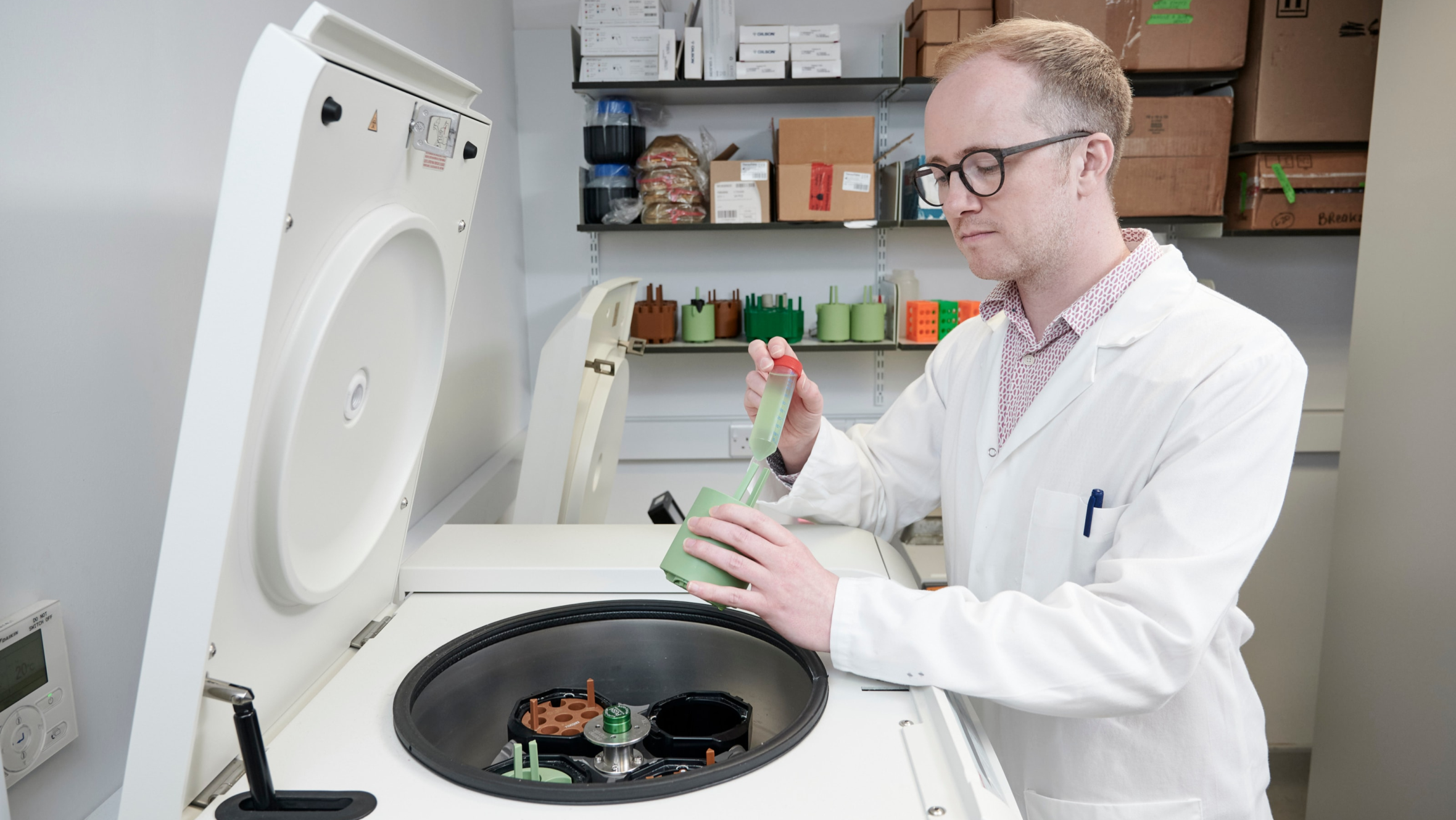 Professor Stephen Wallace harvesting engineered bacteria for analysisEdinburgh Inovations/PA
“Plastic waste is often seen purely as an environmental problem, but it is also a vast and largely untapped source of carbon. By engineering biology to convert plastic into an essential medicine, we show how waste materials can be reimagined as valuable resources that support human health.”
Parkinson’s is caused by the loss of nerve cells in a region of the brain called the substantia nigra. These cells produce dopamine, a chemical that helps control movement. The drug produced from plastic, L-DOPA, works by being converted into dopamine in the brain. More than 50 years after its discovery, it is the most effective medication for managing the motor symptoms of the condition.
About 166,000 people in the UK have Parkinson’s and the number is expected to rise as the population ages.
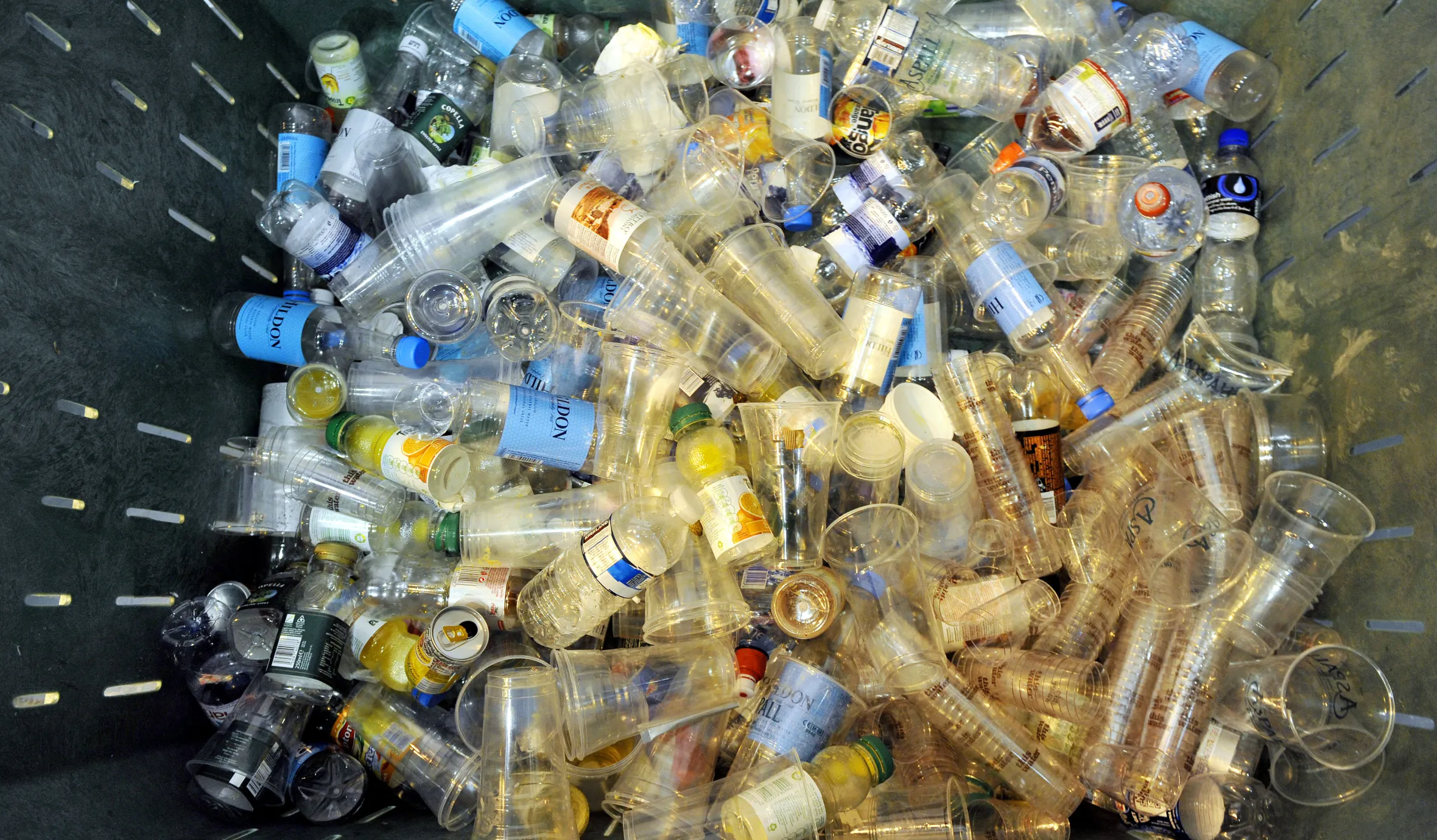
The drug production process begins with polyethylene terephthalate (PET), a lightweight plastic derived from oil and gas and widely used in packaging. First, it is broken down into its chemical building blocks, which include terephthalic acid. Engineered E. coli bacteria are then used to convert molecules of terephthalic acid into L-DOPA through a sequence of biological reactions.
 Tim Ireland/PA
The researchers said the method could offer a more sustainable way to manufacture pharmaceuticals, which are traditionally produced using processes that depend heavily on fossil fuels.
There is also growing pressure to improve recycling methods for PET, one of the world’s most widely used plastics. Present recycling processes remain inefficient and large volumes still end up in landfill, incineration or the natural environment.
The new approach offers a way to capture and repurpose the carbon locked within plastic waste, turning it into high-value products rather than allowing it to be lost as pollution.
The researchers said the technique could help support the development of a “bio-upcycling” industry, producing not only pharmaceuticals but also flavourings, fragrances, cosmetics and industrial chemicals.
Environment newsletter
The latest climate, energy and nature news and analysis, plus reasons to be hopeful.
Sign up with one click
Professor Charlotte Deane, executive chair of the Engineering and Physical Sciences Research Council, said the research demonstrated the potential of engineering biology — where engineering principles are applied to biological systems — to address major global challenges.
“By converting discarded plastic into a treatment for Parkinson’s disease, the team has shown how carbon that might otherwise be lost to landfill or pollution can be transformed into high-value products that improve lives,” she said. “It is a powerful example of how innovative, sustainable manufacturing approaches can benefit both people and the planet.”
The findings are published in the journal Nature Sustainability.