
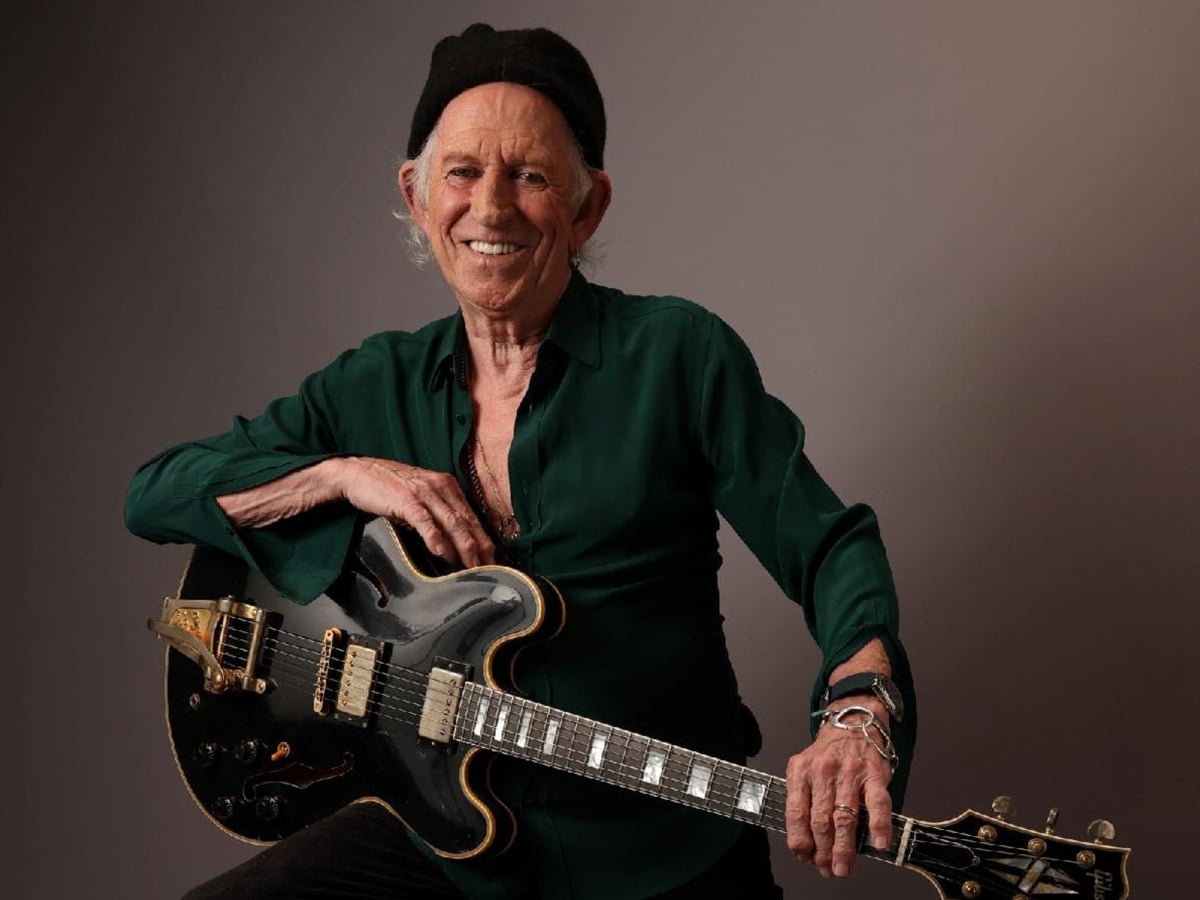
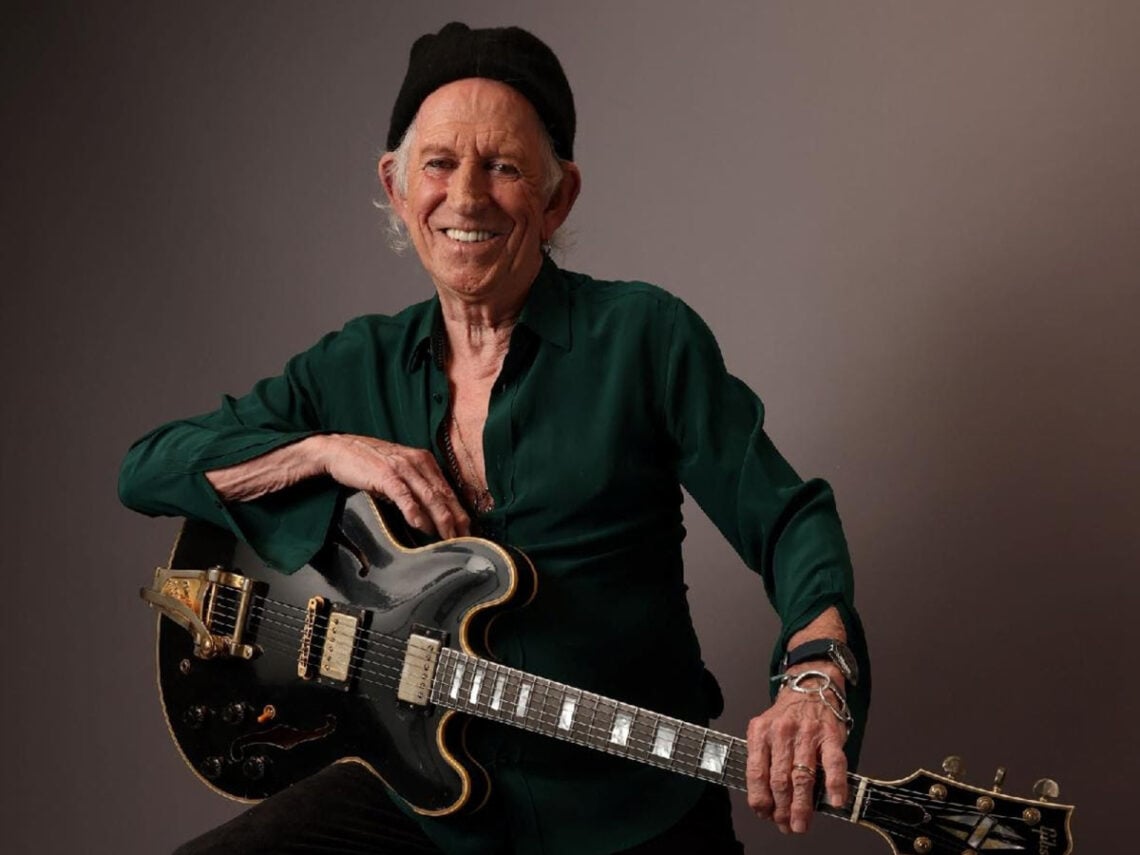
(Credits: Gibson)
Tue 17 March 2026 16:00, UK
In the world of rock and roll, Keith Richards had almost been relegated to permanent rhythm guitar.
He does have a few tasty licks up his sleeve, but when looking at the hierarchy of The Rolling Stones, the tandem usually revolves around Keef pumping out the riffs and whoever else was playing guitar at the time adding a couple of lead lines over whatever he was doing. But if you were trying to make something truly special come out of the guitar, Richards knew that it would have to be on the rhythm side of things.
Because when you think about it, the rhythm guitarist is a lot more difficult a job than most people give them credit for. A lot of it doesn’t seem that hard when all they’re doing is playing power chords or open chords most of the time, but if you’re locking in with the drummer every single time a song starts, you’re practically the engine of the band. The rhythm guitarist is the glue that holds everything together, and Richards is no stranger to holding the band through all of their classic tunes.
None of those classic songs would have been remembered if not for the licks throughout ‘Satisfaction’ and ‘Paint It Black’, but even when they started to stretch their tunes out, it was never about showing themselves off that much. Mick Taylor was a fantastic player by a wide margin, but even if they made some of the best tunes that they ever put out with him, it still came back to the feeling that came from listening to the opening of ‘Monkey Man’ or the breakneck speed of ‘Rip This Joint’.
But if you look at all of Richards’ heroes, a lot of them were doing the same thing he was whenever they approached their songcrafting. Chuck Berry didn’t spend every single waking hour going over how to wow audiences with his technical prowess, but he was certainly willing to go the extra mile if it meant getting the sound that he heard in his head right for whatever song he was working on. And that also extended to when Richards was listening to the blues back in the day.
The best bluesmen of their time approached their songs like a conversation between them and the audience, and even if they had a few licks in their catalogue, there’s a reason why people like BB King played so slowly. Everyone needed to internalise what he was trying to articulate, but as far as Richards was concerned, all you needed to know about lead guitar all came from listening to Robert Johnson.
Others had taken music into newer directions, but Richards felt that Johnson was the perfect blend of holding down the rhythm while still having a few licks intertwined in his songs, saying, “No one guitar player is that interesting. Not one — I don’t care if it’s Segovia, Hendrix, anybody. Robert Johnson is the most interesting idea of a solo guitar player to me, and as we’ve already said, he was looking to go for a band. Listening to myself play is one thing, but I’m interested in what I can do with somebody else.”
And you can hear that kind of band interplay in the way that Johnson approaches a lot of his tunes. He could only work with what he had at the time, and you can hear the hunger that he had to get every single ounce of music that he could out of his instrument whenever he started making tunes like ‘Me the Devil Blues’.
Plenty of guitarists have tried and failed to get people to gawk at their impressive musicianship, but Richards knew as well as anyone that it was about much more than the technique whenever you got up onstage. It was about being able to articulate it right, and you can feel that sense of danger every single time you listen to one of Johnson’s old recordings.