
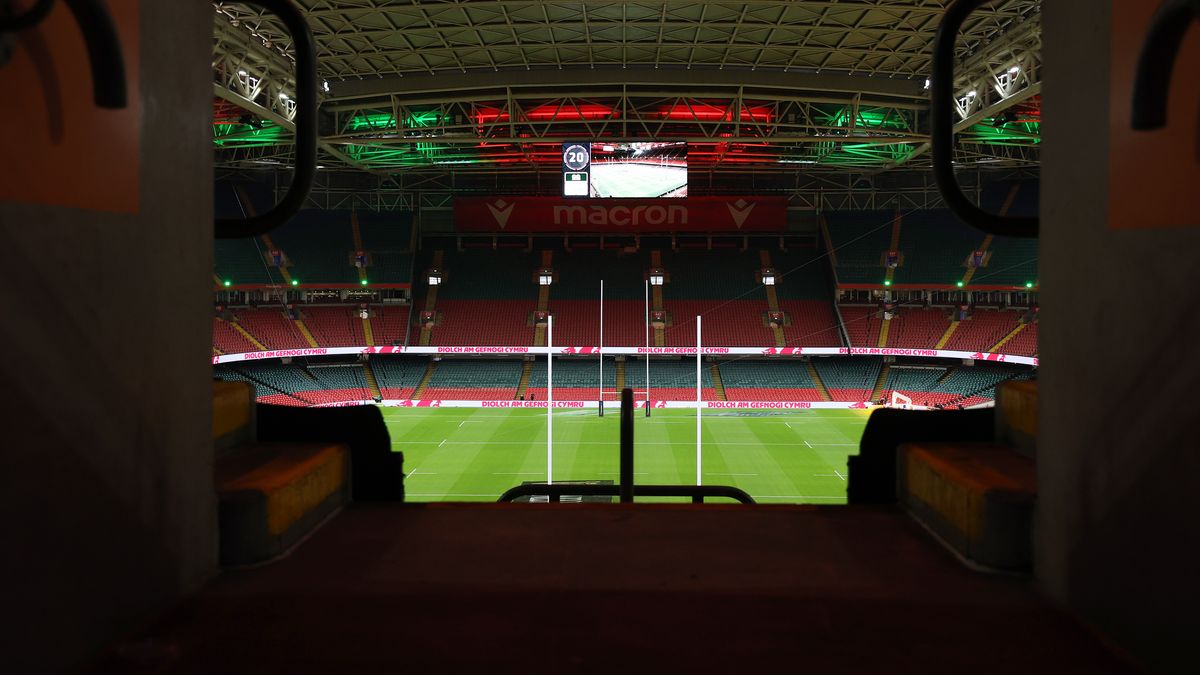
Rugby correspondent Steffan Thomas takes you behind the scenes to explain what’s really going on at a critical time for Welsh rugby
15:15, 17 Mar 2026Updated 17:10, 17 Mar 2026
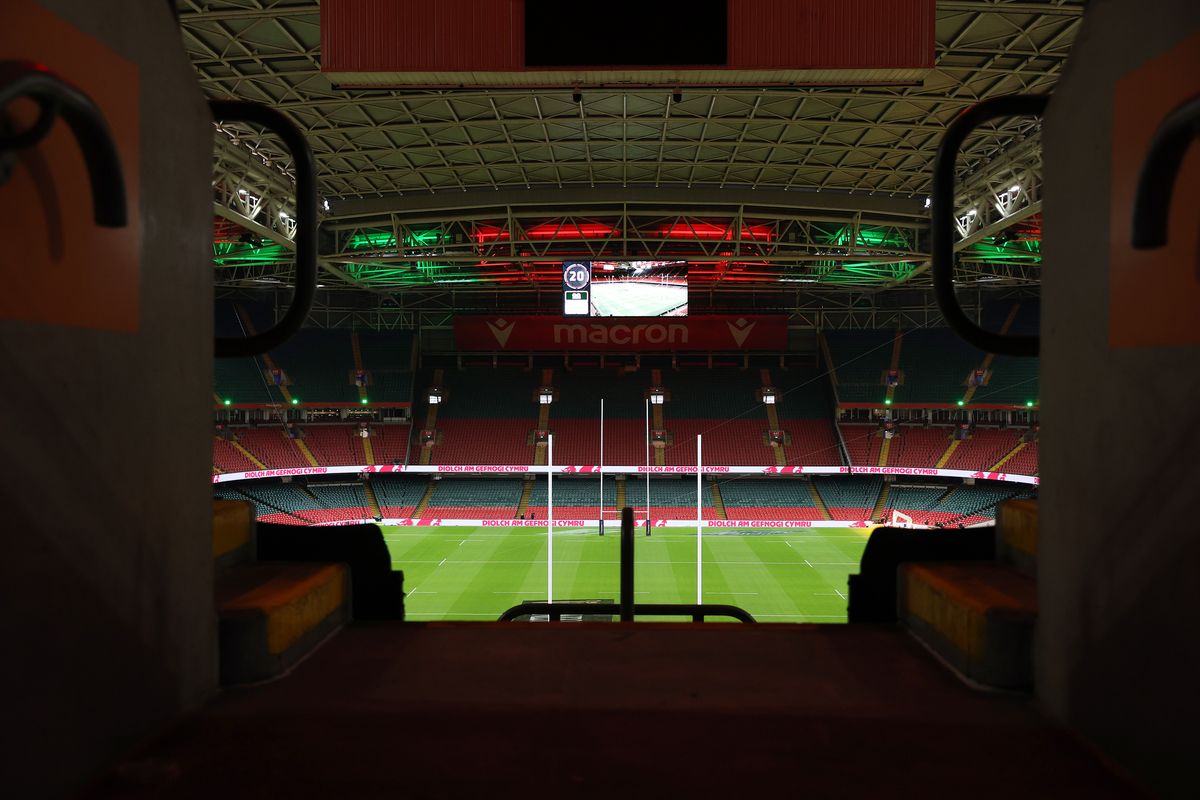
The EGM will be held at the Principality Stadium on April 13(Image: Huw Evans Picture Agency Ltd)
The future direction of Welsh rugby will be decided on Monday, April 13 at the Principality Stadium.
Member clubs of the Welsh Rugby Union will convene for an extraordinary general meeting (EGM), with a vote of no confidence in the governing body’s chair, Richard Collier-Keywood, as the headline motion. You can read the full EGM details here.
Whether the game moves to three professional clubs or the WRU retains four is also likely to be determined at the meeting, such could be the nature of the fallout.
Which way will the EGM vote go?
It is a difficult question to answer.
A glance at social media, coupled with the views of several prominent former players and politicians, might suggest Collier-Keywood is on borrowed time.
The WRU board’s decision to reduce the number of professional clubs from four to three has become a lightning rod for opposition, though arguably the manner of its execution, rather than the proposal itself, has provoked such a backlash.
Complicating matters further, Swansea Council is pursuing legal action to prevent Y11 Sports & Media from acquiring Cardiff Rugby, arguing the move would result in the Ospreys becoming a semi-professional Super Rygbi Cymru outfit.
Such forceful criticism of the WRU’s actions — from politicians to former players — is likely to influence how some clubs cast their votes.
Yet it is far from a foregone conclusion. In many elections, the outcome is often determined by a silent majority. This will certainly be the case here. Those most vocal on social media and television are not always representative and it’s also worth recalling that, at this time last year, many of the same voices were calling for radical reform.
Last night, this writer received an email from a club indicating it would vote in favour of Collier-Keywood. While expressing reservations about the plan’s execution, it said it supported the principle and would back the union in the absence of a credible alternative.
A number of other clubs have expressed a similar view, though weighing their position against those opposed remains difficult.
It’s understood that Principality’s former chief operating officer, Rob Regan, has been working to develop an alternative proposal, which may yet sway opinion. It will be fascinating to see what he comes up with.
While the WRU board did not seek an EGM, now that one has been called it is keen to ensure maximum participation.
The worst-case scenario for Collier-Keywood would be a quorate meeting with a low turnout, a combination that would almost certainly favour the Central Glamorgan Rugby Union.
For the first time, however, the WRU will offer a hybrid format, enabling clubs to attend virtually and vote without being physically present.
In the coming weeks, the board is expected to make a sustained case for reform, arguing that a vote of no confidence would damage the game.
At present, the outcome remains too close to call but those assuming Collier-Keywood is a dead man walking could be well wide of the mark.
A reminder of the key points:
50 of Wales’ 282 member clubs have officially backed the EGM so it’s pretty safe to assume they will all vote in favour of the motionsFor Collier-Keywood to be ousted, over 50% of clubs voting need to back the motion.For the vote to be valid, at least 95 clubs must attend, either in person or online.If every club in Wales were to attend and vote, a further 92 clubs on top of the 50 known to be backing the EGM would need to vote in favour of ousting Collier-Keywood for it to passSo, it seems the more clubs that attend, the better the WRU’s chances of fending off the motions. If, for example, less than 100 clubs attended, the 50 clubs formally backing the EGM would win the vote on the chair’s future.What happens if the vote goes for or against Collier-Keywood?
If Collier-Keywood survives the vote of no confidence, he has a mandate from the community clubs to carry on with the board’s plan to radically restructure the professional game, although he still faces many significant legal hurdles.
But if the vote of no-confidence goes against him, this is where it gets interesting.
If he loses then he would have to step down immediately and the board would need to appoint an interim chair, probably Alison Thorne, assuming she would be prepared to stand in.
What happens next would depend on what happens at the EGM. If the vote of no confidence was overwhelming or there were many negative comments about the strategy being adopted by the board, it could be argued they would have a moral responsibility to change course.
Legally they don’t have to change and could plough on regardless of the membership’s views. There’s a strong chance the new chair will reflect on all the facts, yet still come to the conclusion three teams is the best way forward.
But they are a governing body there to represent the views of the membership, not just their own.
Given this scenario they would need to seek a new chair rather than continue with a current board member.
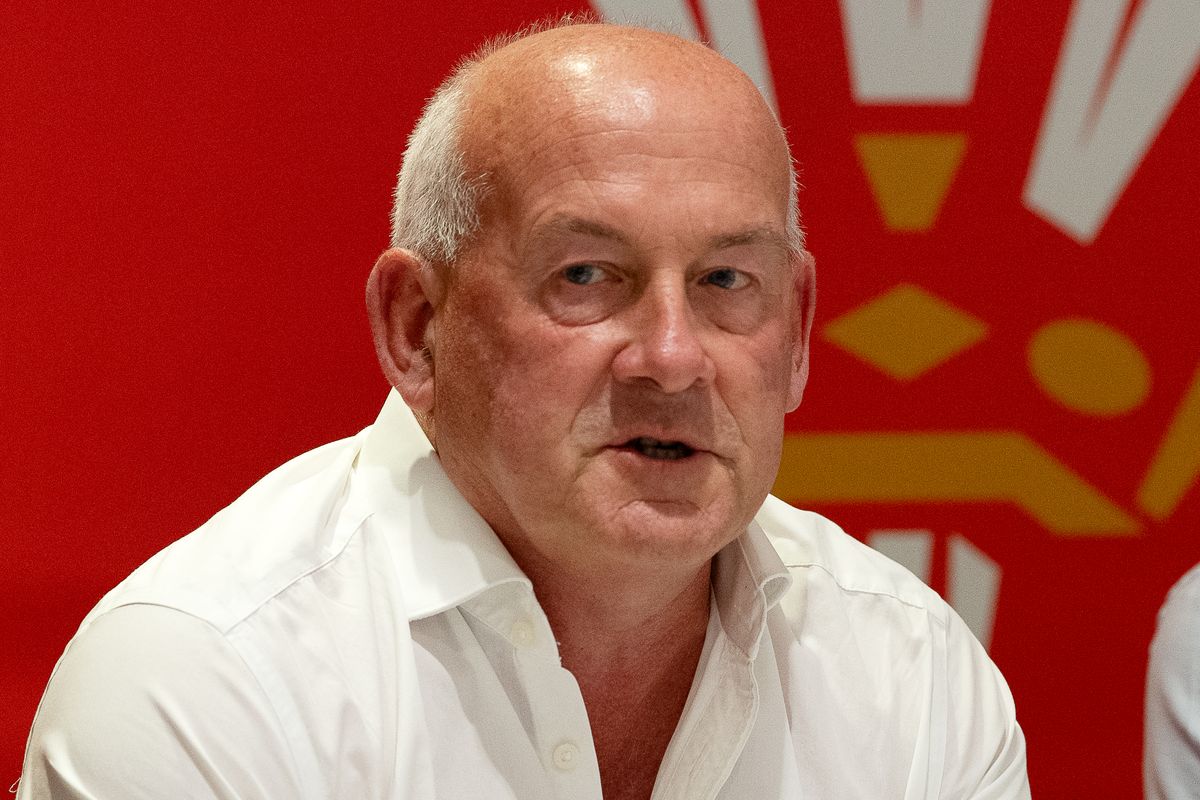
Richard Collier-Keywood faces a fight for his future(Image: Huw Evans Picture Agency Ltd)
That person would need to take them down a different path, certainly in the short term. The person appointed may want to bring in new non-executive directors who would have a different perspective on the way forward.
Some of the current non-executives may feel they need to resign anyway either because they feel strongly about departing from the current strategy or because they have had enough of the toxicity of Welsh rugby.
If the vote is very close but Collier-Keywood loses it, the board may feel they still have the power to continue their current strategy.
They would then continue with a current board member as chair and simply appoint another non-executive director following a recruitment exercise.
Of course, finances will also be a factor in any new structure and whether they stick with four teams.
The WRU says it cannot afford to fund four sides to a level where they can be successful and invest £28m over five years into an improved pathway.
In either case above, the strategy for Welsh rugby would be unresolved but there would almost certainly be a ceasefire.
It is also worth noting the clubs will be voting on two special resolutions which require 75% of the vote to pass.
One of these includes new elections for the four elected WRU council member board positions within 14 days.
If they do end up with a new chair, this individual could put a vote on whether to carry on with the plan to the main board where there could be five new members if you count a new Professional Rugby Board chair.
But if these motions pass, other community clubs will be empowered to call EGMs for any difficult decision they disagree with.
This will have a knock-on effect on the calibre of executive the WRU can attract as no serious player is going to want to work within those constraints.
If the motions don’t pass, how long are the disaffected clubs going to sit quietly before they try something like this again? And, again, just the attempt will discourage serious people wanting to work for the WRU.
Make no bones about it, this EGM will have serious ramifications above and beyond the number of professional teams.
But the smart money is on the vote of no-confidence doing no more than delaying the move to three or even two clubs in the future.
What about the situation with Swansea Council and the Ospreys’ future?
The WRU publicly maintains they have not made a final decision on who will get the west licence and insist Y11 buying Cardiff does not necessarily have a direct and negative impact on the Ospreys’ future..
But the WRU has been put in a very difficult situation after Swansea Council leader Rob Stewart released the minutes of a meeting he had with WRU CEO Abi Tierney and Ospreys CEO Lance Bradley in January.
Stewart claims that in the meeting it was made clear the Ospreys would have no future as a professional men’s team after the 2026/27 season. The council’s minutes, later amended by Tierney but released without her consent, appear to show just that. The WRU says they are inaccurate. You can read them here.
While Y11 have been given special dispensation by the United Rugby Championship to own more than one team that would be a big ask.
There are those within the game who have labelled Y11 a “flight-risk” and fear they will simply walk away from Welsh rugby.
If Swansea Council can prove the WRU has breached UK competition law then Y11’s purchase of Cardiff could be stopped.
But if Y11 then decide to leave Welsh rugby, the Ospreys would need new owners ready to step in.
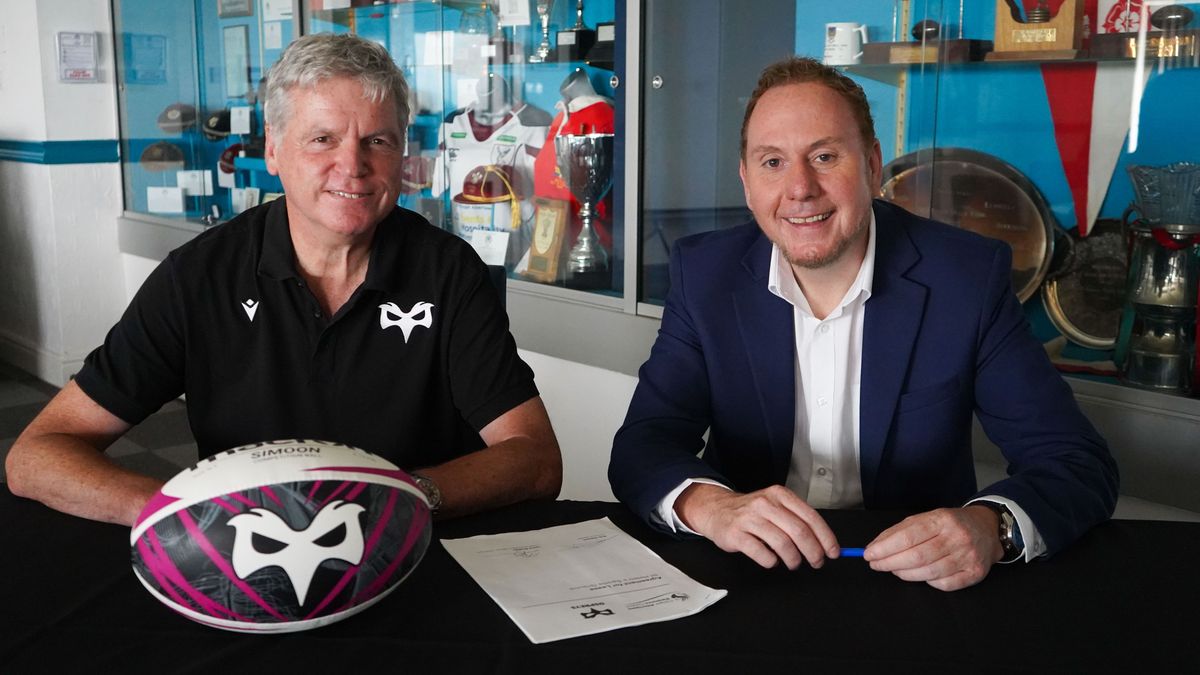
Swansea Council leader Rob Stewart and Ospreys chief executive officer Lance Bradley sign an agreement at St Helens to finalise a lease allowing the rugby club to manage the ground.(Image: Ospreys)
It was interesting to see former Ospreys chair and benefactor Rob Davies maintain his commitment.
“We believe Wales should retain four regional teams and we are financially committed to ensuring the long-term future of the Ospreys regardless of whether the deal to buy Cardiff Rugby goes ahead,” said Davies.
“The Ospreys’ future lies at a redeveloped St Helen’s, which would help secure financial sustainability by increasing income.
“We are working closely with Swansea Council to achieve our shared ambition of a thriving Ospreys playing regional rugby in the heart of Swansea.”
Even so if Y11 do buy Cardiff then the Ospreys appear to be the most vulnerable side.
However, it is not out of the question the WRU may have to go out to tender on the three licences.
What about the licences?
Remember, amid all this, the WRU’s aim is to get three sides to agree to their terms for licences going forward. Currently they are nowhere near being signed and that will not change unless the WRU makes some significant compromises.
The WRU director of rugby & elite performance Dave Reddin told WalesOnline last Saturday he is prepared to compromise to get a deal over the line.
As it stands the funding directors at all four sides want the £1m licence fee struck off and they want the WRU to drop their plans to centralise all rugby operations.
They are currently locked in a stalemate.
If Y11 do buy Cardiff and the WRU see off the legal challenge from Swansea Council then they could yet get to three teams by consensus.
But if they don’t and Collier-Keywood survives a vote of no-confidence then going out to tender becomes a reality.
However, the nightmare scenario is nobody bids to buy the licences.
What about the URC?
This appears to be the central point many are overlooking.
The WRU remains contractually obliged to provide four teams to the United Rugby Championship, meaning a replacement would be required should it reduce to three.
If either Black Lion or Cheetahs were granted entry, the WRU could move to three teams swiftly.
Such a move, however, would require the approval of the URC board, and WalesOnline understands its preference is for either Ealing Trailfinders or London Irish to replace the fourth Welsh side.
That, in turn, would introduce further complexity, as it would necessitate the consent of the Rugby Football Union.