
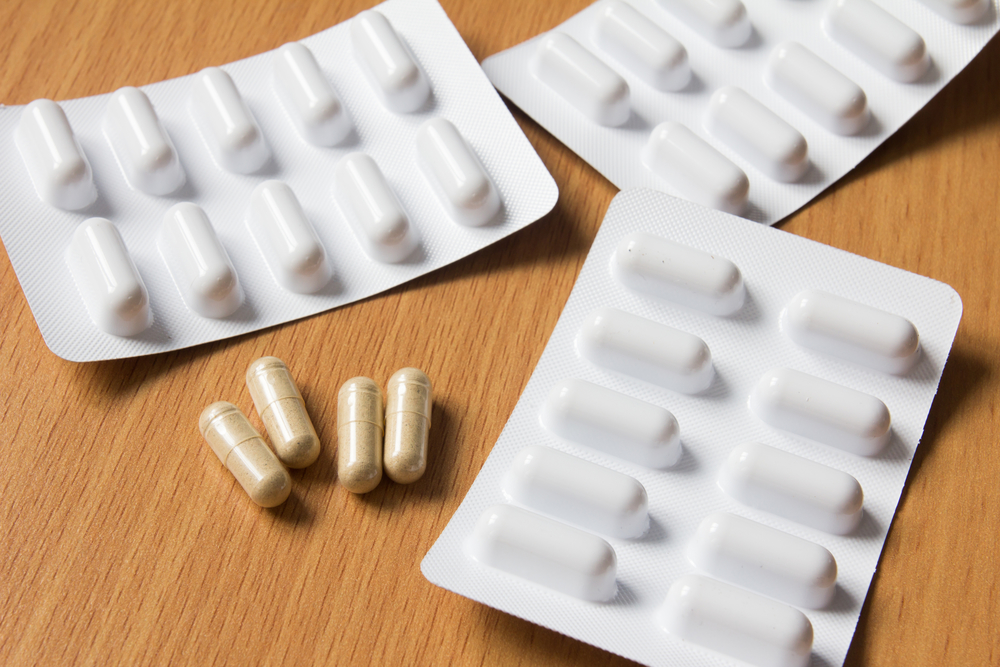
The Netherlands supports European legislation currently being drafted which will allow unused medication to be returned to pharmacies and distributed to other patients, the health ministry has said.
Reusing leftover or completely unused medication can be done safely, research has shown, and will be a sustainable way to cut costs, combat scarcity and prevent medication from polluting the environment.
In the Netherlands, the range of reused medication will initially be limited to expensive medication with a long shelf life, such as cancer drugs.
Pharmacist and professor Bart van den Bemt, who led the investigation into the safe reuse of cancer medication, said the legislation is long overdue.
“It is a crying shame that unused medication is going to waste. Every day some 400 kilos of medication are discarded to the tune of over €100 million a year. It’s a waste of money and the environment,” he told broadcaster NOS.
“If a patient has leftover medication, we check if the temperature is right or include a thermo chip and then seal it for use by someone else,” Van den Bemt said. In 90% of cases, the medication could be reused, his research showed.
Large-scale reissue of medication is currently not allowed to prevent fake drugs from entering the chain, he said.
The environment is the biggest driver for the new legislation, Van den Bemt said, because unused medication is flushed through toilets or burned.
The measure would also save between €20 million and €50 million, he said. “That is money we can put towards more nurses, other medications and healthcare in general. It could also help with the lack of availability of some drugs,” he said.
It is unclear if cheaper medication will also be part of the scheme. “We need to see if it is viable because you have to factor in the cost of sealing and thermo chips, plus the extra work for pharmacists. But the list will be longer in the future,” he said.
New European rules mean the Dutch medicines act will have to be adapted. There will have to be a consensus about which drugs will qualify and under which circumstances and a list of designated pharmacies. That process is expected to take up to three years.