
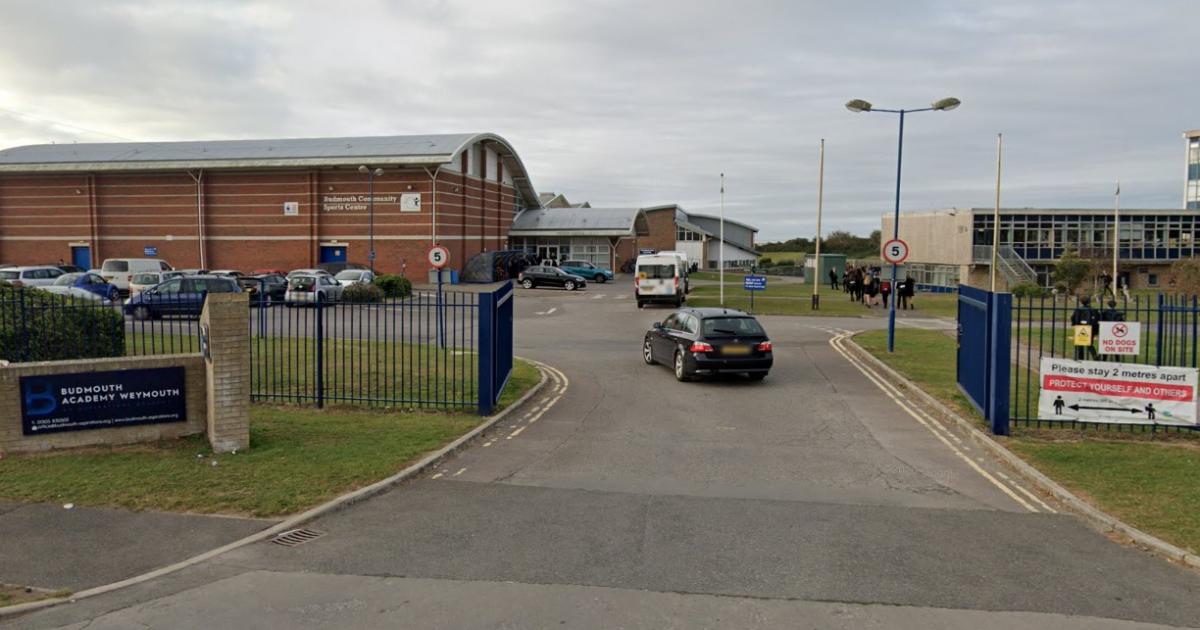
A letter, seen by the Echo, has been written to parents of students at Budmouth Academy after an ‘isolated’ case was identified.
Parents have been told there is “no reason to make any change in the setting routine and no reason for children to be kept at home”.
It comes after an outbreak of meningitis in Kent last week which has resulted in the death of two students.
READ: Sadness as popular store in Weymouth to close its doors
Headteacher Sara Mashike has told parents that risk of another case is “very small” but has provided advice from the UK Security Agency on how to identify symptoms.
A screenshot of the letter sent to parents from headteacher Sara Mashike (Image: Supplied)
She said: “I am writing to inform you that a Student from Budmouth Academy has meningococcal disease which can cause both meningitis and septicaemia.
“There is no reason to make any change in the setting routine and no reason for children to be kept at home.
READ: TV star and former Hollyoaks actor buys Weymouth B&B
“Meningococcal bacteria are carried in the back of the throat of about one in 10 people at any one time, but only very rarely cause illness.
“Most people who carry the bacteria become immune to them. The bacteria do not spread easily and only those who have had prolonged, close contact with the person are at a slightly greater risk of getting ill.
“These people have been identified by the UKHSA Southwest Health Protection Team and offered antibiotics to reduce the chances of the bacteria spreading.
“Others have a very low risk of developing meningococcal disease and no further wider action is necessary at the present time.
READ: Delays to traffic on A354 between Weymouth and Dorchester
“Although the risk of another case is very small, it is sensible to be aware of the signs and symptoms which are detailed below. Also, some people may experience diarrhoea and vomiting.
“Not all of these signs and symptoms may show at once, but someone with this illness will become very ill. The illness may progress over one or two days, but it can develop very rapidly, sometimes in a matter of hours. Very young infants may also refuse feeds and have a high-pitched cry. They may also appear floppy and have a tense and bulging spot on the head (known as a bulging fontanelle)
“Diagnosis in the early stages can be difficult. The early signs can be like bad ‘flu’ symptoms but be watchful and use your instincts. If someone becomes ill with some of these signs or symptoms, contact the doctor urgently and ask for advice or call 999 anytime if you feel their condition is life-threatening or very serious.
“For non-urgent advice out of hours call NHS 111.
“We do recommend that you are up to date with your immunisations/vaccinations, including those which offer protection against some strains of the meningococcal bacteria. Your GP or practice nurse can advise if you’re not sure.
“There are five main strains of Meningitis (ACYW and B). MenACWY vaccine is routinely given at 13 to 15 years and was offered to older teenagers as part of a catch-up programme to ensure protection before leaving school. If you were born on or after 1 September 1996 and were eligible but missed your teenage MenACWY vaccine you can still have the vaccine up to your 25th birthday. If you are older and starting university for the first time, you can also have the vaccine up to your 25th birthday. You will need to make an appointment with your GP practice.
“Even if you had MenC vaccine when you were younger it is important that you get the MenACWY vaccine as it will boost your protection against MenC disease and protects against more groups of meningococcal disease.
“MenB vaccine was introduced into the UK infant programme in 2015 and has only been routinely offered to babies born on or after 1 May 2015.
“Please ensure you are up to date with your vaccinations with your GP practice. Be watchful for signs and symptoms even if you are up to date with vaccinations as available vaccines do not protect against all causes of the disease.
“All meningococcal vaccines offered as part of routine programmes are freely available on the NHS. Vaccines may be available privately for those who are not eligible under these programmes. Meningococcal disease can affect anyone of any age but the national immunisation programmes target those most at risk.”
The Meningitis Research Foundation: www.meningitis.org, 0808 800 3344
Meningitis Now: https://www.meningitisnow.org, 0808 80 10 388 (9am-5pm)
If you have any questions, please call the Health Protection Team on 0300 303 8162.