
Law firm Mishcon de Reya is one of the many firms turning to AI after it received 5,000 applications for 35 roles in its last round of hiring.
“We’ve got more legal graduates, we’ve got fewer graduate roles, and we’ve got more candidates using AI to write more applications,” says Tom Wickstead, early careers manager at the company.
“So for us as an employer, we’ve got this explosion of applications, and it’s harder to tell the difference between those applications,” he says.
They’re trialling an AI chatbot– developed by graduate careers advisors Bright Network that screens candidates at the early stages of the process and asks a series of questions in real time. The tool will even highlight parts of an application that may have been written by AI.
Wickstead insists the feedback they’ve had from candidates so far is positive and says AI recruitment tools could make the process fairer overall.
“I just don’t think that any recruitment process is free from bias,” he says. “So what AI has a potential to do is be far more consistent, far more fair than the old process.”
He stressed that human recruiters would still interview candidates later in the process and take the final decision on a hire.
“What we’re exploring is whether AI can come up with the same decisions, or even better, more consistent decisions than humans can,” he says.
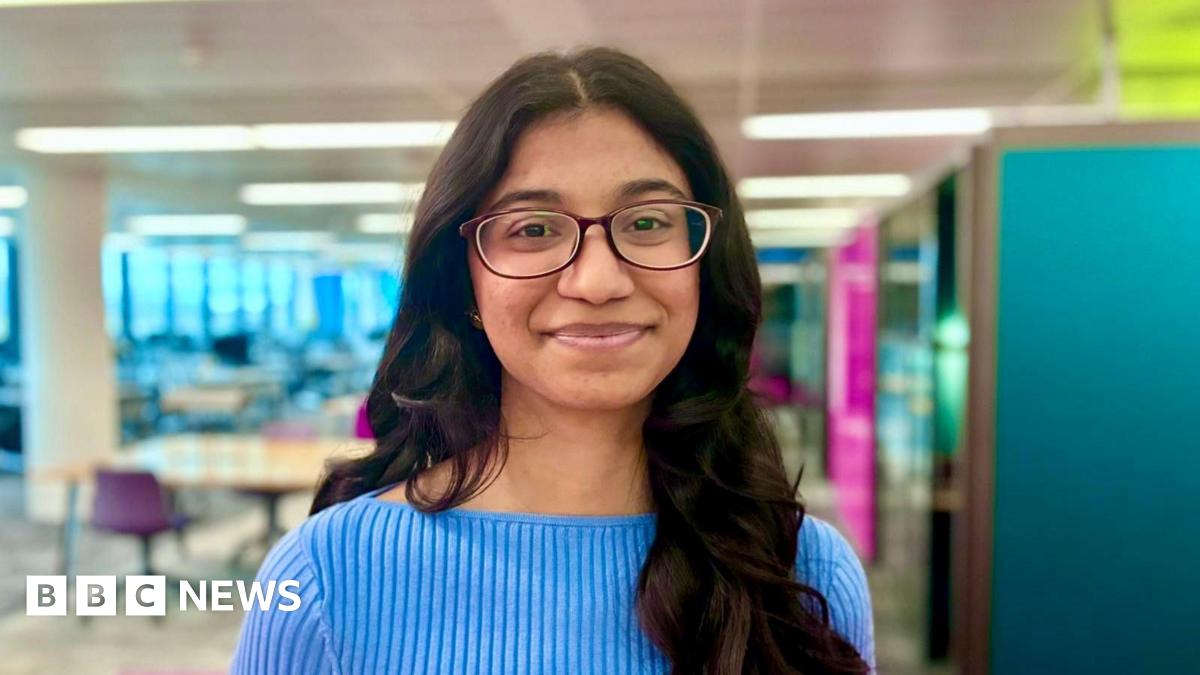
Machines are no match for humans as far as Bhuvana is concerned.
“I don’t trust the AI, I think I’ll always trust a person. But it’s hard to get the opportunity to see the person,” she says.
Adecco’s Denis Machuel says AI and humans need to work together to get the best outcome for prospective employees and hiring companies.
“What needs to happen is to inject the AI smartness at the right moment in the process, so that you compliment the efficiency of AI with the judgement and human touch of people,” he says. “That’s the combination that will break this arms race.”