
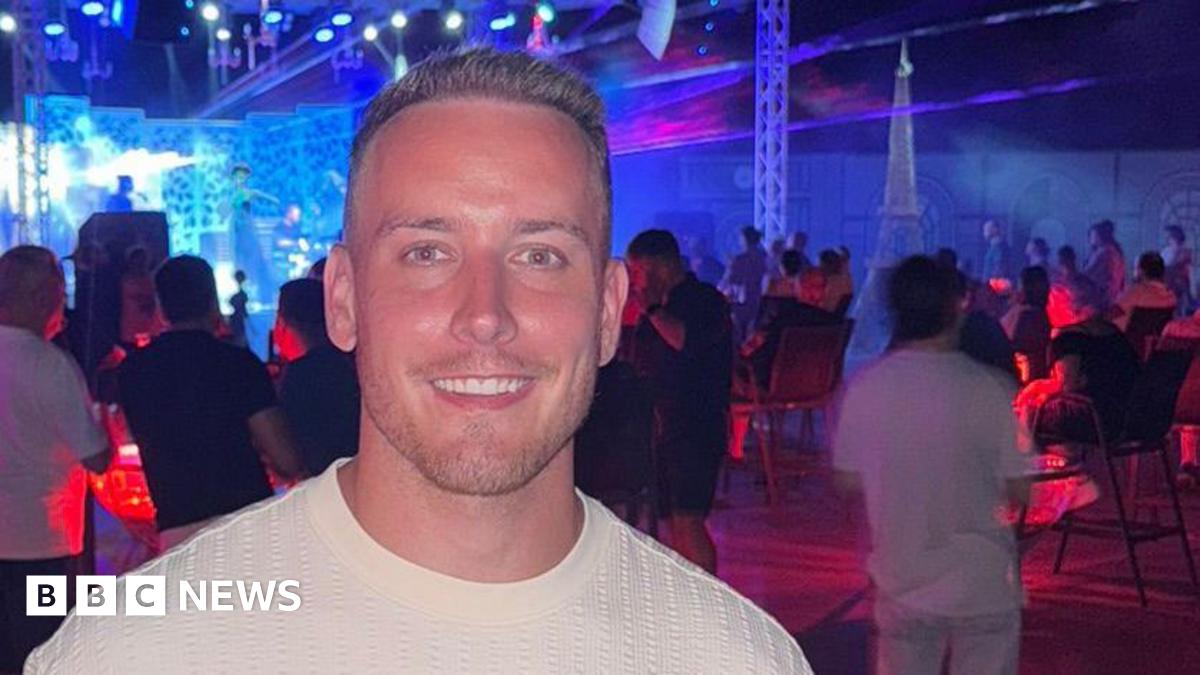
George has also struggled with the impact the disease has had on his social life and identity, which he said had taken a “vast dip, massively”.
Since his diagnosis he has not been able to drink or go out as much with friends as he did previously, he said, while adding fatigue due to the nocturia “is a factor in my life”.
“It’s the loss of identity, that’s the worst challenge overall,” he said.
“You have to become confident in saying no. People say: ‘Don’t let it dominate your life. It’s just something you have’, whatever. But it does dominate your life a lot…
“Early on, it affected my confidence quite a bit.
“It’s been four years, and I would say this year is the first time I started to feel better, in all honesty – like, mentally better about it, because it is a depressing thing.
“I mean, MS does affect your limbic system, which controls your emotions. Maybe that’s impacted, I don’t know. Maybe it’s just because I’ve got a disease that’s incurable.”
George said one thing that has really helped him manage his MS both mentally and physically is training at the gym three to four times per week.
“It keeps me sane, keeps my mind at ease,” he said.
“Things like nutrition and resistance training – I’ve got two dogs I walk every single day, I try to do 12,000 steps a day… I think those things [help with maintaining] a steady state of dopamine.”