
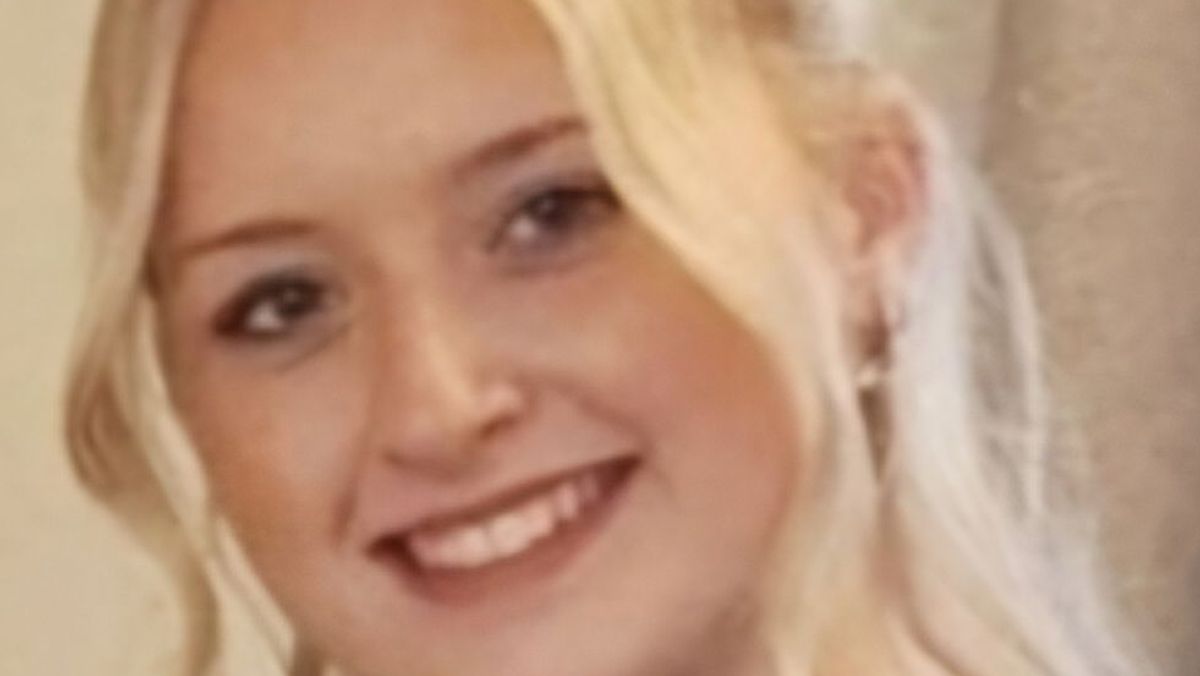
University student Megan Draper, 18, died from meningitis B last autumn and now her parents have a message for others
Meg was remembered for being outgoing, chatty, sporty and kind(Image: Draper Family)
The parents of an 18-year-old girl from Pontypool who died after catching meningitis at university last October have said it is “absolutely tragic” that more students have died from the illness as they put pressure on the government to introduce an NHS vaccine catch-up campaign for the MenB strain.
Megan Draper’s parents Lee and Helen, like many, had assumed their daughter was fully-vaccinated against the serious illness after she received the MenACWY vaccine in secondary school. “It’s heartbreaking to find out afterwards that there was a vaccine available but we just weren’t aware she needed it,” her dad said.
Speaking to BBC Breakfast on Tuesday morning after a deadly outbreak in Kent has taken the lives of two young people, Lee and Helen said communication about the vaccinations had been “really really poor” over the years.
Their daughter Meg was just five weeks into studying physiotherapy at Bournemouth University last year when she developed a temperature and a rash – her condition deteriorated rapidly and four days later she died from meningitis B (MenB).
Speaking to WalesOnline in December, they remembered her for being a sporty and outgoing girl who loved being around other people and helping others.
Helen said: “She was really outgoing and chatty, she was really sporty so loved anything that would get her out and about and enjoying life. She was all about other people and she was definitely gregarious, she didn’t fear a lot, she just wanted to live life.”
Reflecting on the latest outbreak, she said: “It’s absolutely devastating again, we tragically lost Megs when she was studying at university in Bournemouth and to then hear that more students have lost their lives (it is) absolutely tragic.”
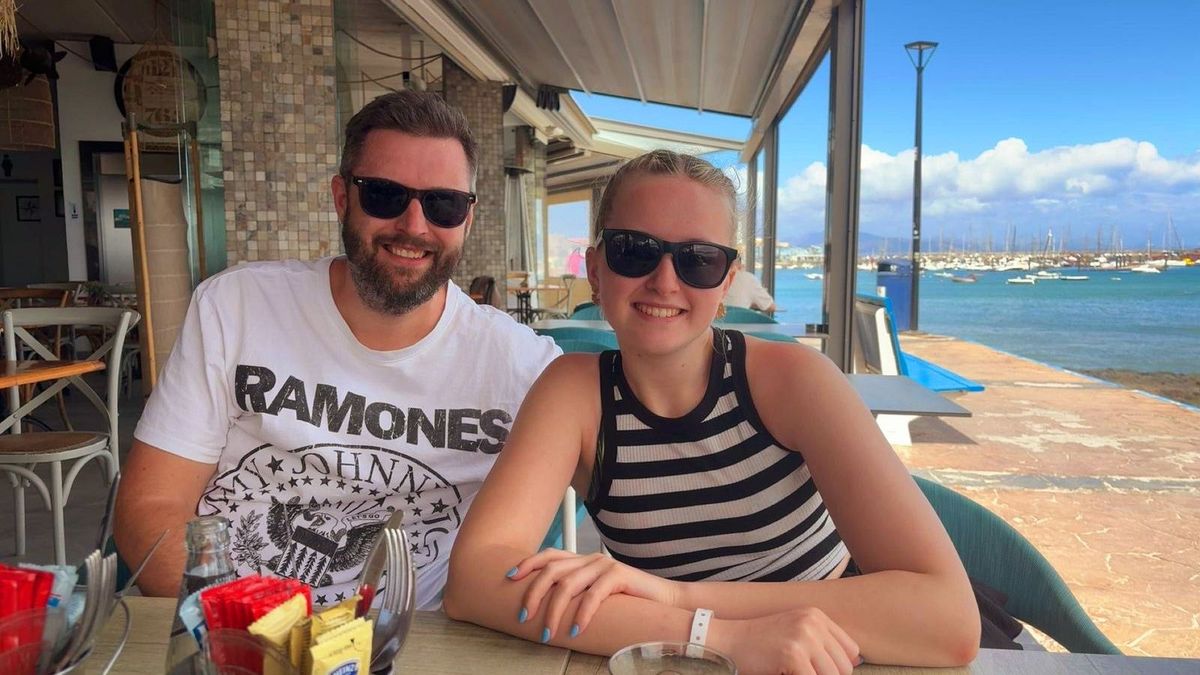
Meg with her dad Lee(Image: Draper Family)
The MenACWY vaccine is widely given to children in school aged 13 or 14 for free on the NHS. The vaccine protects against four types of bacteria linked to meningitis but does not prevent all types of meningitis.
The MenB vaccine, which is the strain linked to the death of two young people in Kent and to Meg, has been provided to babies on the NHS since September, 2015. It protects against bacterial infections caused by meningococcal group B bacteria (MenB).
For those who weren’t offered this as a baby it is available privately but costs £220 for a full course of two doses.
Since finding out about the different vaccinations Meg’s parents have been raising concerns about the misunderstanding surrounding the vaccine and campaigning to make the MenB vaccine more accessible.
Lee said: “We assumed that Megan had had the meningitis vaccination and to us we sent her off to university thinking that. It’s just afterwards knowing what the strain she had, which was meningitis B, knowing that she wasn’t vaccinated against that and we had no idea that she didn’t have protection against that.
“It’s just being aware that the meningitis vaccination that they get doesn’t cover them against all strains and that’s where I think the communication has been really really poor over the years.
Helen added: “Megan had MenACWY when she was in secondary school which covers the other strains. Because she was born before 2015 she isn’t vaccinated against MenB and currently all the university students that are out there at the moment of that age demographic are not vaccinated either.”
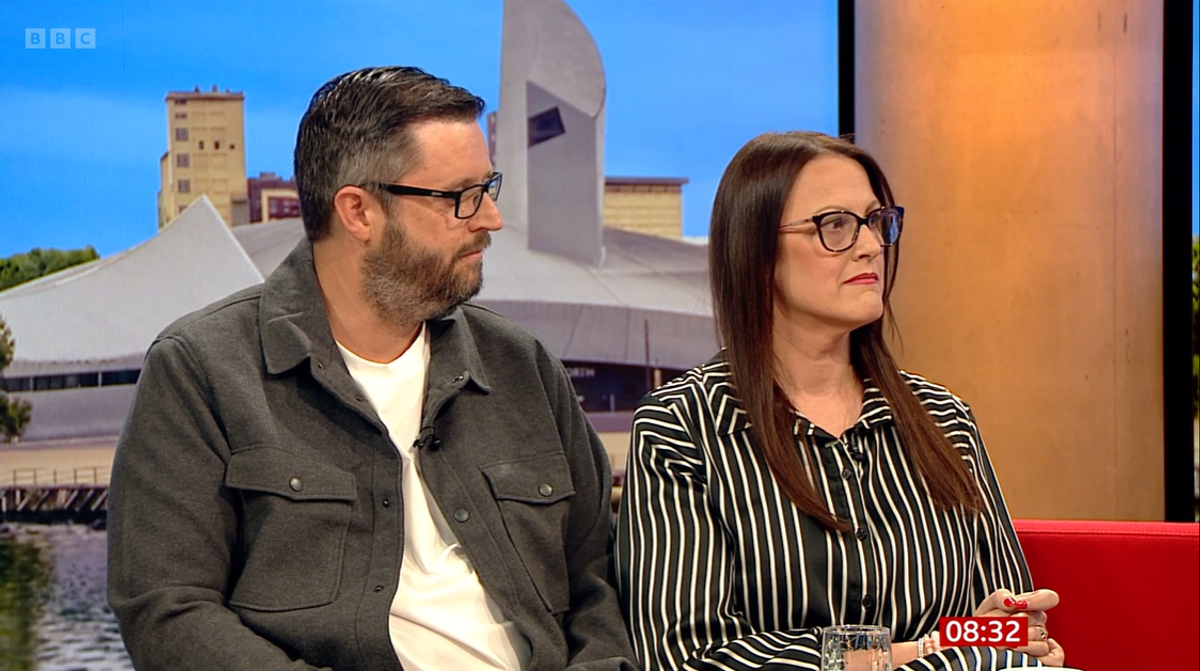
Lee and Helen Draper on BBC Breakfast on Tuesday, March 17(Image: BBC Breakfast)
Dr Tom Nutt, the chief executive of the UK’s largest meningitis charity, Meningitis Now, appeared on BBC Breakfast alongside the couple. He said it’s important to acknowledge the immunisation gap which exists in those who pre-dated the standard MenB baby vaccine.
“A lot of people go to university under the misapprehension that they’ve had a meningitis vaccination that will protect them and as they’ve already said that will be the MenACWY vaccination and that doesn’t protect you against MenB.”
Dr Nutt said parents should make sure their children are aware of the signs of meningitis and know to treat it as a medical emergency.
The charity have been running a campaign, no Plan B for Men B, hoping the government will introduce the vaccine on the NHS to young adults. “We’re seeing too many young people die and having their lives robbed from them in the prime of their life,” Dr Nutt added.
UK Health Security Agency (UKHSA) data for England shows that in 2024/25, MenB was responsible for 100% of invasive meningococcal disease (meningitis) cases in 15 to 19-year-olds. There is no comparable age range data for Wales.
University students, particularly those living in halls of residence, are most at risk from the infection which is passed in a similar way to the common cold. Meningitis Now said that in teenagers and young people up to one in four carry meningitis-causing bacteria in the back of their throats, compared to one in ten in the general population.
UK Health Secretary Wes Streeting announced on Tuesday afternoon that students in university halls in Kent would be offered the meningitis B vaccine in the next few days.
Speaking to the Commons, he admitted that most students would not already be vaccinated due to the vaccine only being rolled out on the NHS in 2015 as part of routine childhood immunisations.
Mr Streeting added that he had asked the Joint Committee on Vaccination and Immunisation (JCVI) to “re-examine eligibility for meningitis vaccines” for a wider group of people after it previously ruled that a catch-up campaign would not be cost effective.
He added: “In light of this latest outbreak, I will be asking them to re-examine eligibility for meningitis vaccines. I will do so without prejudicing their decision because we have to follow the clinical advice on this.”
When asked about the JCVI’s previous ruling on cost-effectiveness, Helen said: “Preservation of life has to be paramount. They’re all priceless and have got their whole lives ahead of them so we absolutely implore the government to reconsider this and provide the vaccine for the adolescents.”
According to the NHS website, the symptoms of meningitis include:
a high temperaturecold hands and feetvomitingconfusionbreathing quicklymuscle and joint painpale, mottled or blotchy skin (this may be harder to see on brown or black skin)spots or a rash (this may be harder to see on brown or black skin)headachea stiff necka dislike of bright lightsbeing very sleepy or difficult to wakefits (seizures)
Get daily breaking news updates on your phone by joining our WhatsApp community here. We occasionally treat members to special offers, promotions and ads from us and our partners. See our Privacy Notice.