
In the decade leading up to the pandemic, the NHS had seen its budget squeezed on a historic level.
Spending rose, but only just, despite fast-rising demand because of the ageing population and an increase in people with long-term health conditions.
The inquiry’s report says this meant the NHS entered the pandemic with not enough beds or staff – a “precarious position” to be in.
The situation meant that the NHS struggled to cope with the surge in Covid patients, particularly in the first wave, with supplies of oxygen almost running out in places.
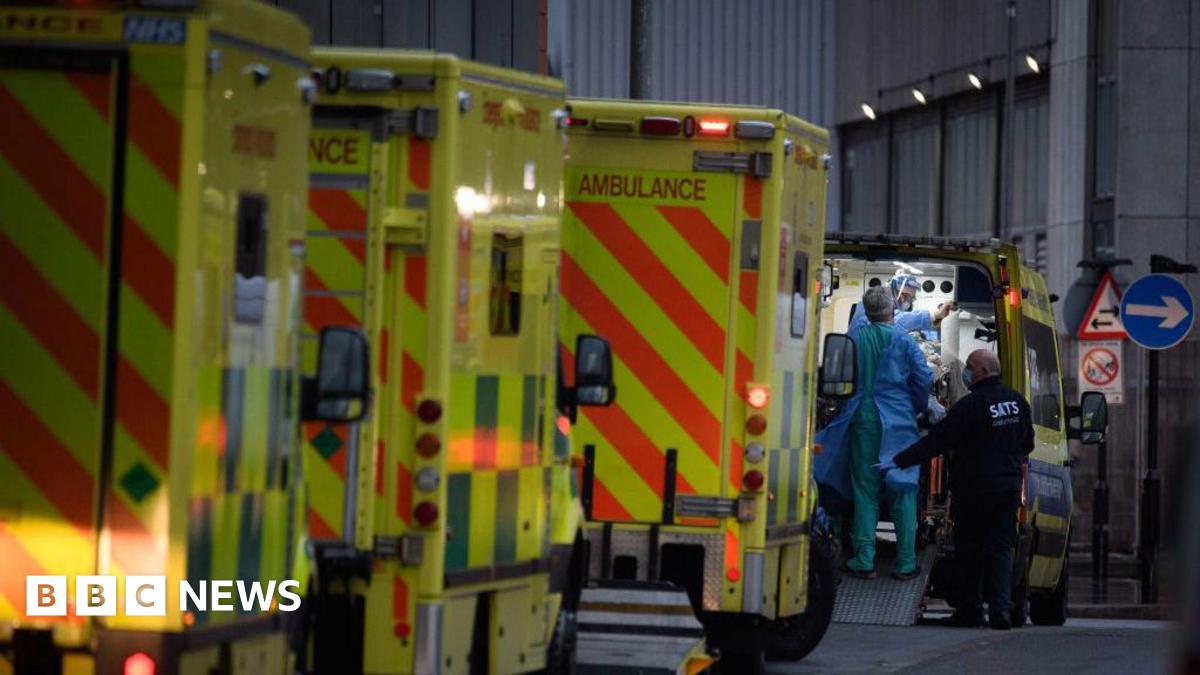
As the pandemic progressed, the NHS reached a state of overwhelm and patients did not get the level of care they needed. The pressure was, at times, intolerable and this continued through wave after wave of Covid.
Waiting times for ambulances, even the most life-threatening calls, grew with some services turning to the military to help.
Intensive care staffing ratios were diluted, going from one nurse to one patient to one to four at times.
A collapse of the NHS was only narrowly avoided, the report says, because of the extraordinary efforts of its staff.