

Your support helps us to tell the story
From reproductive rights to climate change to Big Tech, The Independent is on the ground when the story is developing. Whether it’s investigating the financials of Elon Musk’s pro-Trump PAC or producing our latest documentary, ‘The A Word’, which shines a light on the American women fighting for reproductive rights, we know how important it is to parse out the facts from the messaging.
At such a critical moment in US history, we need reporters on the ground. Your donation allows us to keep sending journalists to speak to both sides of the story.
The Independent is trusted by Americans across the entire political spectrum. And unlike many other quality news outlets, we choose not to lock Americans out of our reporting and analysis with paywalls. We believe quality journalism should be available to everyone, paid for by those who can afford it.
Your support makes all the difference.Read more
Shoppers are being hit with massive price rises for easter eggs this year in addition to products shrinking in size, new research has found.
This “double whammy” effect has seen some products increase in price per gram by as much as 44 per cent, consumer group Which? has warned, as shoppers pay more for less.
By tracking around 25,000 products across major UK supermarkets, the consumer champion found that shrinkflation “has become a prevalent trend in the seasonal aisle” at several retailers.
For instance, a Galaxy Milk Chocolate Extra Large Easter Egg at Asda went from £4.98 for 252g in 2025 to £5.97 for 210g in 2026 – a 44 per cent increase in the price per gram.
Meanwhile, the same Galaxy Easter egg went from £6 to £7 at Tesco, despite seeing the same shrinkage, for a price per gram increase of 40 per cent.
 (Getty/iStock)
Food inflation analysis from Which? found that, despite food inflation decreasing to 3.6 per cent in January from 4.5 per cent in December, the cost of chocolate has surged to 9.7 per cent.
Chocolate manufacturers have said poor crop yields on cocoa farms due to climate change is part of the reason for rising prices.
Which? suggested shoppers look at the unit price (the price per 100g or 100ml) to find the most cost-effective deals. Its researchers also regularly find discounters Aldi and Lidl to be good options for households aiming to save money on their weekly grocery shop.
Reena Sewraz, Which? retail editor, said: “It’s disappointing to see Easter treats aren’t safe from shrinkflation, with some products going up in price significantly, even though they’re smaller than last year. Manufacturers are quietly giving shoppers less for more, so it’s no wonder people feel cheated when they get less bang for their buck.
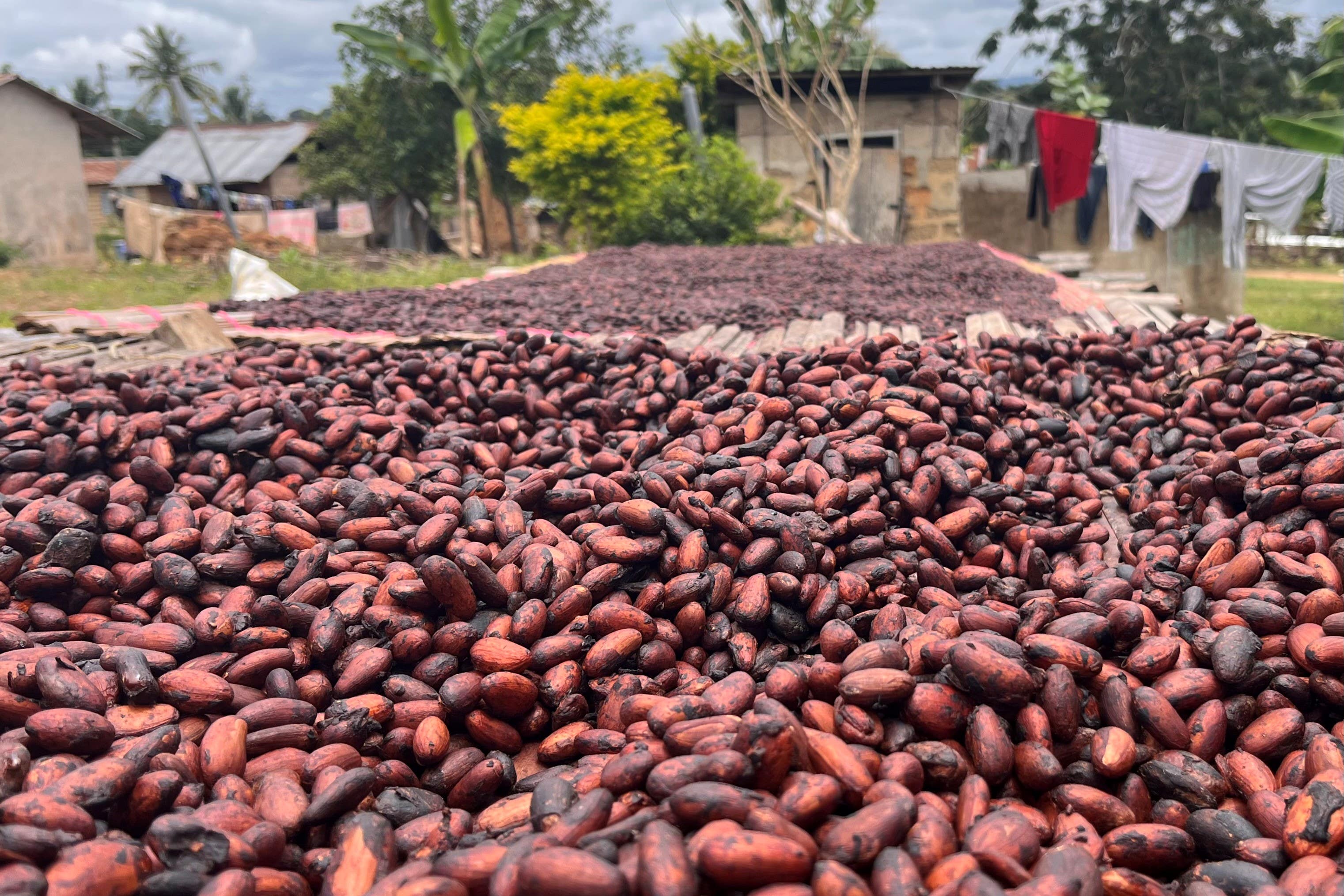 Regions such as West Africa are being hit by climate change (Emily Beament/PA)
“To ensure you’re getting a fair deal, always check the ‘price per 100g’ on the shelf edge label rather than just the headline price. This is the only way to accurately compare different brands and sizes to ensure you are bagging a genuine bargain.”
A spokesperson for Mars Wrigley, which owns the Galaxy, M&Ms and Maltesers brands, said: “We always aim to absorb rising costs wherever possible, however, ongoing pressures, including the well-documented rises in the cost of cocoa, mean we have had to make carefully considered changes to ensure shoppers can continue to enjoy their favourite Easter treats without any compromise on the quality or taste they expect from Mars.
“As with all our products, final pricing remains at the discretion of individual retailers.”
A spokesperson for Tesco said that the prices quoted by Which? do not reflect the prices that most customers will pay due to not accounting for Clubcard prices.
A spokesperson added: “Through our unique combination of Aldi Price Match, Everyday Low Prices and Clubcard Prices we are focussed on delivering great value for our customers, however they choose to shop with us.”
Asda was approached for comment.