
The DOJ said in a statement on Thursday, external that it had arrested US-citizen Yih-Shyan “Wally” Liaw and Taiwanese citizen Ting-Wei “Willy” Sun, while Ruei-Tsang “Steven” Chang, a Taiwanese citizen, remains a fugitive.
Liaw is the co-founder of California-based Super Micro Computer, a publicly traded firm that builds servers and supplies tech equipment for clients.
In a statement on Thursday, Super Micro said it was cooperating fully with the investigation and noted that the firm was not named as a defendant in the case – though it confirmed that the three individuals were associated with the company.
Super Micro said it had placed Liaw, the firm’s Senior Vice President of Business Development, and Chang, a sales manager, on leave. It also said it had terminated ties with Sun, who was a contractor.
“The conduct by these individuals alleged in the indictment is a contravention of the company’s policies and compliance controls, including efforts to circumvent applicable export control laws and regulations,” the firm said.
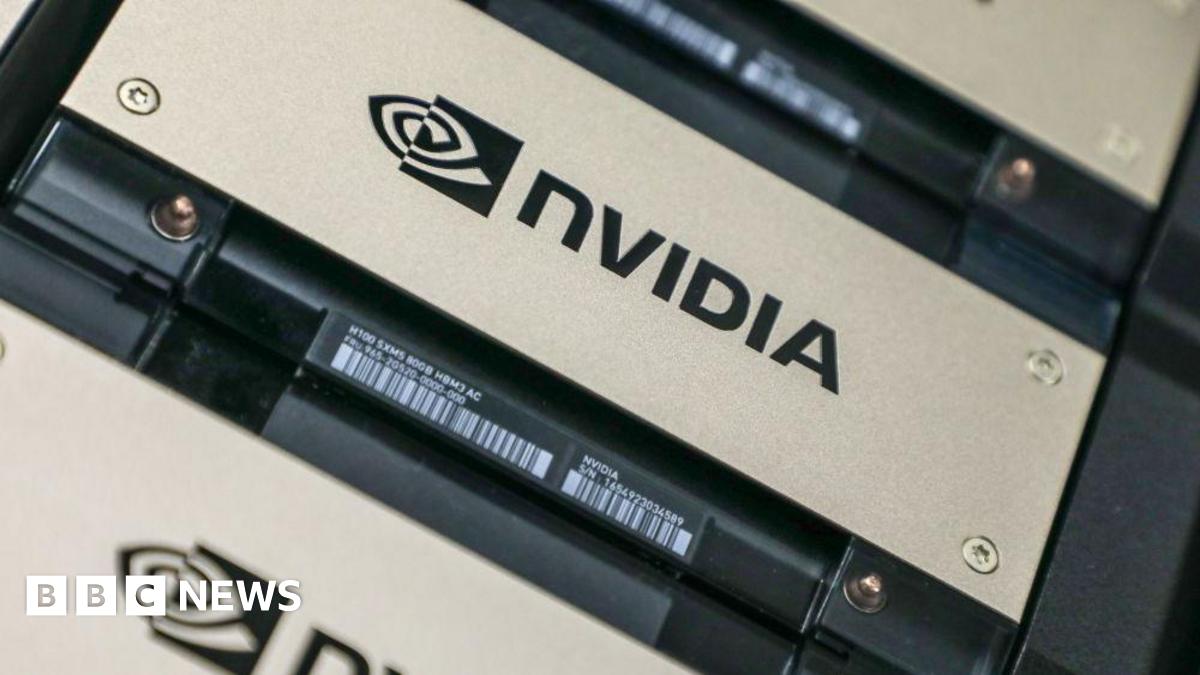
Neither court documents nor the DOJ named Super Micro as the trio’s employers. Court documents said only that they worked for the same US manufacturer, and that that manufacturer worked with high-end computer chips, including those designed by Nvidia.
Nvidia’s semiconductors are highly regarded in the AI industry, with most of its advanced chips subject to US export controls that block their sale to China without a license, due to national security and foreign policy concerns.
A spokesperson for Nvidia told the BBC the firm works closely with its customers and the government on compliance programs.
“Unlawful diversion of controlled US computers to China is a losing proposition across the board,” said the spokesperson. “Nvidia does not provide any service or support for such systems, and the enforcement mechanisms are rigorous and effective.”
The US government, which initially sought to stop Beijing from obtaining Nvidia’s advanced processors, said in December that they would allow the company to export some of its chips to China.