
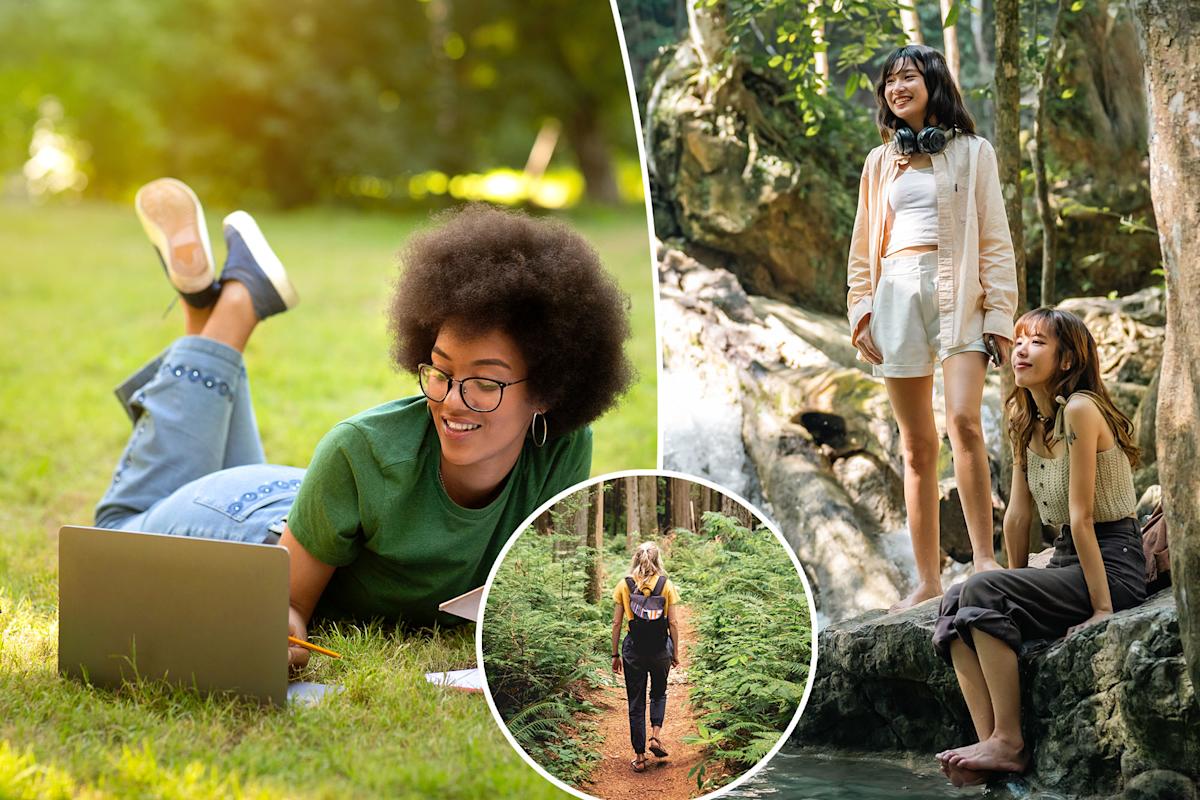
Employed Gen Zs are skipping work and taking “greenday” mental health breaks in nature, abandoning their jobs and responsibilities.
Oh, gimme a break!
Newcomers to the workforce are already in need of respites from the rat race. So, they’re ditching the daily grind to enjoy a little midweek mindfulness in nature amid the rising “green days” movement.
“I’m really enjoying my day off from work,” raved a 28-year-old law office assistant, in part, while frolicking barefoot through grass in a trending vid. “I’m putting my health first and taking it easy.”

Gen Zers from coast-to-coast and beyond are calling out of work to take mental health “green days” in the great outdoors. Tiktok/artworxai
It’s the easy way out of doing a hard day’s work.
As if Gen Zers, young adults under age 29, don’t already have a bad rap for being “lazy and entitled” loafs totally unprepared for the corporate world, the youngsters are now abandoning their posts for green days — time away from the office for time spent in the forest or at the beach — during normal business hours.
And while the spontaneous outing might come as a nuisance to the 65% of employers who’ve deemed Zoomers the “hardest generation to work with,” owing to their poor communication skills, lack of focus and emotional fragility — not to mention their near-crippling dependence on mommy and daddy — randomly going “green” for a day does have its benefits, per reports.

The workforce newbies have caught heaps of flak from employers, who’ve labeled them unfit for the real world. Prostock-studio – stock.adobe.com
A staggering 55% of the world’s population lives in urban areas — a proportion that is expected to increase to 68% by 2050, according to The World Health Organization (WHO), which notes that a lack of fresh and activity makes folks vulnerable to noncommunicable disease.
Rather than staying cooped up in a cubby, experts suggest squeezing in a little “green time” from time-to-time.
“Spending time in nature can help relieve stress and anxiety, improve your mood and boost feelings of happiness and well-being,” says the American Heart Association. “Whatever you call it – forest bathing, ecotherapy, mindfulness in nature, green time or the wilderness cure ‒ humans evolved in the great outdoors, and your brain may benefit from a journey back to nature.”
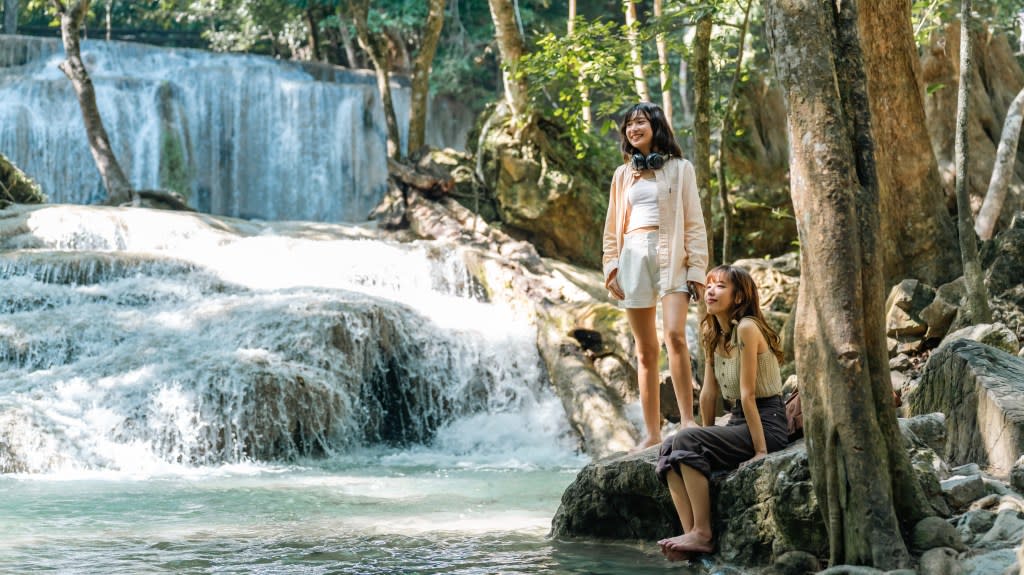
Research finds that just a few moments outdoors can boost one’s mental health. CandyRetriever – stock.adobe.com
Researchers from the UK even found that a minimum of 20 to 90 minutes outdoors each day is “effective for improving mental health outcomes.”
The brain boost, however, does not require a full 9-to-5 shift.
Still, the Gen Zs who’d rather play in the green than make some green seem happy with their self-serving choices.
“Midweek day off in the sun though,” gushed a on-the-go gal taking full advantage of her PTO.
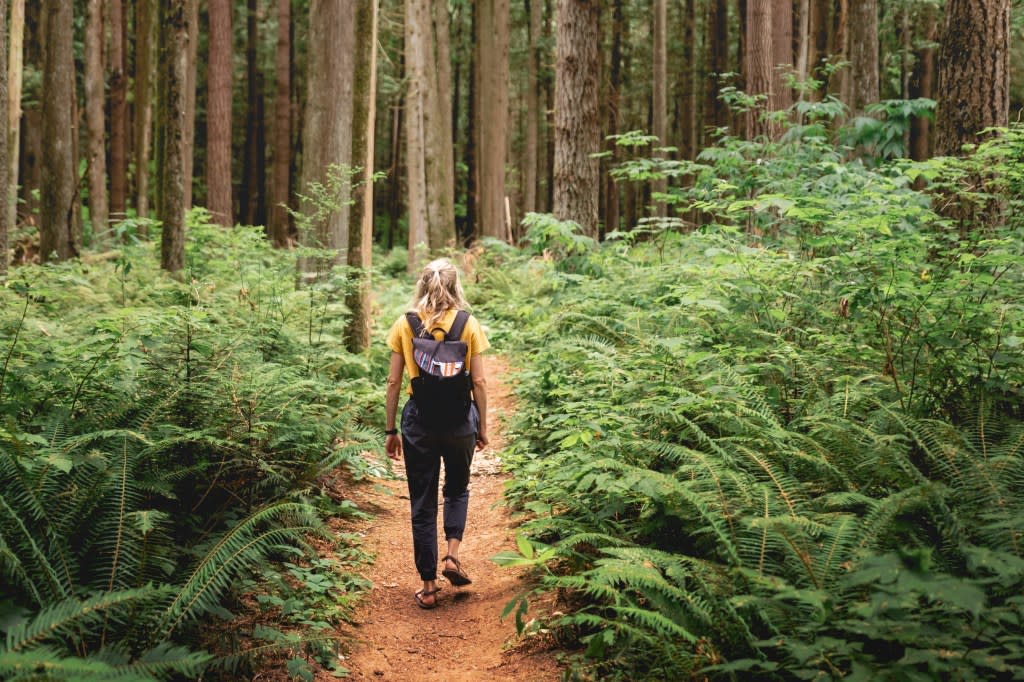
Youngsters are skirting their workplace responsibilities for the sake of their personal needs and desires. Jon – stock.adobe.com
“What my mornings look like on my day off,” another captioned footage of herself hiking near a waterfall, far away from big business.
“Days off recharging around nature,” wrote a carefree couple beneath a clip of themselves tabling their responsibilities to kiss in a forest.
Must be nice to lead the green Gen Z life.