
Richard Bookstaber – who worked at a hedge fund before moving on to the US Treasury – has some dire predictions for the future of the global economy
05:00, 20 Mar 2026Updated 07:25, 20 Mar 2026
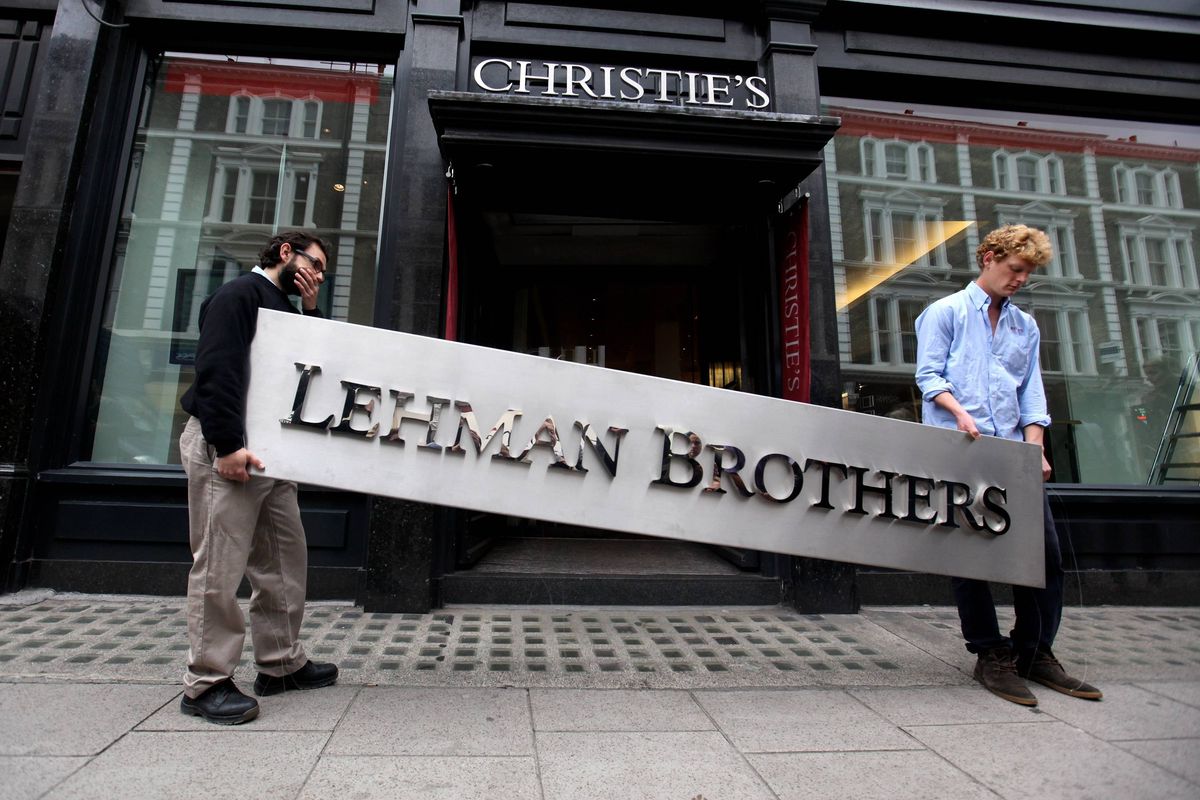
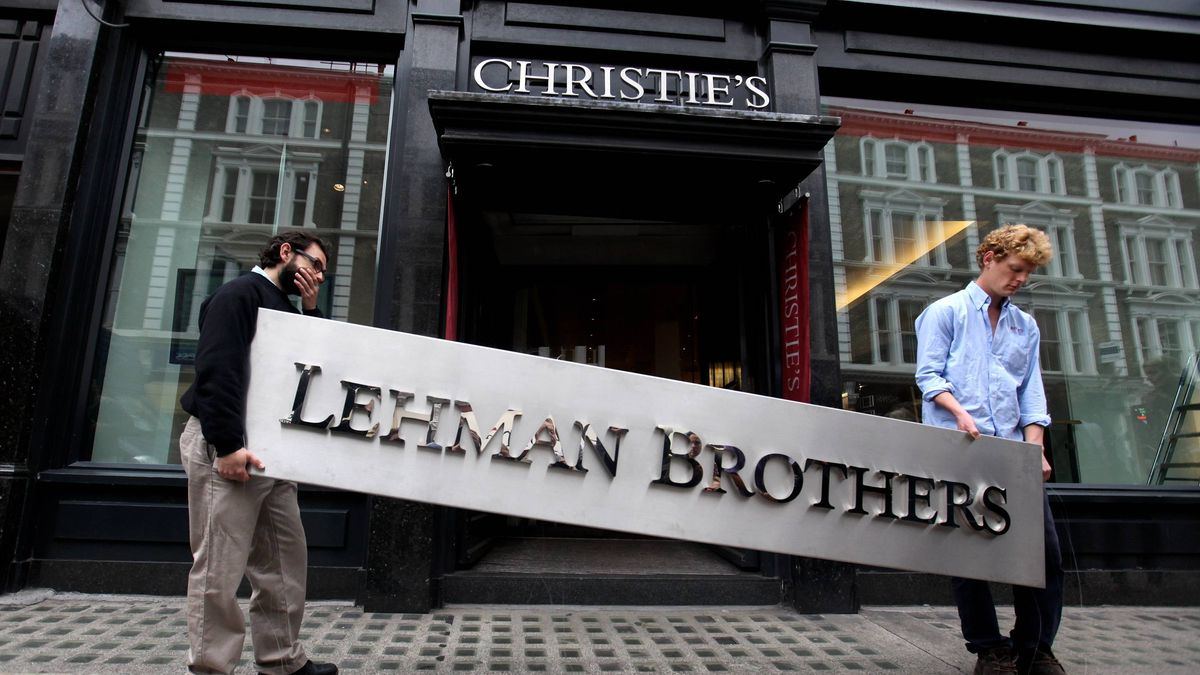
The 2008 crisis spelt the end of a number of major financial institutions(Image: Oli Scarff, Getty Images)
The 2008 financial crisis was one of the most dramatic and far-reaching economic disasters in living memory. Triggered in early 2007 by reckless lending in the US property market, it spread worldwide, deepening an already severe recession and forcing government bailouts of financial institutions around the world.
Now former hedge fund employee Richard Bookstaber – who wrote A Demon of Our Own Design, which predicted the coming crash in 2007 – says something worse may be on the horizon.
“We have returned to a period of risk,” he writes in the New York Times, “one rife with the sort of pressures that have led to major financial crises. This time, the risks are spread across industries, markets and nations: artificial intelligence, the roughly $2 trillion private credit industry, stock markets, Taiwan and now Iran.”
Richard points out that many of the borrowers underpinning the lending industry are software and technology companies — exactly the kinds of businesses, he says, whose services could soon be replaced by AI.
The existing conflict in the Middle East, along with a long-threatened standoff between the US and China in the South China Sea, will only further destabilise these industries, he warns.
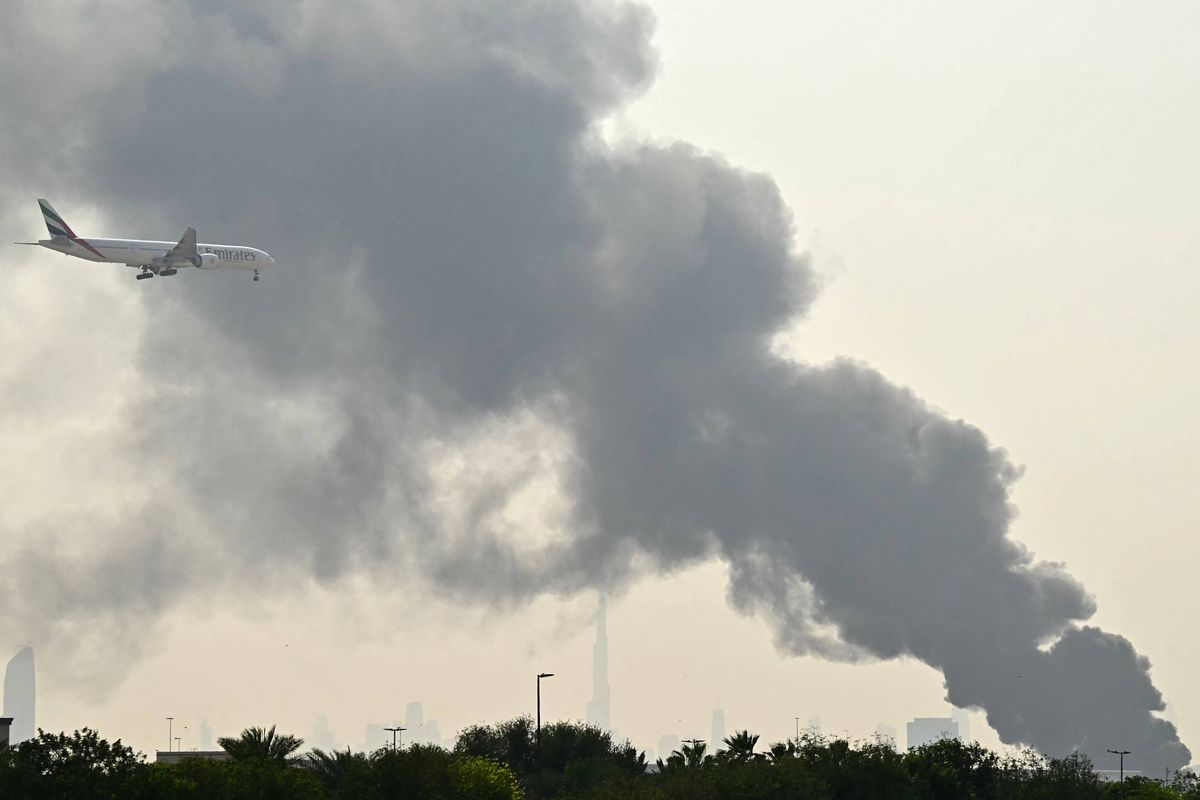
Conflict in the Middle East will have a devastating effect on the US economy(Image: STR, AFP via Getty Images)
“Take Iran,” Richard writes. “An energy shock from the conflict that raises the cost of power or constrains its supply directly affects data centres and AI production.” This will push up costs for the AI infrastructure that more businesses are coming to depend on, he warns.
There is also a growing risk that China could move against Taiwan. The Chinese government has long insisted that Taiwan is its territory, and only a strong US military presence in the region has so far deterred action.
With the US potentially bogged down in a prolonged and costly conflict in Iran, Xi Jinping could decide that the time is right to blockade or even invade the island.
That would have a devastating impact on AI-reliant businesses: a single Taiwanese company supplies more than 50% of the world’s computer chips.
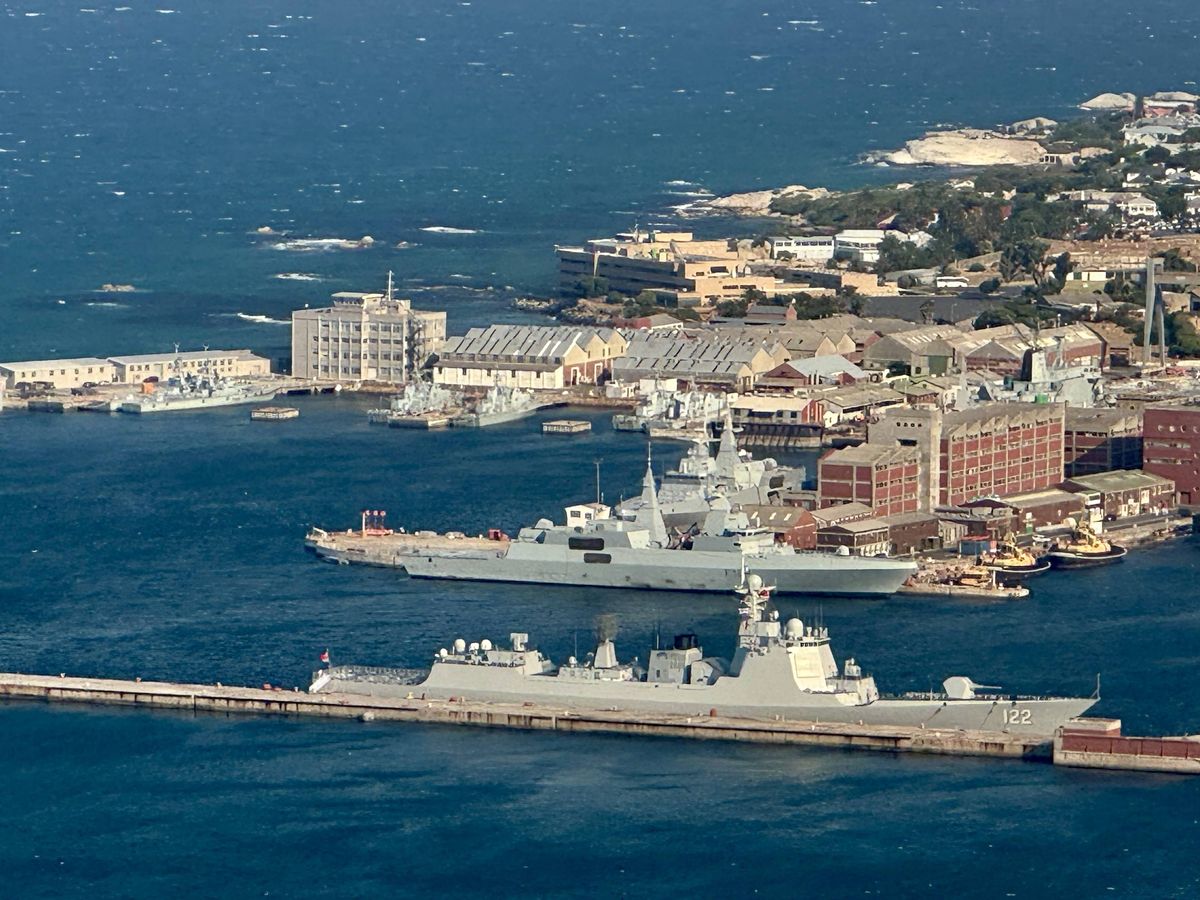
China has been poised to move against Taiwan for years(Image: Anadolu, Anadolu via Getty Images)
This would have “inevitable knock-on effects,” Richard warns, adding that simultaneous conflicts in the Middle East — disrupting global oil supply — and in Taiwan — crippling the West’s AI infrastructure — could inflict unprecedented damage on the global economy.
It is the increasing interconnectedness of the world’s economies, he says, that makes a new financial crisis more dangerous: “Our current financial system fails not because any one thing goes wrong. It fails because different shocks propagate through the same structure and in ways that are hard to anticipate,” he writes.
“When something eventually goes wrong, it spreads faster than it can be contained.”
Richard adds that today’s financial system may be even more vulnerable than in 2008: “The physical risks of Iran, Taiwan and the A.I. boom are supplanting the types of financial risks that preceded 2008,” he said. “I’d take financial risk any day. Financial risk moves just prices. Physical risk moves the world.”