
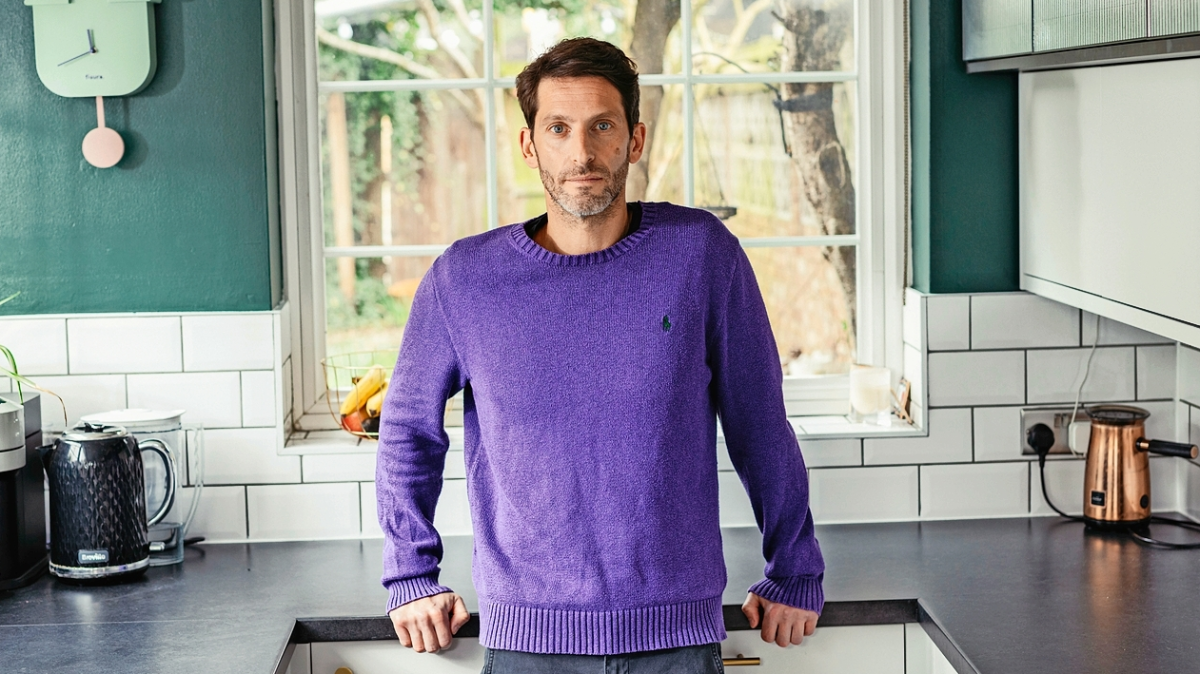
For most men, getting their heads around the menopause feels like the emotional equivalent of building an Ikea wardrobe but with Japanese instructions, no Allen key and both hands tied behind your back. One recent survey found that one in four men did not know what menopause is, and only about half believed they knew someone who had experienced it.
Given the fact that 13 million women in the UK are in perimenopause or menopause right now, that means millions of men are living alongside a hormonal transition they barely understand.
The consequences can be serious. Research has found that 73 per cent of divorced women said menopause — and the lack of support or spike in arguments that can come with it — had contributed to the breakdown of their marriage.
My interest in menopause started five years ago when my partner, Lucy, needed surgery to remove a large ovarian cyst, which carried a risk that she could lose her ovaries. “What would that mean?” I asked. “Crash menopause,” the surgeon said. Lucy was 35. I nodded along without a clue what that really meant.
I thought I knew quite a lot about the human body. I had spent the previous decade as a health journalist and editor of Men’s Fitness, interviewing hundreds of doctors, psychologists, nutritionists and fitness experts. But I knew only about men. I’m not sure I could even spell “oestrogen”, let alone explain what it did.
Luckily the surgery was a complete success but we had only kicked the can down the road. Menopause and perimenopause — the hormonal transition that typically begins in the forties before periods stop completely — was heading our way. Like most men I still had no idea what it meant for her, for me or for our relationship. So I decided to find out.
While there are now plenty of books to help women navigate perimenopause, I couldn’t find much to help me to support Lucy through it. When I started speaking to experts and women in the midst of it, I kept hearing the same thing. When perimenopause hit, many partners reacted in one of two ways: they either stuck their heads in the sand and hoped it would blow over (spoiler — it probably won’t) or they tried to help, but in such a hamfisted way that they made things worse.
So if a men’s guide to the menopause written by a man didn’t exist, I decided I had better write it. I teamed up with a fellow health writer Rob Kemp, 56 — whose wife had already come out the other side of menopause — to make sense of it all together. After 18 months interviewing doctors, scientists and women living through it, these are the key things I wish more men understood.
Women can sometimes miss the first signs in themselves
One of the first people I interviewed was Dr Louise Newson, a GP and leading menopause specialist — who was frank about failing to recognise perimenopause in herself, despite experiencing night sweats, worsening migraines and overwhelming fatigue.
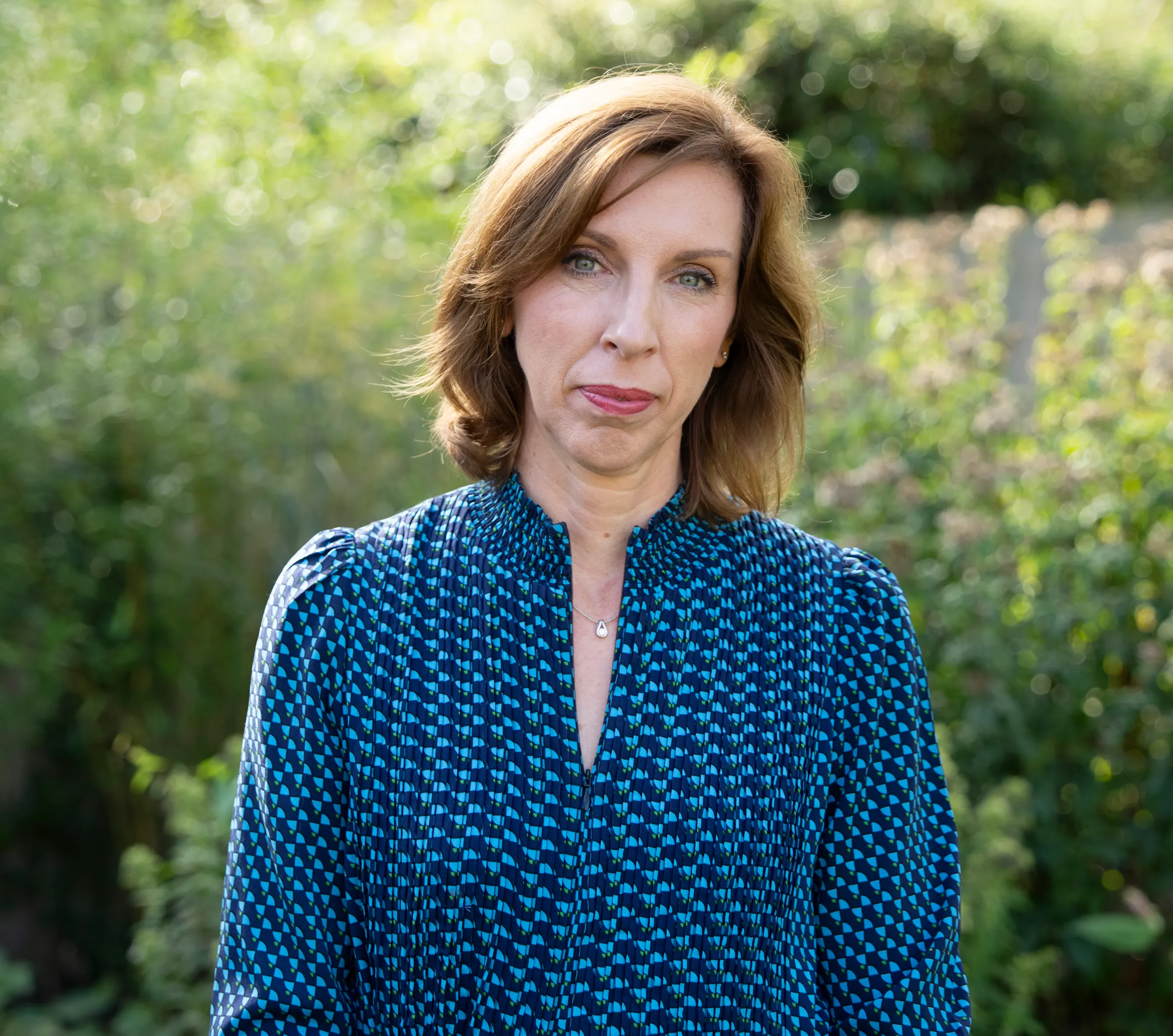 Dr Louise Newson: “There is no single menopause experience”ANDREW FOX FOR THE TIMES
“I’m not a sweaty person, but I’d be covered in sweat thinking, ‘Lymphoma causes night sweats. Maybe I’ve got that’,” she told me. “You’re [focusing] on immediate things like, ‘God, where are my car keys?’ or ‘How am I going to get to work on time?’ not ‘Maybe my hormones are changing’.”
If a GP can miss the signs, it’s hardly surprising that so many women miss them too, which is why partners can play a crucial role in joining the dots.
Don’t minimise her experience
As Newson told me, there is no single menopause experience. It doesn’t follow a neat pattern and no two women experience the same symptoms in the same order. Part of the problem is that many symptoms can be invisible — or sound so strange they’re hard to imagine if you’ve never experienced them yourself. Crippling brain fog. Sudden anxiety. Even formication — a symptom linked to fluctuating oestrogen levels that can increase nerve sensitivity and feel like insects crawling under the skin. Rob’s wife, Amanda, once called an ambulance after heart palpitations so severe she thought she was having a heart attack.
Comments such as “you’re probably just tired/stressed” might be meant to reassure, but can deepen feelings of isolation and frustration.
Don’t hide in the gym/office/on long bike rides
When home life feels chaotic, many men retreat to places where they feel in control. They spend longer hours at the office, in the gym or on the golf course — sometimes even thinking they’re doing the right thing by staying out of the way.
Working hard or keeping fit can be healthy ways to manage stress. The problem is that when they become a way of avoiding what’s happening at home a partner can feel abandoned or blamed, and the distance between them can increase.
Kate Rowe-Ham, a menopause coach and author, told me that when she went through perimenopause, she considered packing her bags. “Not because I didn’t love my husband, but because I couldn’t cope. I had spent years doing everything: the house, the kids, the cooking, the mental load… Then the hormones hit. I cracked.”
Although their marriage survived, “so many men are blindsided when their partner walks away,” she says. “But the signs are always there. The men who miss them just weren’t paying any attention.”
Your job is to offer support, not solutions
Many men instinctively respond to problems by trying to solve them, so when someone we love says they’re struggling, our reflex is to fix. What many women told me they needed from their partner wasn’t advice, but support — to feel like they were being heard rather than that they were a problem to be solved.
If you’re not sure where to start, try “Do you want to be hugged, helped or heard?” suggests Jessica Barac, founder of the women’s health platform What the Menopause. “It may sound silly, but it cuts straight through.”
Sleep might fall apart — here’s how to adapt
Hormonal changes can affect temperature regulation and stress hormones, which is why night sweats, insomnia and other sleep problems are so common during perimenopause. About three in four women experience hot flushes and night sweats and about half report sleep disturbance.
When one partner sleeps badly the other usually does too. Broken sleep doesn’t just leave people tired. Tempers shorten, anxiety creeps in and small problems feel much bigger.
Besides fans, open windows and natural fibres like cotton, linen or bamboo can help, releasing heat far better than synthetic bedding or pyjamas.
Some couples swear by the Scandinavian sleep method: instead of sharing one large duvet, each partner has their own, making it much easier to control temperature. If she still needs space don’t take it personally. Sometimes the best support comes from the spare bed.
What to do about mood swings (clue: they’re not about you)
Sudden mood changes are one of the most confusing and frustrating symptoms — for everyone involved. Hormonal changes can affect how the brain regulates mood, stress and resilience, meaning emotions can surface more quickly and feel harder to control.
The mistake many partners make is assuming the frustration or anger is directed at them. Sometimes it is — but don’t escalate by arguing or sulking. Nigel Taberner, a former hostage negotiator who now coaches private clients in communication and conflict resolution, told me: “In tense moments, most men become interrogators: ‘What’s wrong?’ ‘What did I do?’ But questions can feel like pressure, especially if your tone or timing is off.”
A shared shorthand can help flag a high-emotion or low-capacity day without a long explanation, Barac says, helping you to stay on the same team rather than going head-to-head. “Some couples use battery levels: ‘I’m running at 20 per cent.’”
Yes, your sex life might disappear for a while
Some women lose all interest in sex during perimenopause. Hormonal changes can make desire vanish, or cause pain and discomfort that make intimacy feel impossible. Add exhaustion, anxiety and broken sleep, and it’s hardly a recipe for romance — yet it’s easy to take it personally.
Sarah Louise Ryan, a dating and relationship therapist, told me that men and women are often on different sexual wavelengths. “I often suggest men do the laundry for a month and see what happens to her libido.”
Many couples find that once symptoms stabilise, HRT treatment begins or communication improves, desire gradually returns. And while sex in midlife may look different from sex in your twenties, it often becomes more relaxed, more connected and more enjoyable than before.
Men change in midlife too
Perimenopause is a big hormonal transition, and nothing men experience in midlife is comparable. But that doesn’t mean men aren’t changing as well.
“Male testosterone levels gradually decline with age — around 1-2 per cent a year from the age of 30, often faster with lifestyle factors such as obesity, high stress and poor sleep,” says Dr Jeff Foster, a GP and male sexual health expert. This can affect energy, sleep, mood and libido. Add work pressure, money worries and relationship strain, and some men find themselves more irritable, more tired or less resilient than they used to be.
When both partners are struggling, misunderstandings can multiply. Couples who face midlife together often come out the other side stronger. Many become better at communicating, more supportive of each other’s needs, and more open about how they’re feeling.
Burning Up, Frozen Out by Joe Warner & Rob Kemp (John Murray £16.99). To order a copy go to timesbookshop.co.uk or call 020 3176 2935. Free UK standard P&P on online orders over £25. Special discount available for Times+ members