
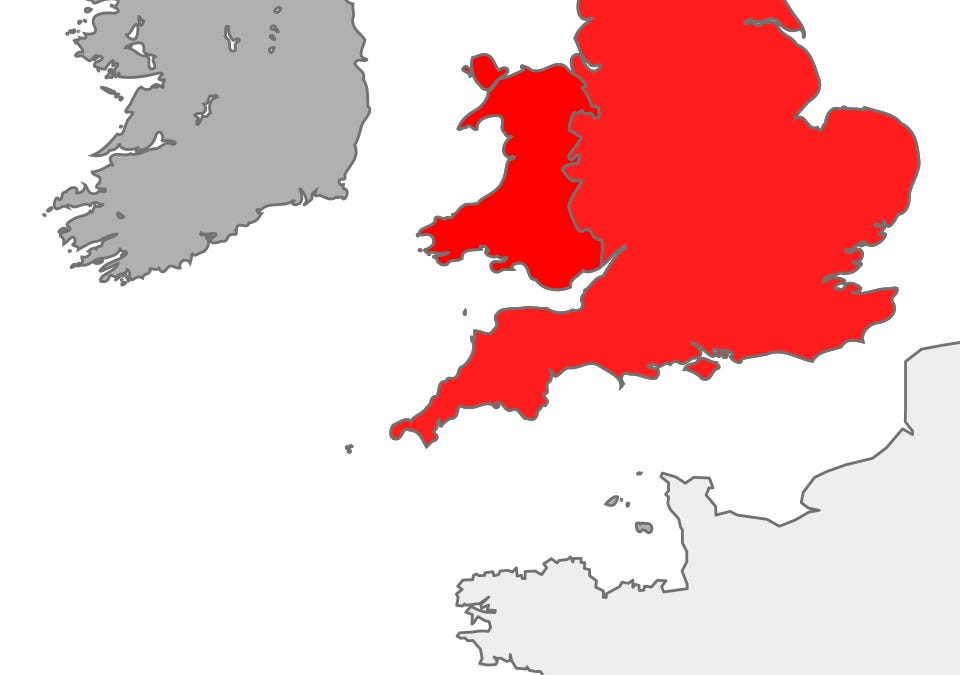
With the outbreak of meningococcal disease (MenB) in Kent in southeast England, surrounding countries in the United Kingdom remain alert for the disease.
Scotland
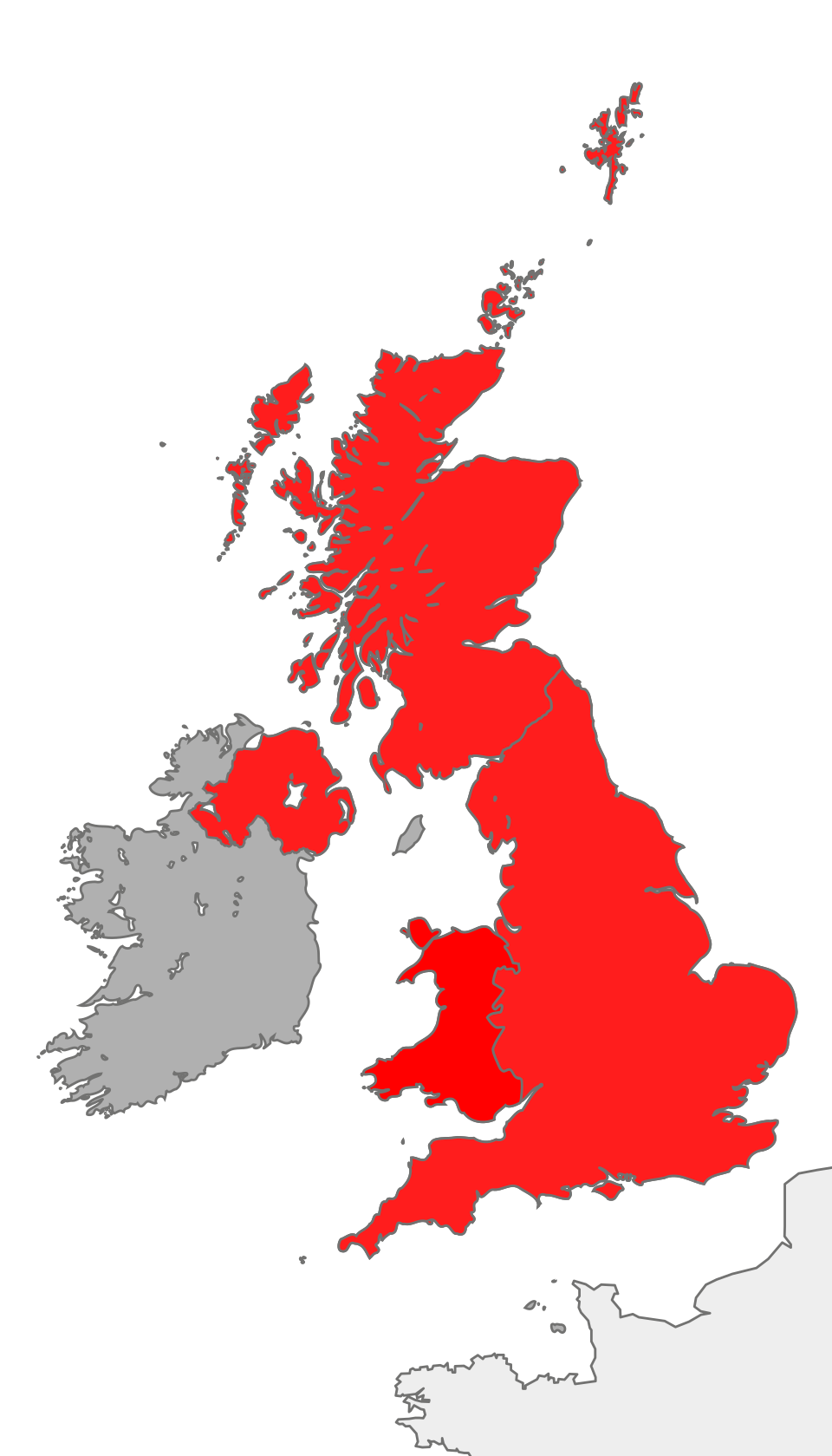
Public Health Scotland (PHS) is working closely with the UK Health Security Agency (UKHSA), other public health colleagues across the UK and NHS Boards in Scotland, to monitor the outbreak of meningitis in Kent.
 Image/Cnbrb
There are currently no cases known to be linked to this outbreak in Scotland and therefore no evidence of any increased risk here.
Dr Jim McMenamin, Head of Health Protection Infection Services at PHS is encouraging everyone to be aware of signs and symptoms of meningitis:
“Meningitis and meningococcal septicaemia can be very serious and life threatening if not treated quickly. Signs and symptoms include a sudden high temperature, severe and worsening headache, a stiff neck, joint and muscle pain, vomiting and diarrhoea, a rash that doesn’t fade when a glass is rolled over it, confusion, drowsiness or unresponsiveness, a dislike of bright lights, and seizures (fits). These symptoms can appear in any order, but some may not appear.
“If you or anyone you know develops symptoms, seek medical help immediately. Phone 999 for an ambulance or go to your nearest accident and emergency (A&E) department. Phone 111 or your GP practice for advice if you’re not sure if it’s anything serious or you think you may have been exposed to someone with meningitis.”
Wales
Dr Christopher Johnson, head of the Vaccine Preventable Disease Programme (VPDP) at Public Health Wales, said:
“We are aware of the reports of invasive meningococcal disease in Kent and our thoughts are with those affected.
“While meningococcal disease is rare, it can become very serious quickly. Recent surveillance data show that cases in Wales remain relatively low, with 18 notifications of meningococcal disease reported in 2023 and 19 reported in 2024.
“Vaccination is a key way of protecting against meningococcal disease. In Wales, vaccines that protect against several types of meningococcal bacteria — including types A, B C, W & Y — are offered as part of the routine NHS immunisation programme for infants (Meningococcal type B) and teenagers (Meningococcal types ACW&Y).”
Meningococcal meningitis with Rodney Rohde, PhD
Northern Ireland
The Public Health Agency (PHA) just ruled out a probable case of meningitis in a pupil at a Belfast school, they announced Friday.
No further actions are required from pupils, friends, or anyone who may have had contact with the individual.
All appropriate public health actions have been completed.
To date there is no evidence of spread beyond the South East of England.