
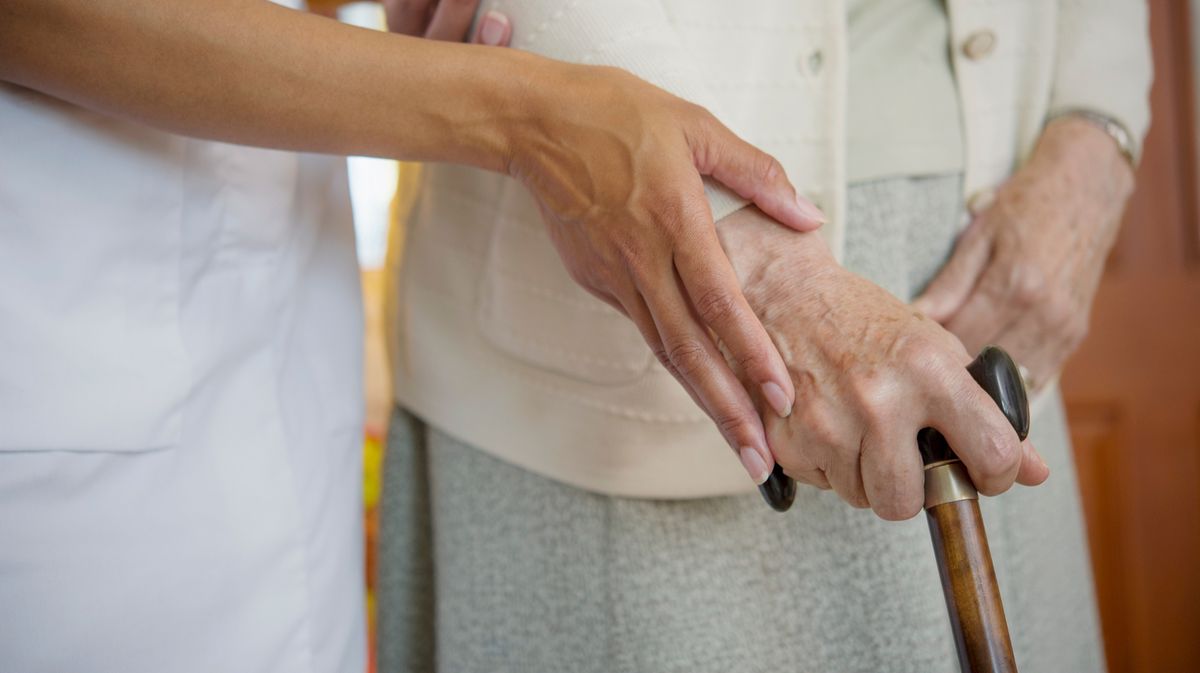
The Care Quality Commission (CQC) praised staff at HQ for being caring and compassionate, but said the service did not always care about their wellbeing
(Image: Getty Images / Jacobs Stock Photography Ltd)
An independent ambulance service has been told it needs to improve by the care regulator, with its leadership rated “inadequate”.
The Care Quality Commission (CQC) gave Stockton-based HQ an overall rating of “requires improvement”, with areas of safety, effectiveness and responsiveness also receiving that rating. It was rated “good” for being caring.
The CQC said staff – about 30 in a mental health transport team and about 22 in a non-emergency patient transport service, most said to be on zero-hour contracts – treated people with kindness, empathy and compassion and respected their privacy and dignity. They were praised for communication and teamwork, being prompt, friendly, caring, calm and professional, with ambulance crews going “above and beyond their role to support patients”.
It said the service treated people as individuals, promoted their independence, made sure their care, support and treatment met their needs, listened to their views and wishes and reacted to discomfort, concern or distress. NHS partners praised staff’s expertise and experience.
But the service, run by Direct Medical Transport Ltd from Teesway on the North Tees Industrial Estate, was criticised for “inadequate” leadership. The report, published this month from an inspection last September, said: “Leaders did not always have the skills, knowledge, experience and credibility to lead effectively, or they did not always do so with integrity, openness and honesty.”
It added: “They did not always understand the challenges and the needs of people and their communities.” It said it was unclear how the service, which aimed to be “one of the best independent ambulance services in the North-east of England”, could achieve its mission and values.
It said the service “did not have clear responsibilities, roles, systems of accountability and good governance”, with several policies “not fit for purpose”. It said “they did not always listen to concerns about safety and did not always investigate and report safety events” or learn lessons.
The report said people did not feel they could speak up and be heard, with staff feeling blamed when incidents occurred, and facing disciplinary action or suspension after raising concerns: The report said the service “did not always manage or monitor people’s safety” and “did not always concentrate on improving people’s lives” or share concerns quickly and appropriately.
On control and restraint measures, the CQC said of a policy to handcuff patients before using spit masks, hoods and guards: “Pairing of these two restraint interventions is not lawful.”
It said mental health risk assessments were done, staff described using de‑escalation and grounding techniques when patients became distressed and said restraint “was only used as a last resort and in the least restrictive way possible”.
It said the service did not always detect and control potential risks. It found “resuscitation equipment was limited” in four inspected vehicles and none carried a defibrillator.
It said the service did not always make sure there were enough qualified, skilled and experienced staff or that they received effective support, supervision and development. It said there was “no evidence” staff had done practical or observational training in basic life support techniques, just an e-learning module, and though the service assessed and managed infection risk, it “did not always make sure that medicines and treatments were safe and met people’s needs, capacities and preferences”.
It said the service made sure people’s care and treatment was effective by assessing and reviewing their health, care, wellbeing and communication needs with them, but did not always plan and deliver care and treatment with them. It said the service worked well to support people, ensuring they only told their story once, but did not always support them to manage their health and wellbeing.
It added: “The service did not always tell people about their rights around consent and did not always respect their rights when delivering care and treatment.”
The watchdog noted that the service understood people’s and communities’ diverse health and care needs, “so care was joined-up, flexible and supported choice and continuity”, but did not always make it easy to give feedback or complaints:
A spokesperson for Direct Medical Transport said: “We are continuing to work with the CQC, our staff and third parties to improve upon any areas of concern highlighted to ensure the best level of care is provided to service users. The safety of our service users and wellbeing of staff remain a priority.”
Did you know you can make Teesside Live a preferred source of Teesside news in Google, which will mean you get more of our breaking news, exclusives, and must-read stories straight away? Here’s more information about what this means and how to do it – you can also do it straight away by clicking here.
For Stockton news direct to your inbox, go here to sign up to our free newsletter
 Join Teesside Live’s WhatsApp community for top stories and breaking news sent directly to your phone
Teesside Live is now on WhatsApp and we want you to join our community.
Through the app, we’ll send you the latest breaking news, top stories, exclusives and much more straight to your phone.
To join our community group, you need to already have WhatsApp. All you need to do is click this link and select ‘Join Community’.
No one will be able to see who is signed up and no one can send messages except the Teesside Live team.
We also treat our community members to special offers, promotions, and adverts from us and our partners. If you don’t like our community, you can check out any time you like.
To leave our community click on the name at the top of your screen and choose ‘Exit group’.
If you’re curious, you can read our Privacy Notice.