

British Water chief Stephen Slessor said AI and climate change was creating a ‘perfect storm’ even for water-rich Scotland.
Artist rendition of the plans for one of the UK’s largest AI data centres on the site of the former Ravenscraig steelworks in Motherwell
Water-guzzling AI data centres could lead to droughts and hosepipe bans in Scotland without action to boost resilience, a utilities boss has claimed. Stephen Slessor, chairman of industry body British Water, said rising demand for water coupled with the threat of climate change was creating a “perfect storm”.
The warning comes despite water bills being set to rise by 8.7 per cent in April taking the average annual charge to £532. Eleven “hyperscale” data centres are planned throughout the country as AI advances, requiring colossal amounts of water and energy.
Slessor said: “Scotland faces a real threat with a perfect storm of climate change, ageing infrastructure, and underfunding set to make water scarcity a defining issue in 2026 and beyond.
“Last year alone, Scottish homes and businesses used over 470billion litres of water. At the same time, the country experienced its driest January to April in 61 years and went on to enjoy the hottest summer since records began.
“Government, businesses and consumers must now acknowledge that the status quo cannot continue – even if this requires tough choices. One example is the planning system. As things stand, water is the asset which always comes last.
“AI data centres require huge quantities of water, and there is so far no obvious plan on how we can move forward with these huge technological and economic opportunities with-out addressing water scarcity.”

Stephen Slessor of British Water(Image: HANDOUT)
He added: “We shouldn’t be waiting to the point we need things like [hosepipe] bans – it is about creating resilience to ensure they’re not needed.”
Campaign group Foxglove says a new-build hyperscale data centre could require up to 2million litres of water a day. While more common in England, Scotland’s last hosepipe ban was in 1995,
But the threat has been rising in recent years, with a heatwave in June 2023 bringing near-drought conditions from Loch Ness to the Black Isle. Watchdog SEPA says there is an “increased risk” of drought in the east of Scotland this year.
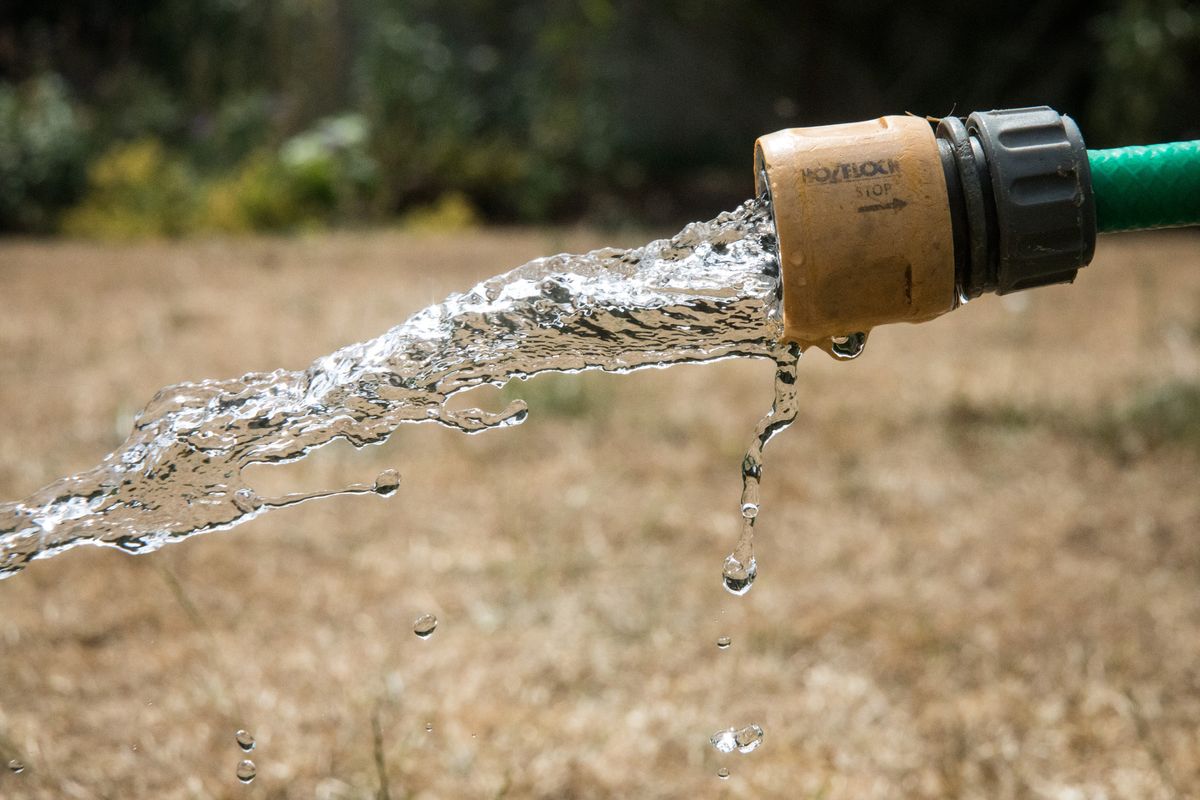
Hosepipe bans help to save water during droughts (Image: Getty Images)
It comes as today marks World Water Day. Slessor said although the notion of water scarcity in rainy Scotland, famous for its lochs, might seem “absurd”, the threat is “very real”.
A typical person in Scotland uses around 180 litres of water per day – compared to around 100 litres a day in Denmark.
He added: “When you turn on your tap or flush your toilet, it might seem like the supply of water is endless. Without real change, though, Scotland faces a bleak future.
“By thinking differently about this resource and how we pay for it we can ensure our nation doesn’t experience repeated droughts and the grim consequences of this.”
Slessor, who is also CEO of specialist water treatment firm RSE, based in Muir of Ord in the Highlands, said innovations like water recycling and water-saving taps would help in the fight.
It comes as Edinburgh City Council last week announced plans for a temporary pause on new AI data centres over fears around the environmental impact.
Join the Daily Record WhatsApp community!
Get the latest news sent straight to your messages by joining our WhatsApp community today.
You’ll receive daily updates on breaking news as well as the top headlines across Scotland.
No one will be able to see who is signed up and no one can send messages except the Daily Record team.
All you have to do is click here, select ‘Join Community’ and you’re in!
We also treat our community members to special offers, promotions, and adverts from us and our partners. If you don’t like our community, you can check out any time you like.
To leave our community click on the name at the top of your screen and choose ‘exit group’.
If you’re curious, you can read our Privacy Notice.