
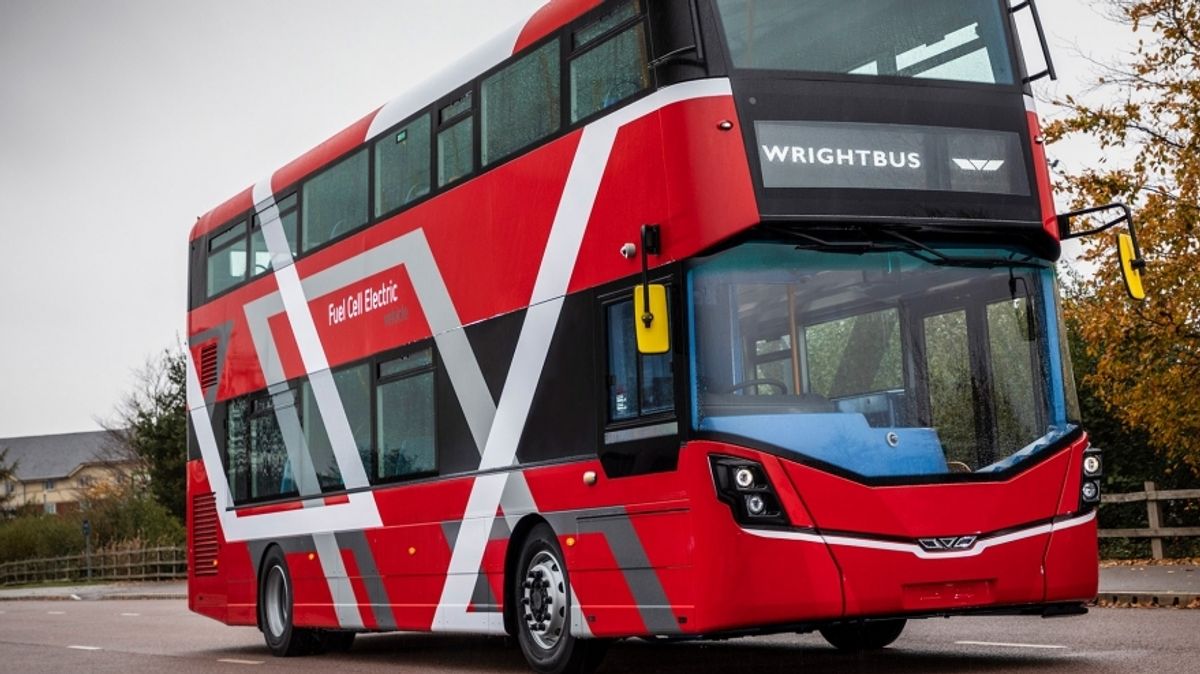
It follows the collapse of a hydrogen bus deal in Aberdeen, led by Tory donor Jo Bamford, son of JCB billionaire Lord Bamford.
04:30, 22 Mar 2026Updated 08:34, 22 Mar 2026
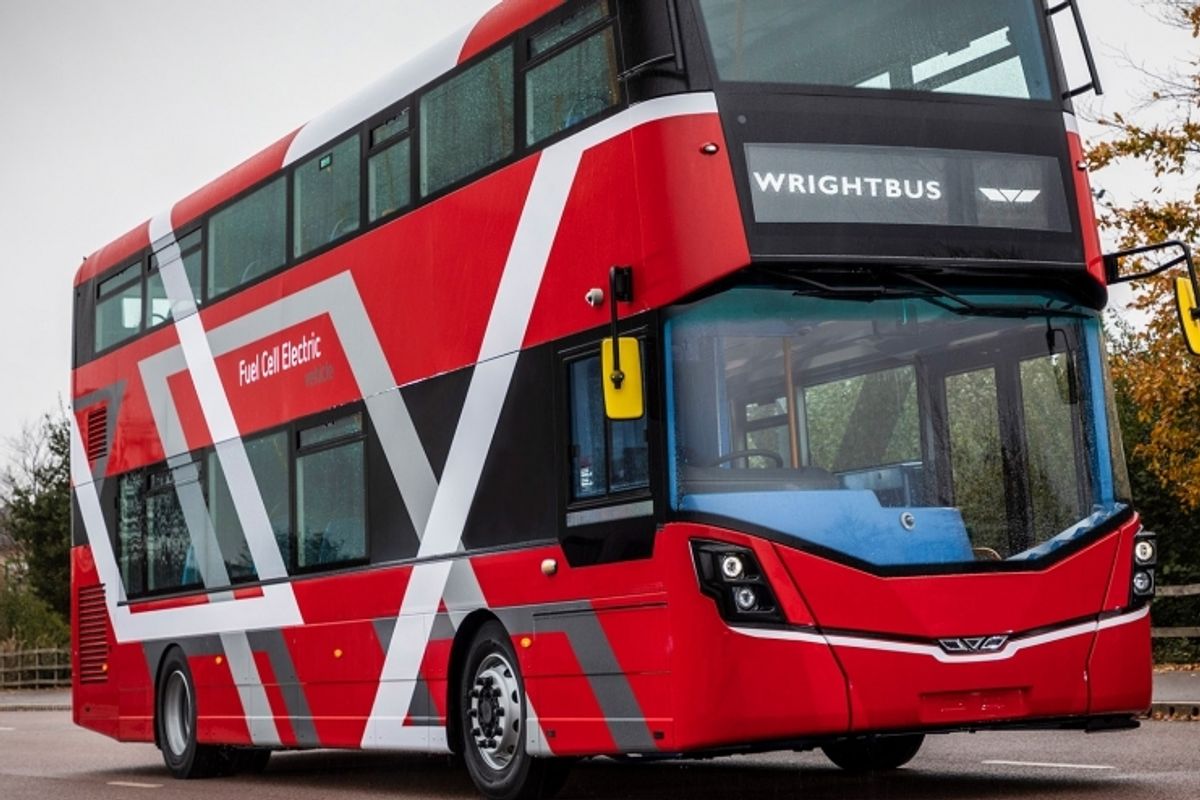
A Wrightbus hydrogen double-decker(Image: Collect)
Scots taxpayers face a bill of over £54million for “failing” schemes for hydrogen-powered buses and homes, experts have warned. It follows the collapse of a deal for hydrogen buses in Aberdeen last month, led by Tory donor Jo Bamford, son of JCB billionaire Lord Bamford.
The scheme for 25 buses, which received multi-million pound investments from the UK and Scots governments, was ditched in favour of cheaper electric vehicles. It follows a similar project in Dundee being scrapped in 2022.
Meanwhile, a two-year trial for hydrogen boilers in homes in Methil, led by SGN and dubbed H100 Fife, has cost taxpayers £25million despite fears it is doomed to failure. Experts say intense lobbying by fossil fuel interests have led successive governments to throw public money after hydrogen schemes.
Professor Tom Baxter, of Strathclyde University, said: “The power of vested interest lobbying has seduced policymakers into wrongly thinking of hydrogen as a natural route to net zero.
“One of my big frustrations has been the gullibility of politicians. In Aberdeen, although I’ve been a really big critic, I think they did it with the best of intentions.
“They were hearing all about how they’d be using the same skills learned in the North Sea industries. It’s a sector that has many similarities to natural gas.”

Hydrogen expert Prof Tom Baxter(Image: UGC)
He added: “Before the public purse is used for this stuff, there should be proper independent due diligence done on it. Is this value for money? Has it got a credible outcome that could benefit UK or Scottish taxpayers. That seems to have been missing.”
SNP ministers previously announced plans to invest £100million in hydrogen schemes as part of its plans to tackle the climate crisis. The Scottish Government confirmed in 2020 it had earmarked £40million for hydrogen buses, other heavy vehicles and refuelling.
Between 2022 and 2025, it spent a further £7.3million on Aberdeen’s scheme, while it splashed £6.9million on the H100 hydrogen homes project. UK energy regulator Ofgem has spent a further £18million on H100.
Last year, Energy Secretary Ed Miliband pledged a further £500million to create the UK’s “first regional hydrogen transport and storage network”. Professor Baxter said the total cost of hydrogen projects could already run into the “billions” for UK taxpayers.
In 2022, we told how Bamford’s Wrightbus was behind the world’s first double-decker powered by the gas, with the firm winning multi-million pound publicly funded contracts to supply vehicles across the UK.

Jo Bamford. (Image: Liam McBurney/PA)
In the years since, cities with hydrogen bus fleets like London, Belfast, Birmingham and Liverpool have faced operational difficulties or dropped the schemes.
A Glasgow scheme for hydrogen-powered bin trucks was also abandoned. Professor David Cebon, of the University of Cambridge, said: “Hydrogen bus projects have been failing around the world for five years. Ten years ago, it was clear hydrogen buses were a bad idea.
“The basic numbers around hydrogen buses tell you that. These hydrogen buses are at least double the cost of electric buses in capital cost, and they’re at least three times the cost of electric buses to run.
“These projects tend to run on gray hydrogen – produced via natural gas – meaning their carbon emissions are worse than if they were running on diesel. They’re incredibly expensive and propped up by taxpayers.”
On using hydrogen to heat homes, he added: “That’s even worse, from an energy point of view. It takes six times more energy to heat a home using hydrogen than it does with a heat pump. Hydrogen makes zero sense for heating homes.”
Professor Baxter said hydrogen homes had “never been viable” because the gas is more expensive than natural gas and electricity.
He said: “Who is advising the Scottish Government the H100 trial is a good use of the public purse when there’s a barrage of evidence saying hydrogen use in residential property will put people into fuel poverty?”
“It’s just a wrong-headed idea.” The Bamford family has given £10million in cash and gifts to the Tories since 2001. When he was prime minister, Boris Johnson used a Bamford-registered helicopter on a flight to Wolverhampton from London.
Ex-Tory transport minister George Freeman was forced to apologise and hand back money paid to him by Ryze Hydrogen, another Bamford-owned firm, for “strategic advice” in 2020. Ryze Hydrogen is facilitating a £45million hydrogen distribution hub planned for Lanarkshire which has been beset by delays for six years.
Get more Daily Record exclusives by signing up for free to Google’s preferred sources. Click HERE
The wider hydrogen strategy in Aberdeen was a partnership between the city council and oil giant BP.
Professor Cebon said: “Bamford is certainly very influential in the hydrogen lobby. Governments should make their decisions based on objective information and scientific evidence, not on lobbying from the likes of Bamford or the gas networks.”
Typically, the fuel source used to create hydrogen is natural gas, although emerging technologies to produce the gas through renewable electricity – known as “green hydrogen” – are developing.
Campaigners have long been wary of the hydrogen lobby as being too close to oil and gas interests.
Scottish Greens energy spokesman Patrick Harvie said: “The focus on hydrogen for heating homes has been costly, ineffective and unnecessary. The government should stop listening to the gas companies who just want something else to put into their networks.”
Scott Sanford, head of technical services at the Scottish and Northern Ireland Plumbing Employers’ Federation, said: “While it could prove vital in larger settings such as heavy industry where electrification isn’t possible, evidence continues to show hydrogen is not viable in domestic homes.
“At the smaller scale, hydrogen is neither cost-effective nor efficient and other options, such as heat pumps and heat networks will have a greater impact on domestic decarbonisation.”
Join the Daily Record WhatsApp community!
Get the latest news sent straight to your messages by joining our WhatsApp community today.
You’ll receive daily updates on breaking news as well as the top headlines across Scotland.
No one will be able to see who is signed up and no one can send messages except the Daily Record team.
All you have to do is click here, select ‘Join Community’ and you’re in!
We also treat our community members to special offers, promotions, and adverts from us and our partners. If you don’t like our community, you can check out any time you like.
To leave our community click on the name at the top of your screen and choose ‘exit group’.
If you’re curious, you can read our Privacy Notice.