
(Credits: Far Out / Alamy)
Sun 22 March 2026 11:49, UK
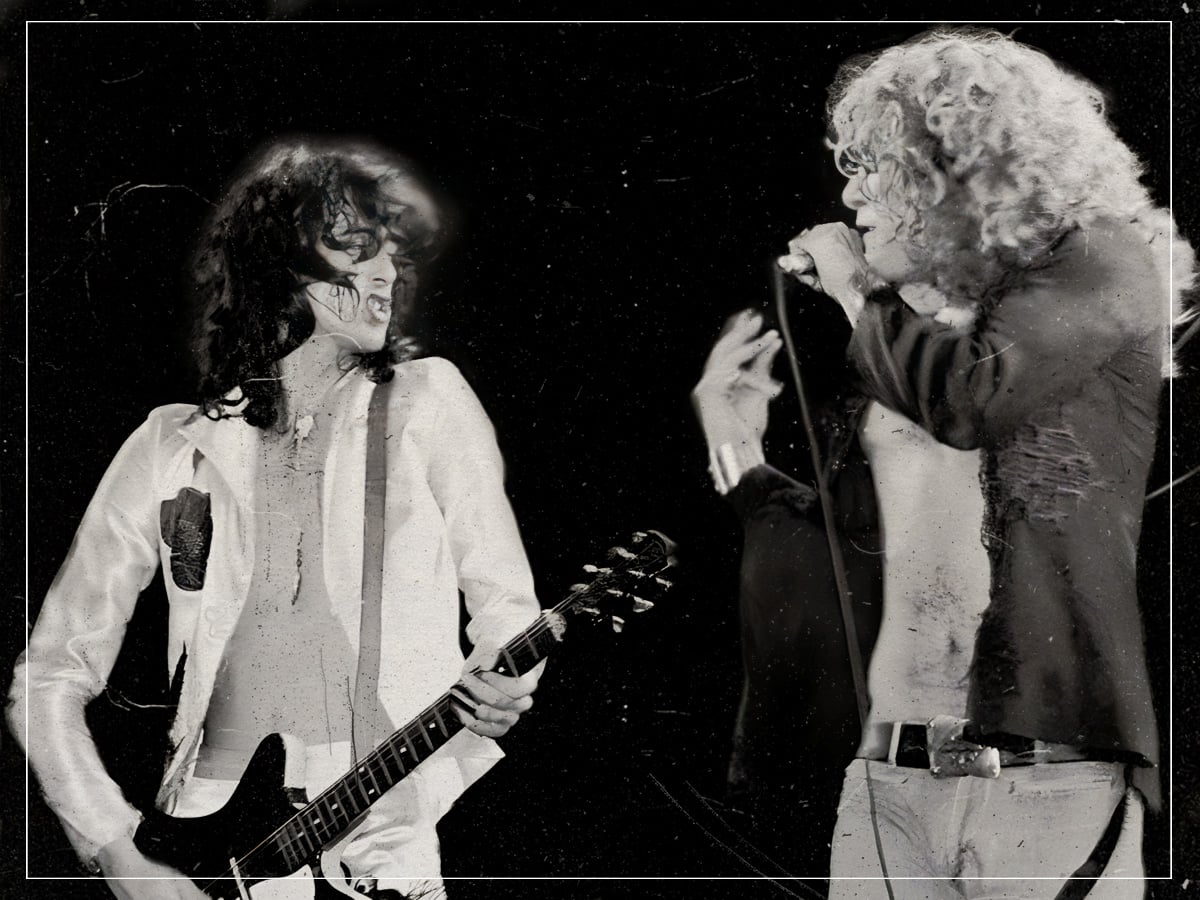
Musicians have to go through their fair share of mistakes to become legendary. For all of the great players who seem to pick up on their craft in minutes, there will always be a few who spend years with their instrument before becoming one of the greatest in the business. While Jimmy Page had put in his fair share of hours even before Led Zeppelin started, he remembered one guitarist who never made any mistakes during his session with him.
Before Page had formed a band, he was already a session veteran before reaching his late 20s. Picking up a guitar and learning the basics of lead guitar playing, Page’s licks would be sprinkled throughout many classics from the 1960s before getting the call to join The Yardbirds.
Page wasn’t even the only session musician to become a musical legend. Around the same time he was getting started putting his first licks together, John Paul Jones was also putting together various string arrangements for studio sessions and playing bass on whatever song required a bit of low end.
Even though a session band was expected from various up-and-coming bands around that time, The Beatles had started to make a collective group more of an expectation rather than an exception. If the Fab Four began showing the possibilities of what a rock band could be, The Rolling Stones gave the world a snide answer to the pop-flavoured version of rock.
Headed by Mick Jagger and Keith Richards, the band transformed from a typical blues cover band to one of the most in-demand artists in the world, with the pair writing one hit after another after being inspired by John Lennon and Paul McCartney. Although the band had a lead guitarist in tow with Brian Jones, Page would find himself behind the glass when the group recorded in the 1970s.
 (Credits: Far Out / Alamy)
With Jones starting to stray from the outfit and Mick Taylor looming on the horizon, Page would have jam sessions with Richards in between sessions for the first handful of Zeppelin albums. Although Page had come across his fair share of musical perfectionists in the studio, he was shocked at how well Richards held his own compared to his former colleagues.
While not given proper musical training, Richards was known as one of the ultimate innovators of the instrument at the time. Being the first to tune his guitar to the signature open-G tuning, Keef would eventually turn in a treasure trove of amazing licks, including ‘Can’t You Hear Me Knocking’ and ‘Start Me Up’.
Page was initially floored by what he heard during the jam session, recalling, “The thing I remember the most is that Keith was solid and driving, and he didn’t make mistakes. I realised just what a powerful force he is behind those Rolling Stones records. There was no doubt about it. Of course, I could take it all apart and highlight everybody’s vital contribution, but Keith was really driving it”.
Despite what you may have read, The Rolling Stones weren’t built on the foundation of sex and drugs but rather pure rock ‘n’ roll; everything else was secondary. The triumvirate just formed that way by virtue of inevitability. As a band, they were hell-bent on liberation, smashing the stilted shackles of conservatism that they had grown up with, none more so than the high seas Captain Richards.
Old or young, Richards is likely to have soundtracked at least one of your more memorable nights with his uncanny ability to pick out and perform some of the classic rock world’s greatest riffs of all time. The kind of riffs that make you want to give it all up for the hum of the generator and the blur of the disco lights, throw away your full-time job and start gigging around the clock and the country. This inspiration is a legacy he’d be most proud of, and then promptly explain how you don’t come close to competing.
While many lead guitarists have gone by the wayside during The Stones’ career, Richards always provided the anchor, which seemed to impact how Page thought about the instrumentation when making alternate tunings for Zeppelin songs. Even though many guitarists might want to learn to shred to get everything started, Richards is the ultimate example of becoming a virtuoso by learning rhythm first.
ADD AS A PREFERRED SOURCE ON GOOGLE  The Far Out Led Zeppelin Newsletter
All the latest stories about Led Zeppelin from the independent voice of culture.
Straight to your inbox.